

Nostalgic Japanese hit songs from the 1970s: the golden age of idols and kayōkyoku (Japanese pop songs)

What songs come to mind when you think of Japanese hit songs from the 1970s?
Those who lived through that era in real time probably recall a wide range of hits.
With the spread of color television, people began to enjoy music from a visual perspective as well.
The 1970s are often called the golden age of kayōkyoku and idols.
Even generations who weren’t yet born will find many familiar, approachable songs that make you think, “Hey, I’ve heard this before!”
Please enjoy these captivating hit songs from the 1970s!
- Classic and hit songs by nostalgic Japanese idols from the 1970s
- A collection of nostalgic hit songs and classics from the 70s
- [1970s] Collection of Japanese hit songs. Nostalgic masterpieces of Japan
- Debut song of a 1970s idol
- Popular Showa-era pop. Timeless hit songs.
- [Showa Kayō] A roundup of Japanese love songs that hit in the 1970s
- [Recommended for people in their 70s] Classic nostalgic hits: A collection of youth songs
- Great enka masterpieces and hit songs of the 1970s
- Heart-touching, tear-jerking masterpieces from the Showa era
- Evokes the charm of the good old days. Showa-era inspirational songs that are still loved today.
- Memorable Youth Songs: Looking Back on New Music Masterpieces from the 1970s–80s
- [2026 Edition] Songs Loved by People in Their 60s: Classic Hits from Their Youth
- [Winter Songs] Classic Showa-era masterpieces. Popular songs you’ll want to listen to in winter.
Nostalgic Japanese Hit Songs of the 1970s: The Golden Age of Idols and Kayōkyoku (21–30)
younger boykyandīzu

Released in 1975, it’s a pop love song, just as the title says, about a “younger boy.” Thanks to this song, Candies made their first appearance on NHK’s Kōhaku Uta Gassen and also entered the Oricon Top 10 for the first time.
The choreography is cute.
applausechiaki naomi

In the 1973 annual singles ranking, Naomi Chiaki ranked fourth.
The song, which has the feel of a mature woman’s blues, became one of her signature pieces.
It sold 620,000 copies, making it the top-selling single by a female singer.
applausechiaki naomi
Released in 1972, this is one of the classic nostalgic hits.
It is one of Chiaki’s signature songs and won the Grand Prize at the Japan Record Awards.
The song portrays a woman who has lost her lover, depicting her resolve to stand on stage and sing even as she nearly loses hope.
The song is based on Chiaki’s real experience of losing someone she dearly loved.
Because of its content, it came to be called a “private novel” kayō (confessional pop) song.

The Scent of CyclamenFuse Akira
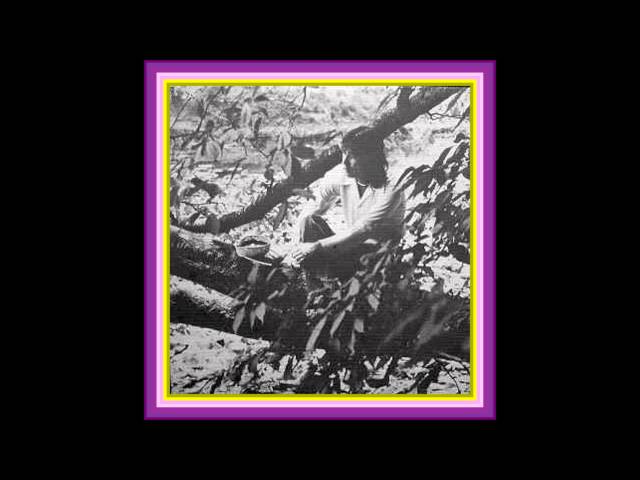
Released in 1975, this song swept the major titles at year-end music shows and awards that year.
The sight of the singer performing while playing the guitar, combined with his sweet voice, captivated listeners and made it a massive hit.
Interestingly, at the time, cyclamen flowers did not come in light purple, but the success of this song inspired the later development of light purple cyclamen and fragrant cyclamen.
That’s how beloved this song was by so many people.

Thank you for everything.Inoue Jun

A 1971 hit song.
Following “Yesterday, Today and Tomorrow,” it was another hit for Jun Inoue after The Spiders disbanded and he went solo.
With lyrics by Rofu Yamagami and music by Kyohei Tsutsumi, the song—enhanced by Inoue’s warm personality—fills you with a cozy, friendly feeling just by listening.
Yokohama TwilightItsuki Hiroshi

This was Itsuki’s re-debut single, released in 1971.
It’s one of his signature songs, which won awards at the Japan Record Awards and the Kayo Awards.
Amazingly, Hiroshi Itsuki is his fourth stage name.
This was the first song he released as “Itsuki,” and he says he has a deep attachment to it.
It’s a city-themed song about Yokohama and is loved alongside Ayumi Ishida’s similarly city-themed “Blue Light Yokohama.” Itsuki’s trademark singing style began with this song.
Thousand KnivesSakamoto Ryuichi

This is the title track from Ryuichi Sakamoto’s debut album, released in 1978.
An instrumental piece, it was produced using the cutting-edge technology of the time.
Employing synthesizers and computers, it’s an ambitious work that created a new “Ryuichi sound.” It’s packed with diverse musical elements, from pieces that emulate sounds of nature to tracks influenced by reggae.
A key track that marks the early stages of Sakamoto’s musical exploration, it was later self-covered by YMO.
It’s a highly experimental piece that anyone seeking to explore the possibilities of music should definitely hear.