

Nostalgic Japanese hit songs from the 1970s: the golden age of idols and kayōkyoku (Japanese pop songs)

What songs come to mind when you think of Japanese hit songs from the 1970s?
Those who lived through that era in real time probably recall a wide range of hits.
With the spread of color television, people began to enjoy music from a visual perspective as well.
The 1970s are often called the golden age of kayōkyoku and idols.
Even generations who weren’t yet born will find many familiar, approachable songs that make you think, “Hey, I’ve heard this before!”
Please enjoy these captivating hit songs from the 1970s!
- Classic and hit songs by nostalgic Japanese idols from the 1970s
- A collection of nostalgic hit songs and classics from the 70s
- [1970s] Collection of Japanese hit songs. Nostalgic masterpieces of Japan
- Debut song of a 1970s idol
- Popular Showa-era pop. Timeless hit songs.
- [Showa Kayō] A roundup of Japanese love songs that hit in the 1970s
- [Recommended for people in their 70s] Classic nostalgic hits: A collection of youth songs
- Great enka masterpieces and hit songs of the 1970s
- Heart-touching, tear-jerking masterpieces from the Showa era
- Evokes the charm of the good old days. Showa-era inspirational songs that are still loved today.
- Memorable Youth Songs: Looking Back on New Music Masterpieces from the 1970s–80s
- [2026 Edition] Songs Loved by People in Their 60s: Classic Hits from Their Youth
- [Winter Songs] Classic Showa-era masterpieces. Popular songs you’ll want to listen to in winter.
Nostalgic Japanese hit songs from the 1970s: The golden age of idols and kayōkyoku (1–10)
Cotton HandkerchiefŌta Hiromi

1975.
An immortal masterpiece by the golden duo of lyrics by Takashi Matsumoto and composition by Kyohei Tsutsumi.
Hiromi Ota’s dignified singing is also wonderful, and it can be said that she, too, gained an eternal radiance through this song.
It’s sung so vividly that a love story unfolds before your eyes, and no matter how many times you listen, it steals your heart.
A life full of scarsTsuruta Koji
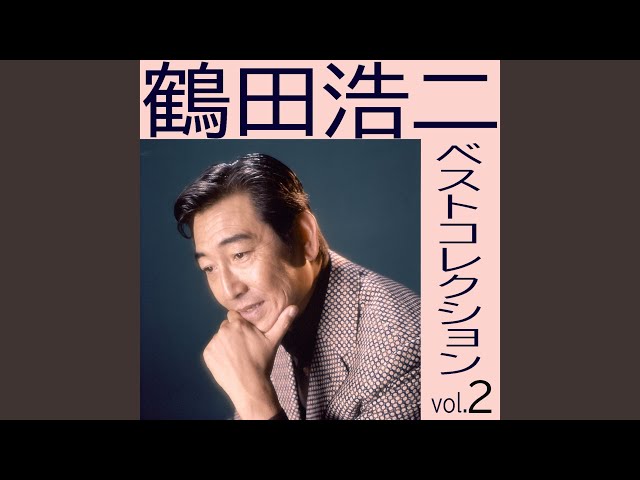
Released in 1970.
This was actor Koji Tsuruta’s blockbuster single, selling close to one million copies.
It opens with a spoken monologue reminiscent of a scene from a yakuza film.
The melancholic sound and his deep, rugged vocals blend perfectly, evoking a masculine sense of sorrow and aesthetics.
The year after its release, two films based on the song—“A Life Full of Scars” and “A Life Full of Scars: I’m an Old-Fashioned Man”—were released, both starring Tsuruta himself.
The lyrics were written by Masato Fujita, known for “Life Is a Naniwabushi” and “Mother on the Quay,” and the music was composed by Tadashi Yoshida, known for “Let’s Meet in Yurakucho” and “Always Dream.”
My good friendKamayatsu Hiroshi

1975.
It’s a lovable classic that could be called a ‘bankara’ folk song, with lyrics and music by Takuro Yoshida.
Hiroshi Kamayatsu’s freewheeling versatility—having roamed effortlessly through rockabilly, Group Sounds, and rock—was made even more striking by this song.
Nostalgic Japanese pop hits of the 1970s: The golden age of idols and kayōkyoku (11–20)
Naomi’s DreamHedoba to Dabide

Released as a single in 1971, it was a massive hit that topped the Oricon chart for four weeks and sold 670,000 copies.
The Israeli singers Hedva and David performed “Naomi’s Dream” in Hebrew at the Tokyo International Popular Song Festival and won the Grand Prix.
Following their victory, a Japanese-language version was hastily recorded and released.
Naomi is a common female name in Israel and elsewhere.
Shunichi Makaino, who handled the arrangement, is one of Japan’s leading arrangers and has worked on many songs, including “Naomi’s Dream,” “Hinageshi no Hana,” and “Tentōmushi no Samba.”
I’m appearing under my former name.Kobayashi Akira

This is a single by Akira Kobayashi released in 1975.
It became a hit in 1977, two years after its release, and went on to be a long seller with total sales of over two million copies.
The lyrics were written by Tetsurō Hoshino, who also worked on songs such as “Kyōdai Jingi,” “Sanbyaku Rokujūgo-ho no March,” and “Kiiroi Sakuranbo.” The story depicts a hostess—known by various professional names—longing for her beloved to return.
The composer is Gen Dai Kano, a master of enka melodies who has written for artists such as Jirō Kanmuri, Kaori Kozai, and Mitsuko Nakamura.
It’s a work by the same duo behind “Jidōsha Show Uta.”
Kanda Riverkaguya hime

This song, released by Kaguyahime in 1973, was played on a radio show where member Kōsetsu Minami was the DJ at the time, and it caused such a huge response that it was released as a single.
It became Kaguyahime’s biggest hit, and 19 years after the record’s release, in 1992, Kōsetsu Minami made his first solo appearance at the 43rd NHK Kōhaku Uta Gassen, where he performed this song.
Woman’s BluesFuji Keiko

“Onna no Blues” is Keiko Fuji’s second single, released in 1970.
It was her first song to reach number one on the Oricon charts.
With total sales of 1.1 million copies, it became a million seller.
Despite being only 18 at the time of release, she delivers a fully formed vocal performance, her voice steeped in passion and melancholy, sensuously portraying a woman’s karmic fate.
The lyrics were written by Masao Ishizaka, and the music composed by Kosho Inomata.
Keiko Fuji was the mother of Hikaru Utada, and she died by jumping to her death in 2013 at the age of 62.