

Nostalgic Japanese hit songs from the 1970s: the golden age of idols and kayōkyoku (Japanese pop songs)

What songs come to mind when you think of Japanese hit songs from the 1970s?
Those who lived through that era in real time probably recall a wide range of hits.
With the spread of color television, people began to enjoy music from a visual perspective as well.
The 1970s are often called the golden age of kayōkyoku and idols.
Even generations who weren’t yet born will find many familiar, approachable songs that make you think, “Hey, I’ve heard this before!”
Please enjoy these captivating hit songs from the 1970s!
- Classic and hit songs by nostalgic Japanese idols from the 1970s
- A collection of nostalgic hit songs and classics from the 70s
- [1970s] Collection of Japanese hit songs. Nostalgic masterpieces of Japan
- Debut song of a 1970s idol
- Popular Showa-era pop. Timeless hit songs.
- [Showa Kayō] A roundup of Japanese love songs that hit in the 1970s
- [Recommended for people in their 70s] Classic nostalgic hits: A collection of youth songs
- Great enka masterpieces and hit songs of the 1970s
- Heart-touching, tear-jerking masterpieces from the Showa era
- [Winter Songs] Classic Showa-era masterpieces. Popular songs you’ll want to listen to in winter.
- Evokes the charm of the good old days. Showa-era inspirational songs that are still loved today.
- Memorable Youth Songs: Looking Back on New Music Masterpieces from the 1970s–80s
- [2026 Edition] Songs Loved by People in Their 60s: Classic Hits from Their Youth
Nostalgic Japanese hits from the 1970s: The golden age of idols and kayōkyoku (1971–80)
Wantedpinku redii

1977 can be described as a year when Pink Lady made a huge splash.
With this song, they placed third on the year-end singles chart, meaning they claimed both first and third.
As female idols, they achieved an unprecedented record.
It remains a classic that today’s idol fans should listen to.
Song of the Old Man from KawachiMisu Hanako
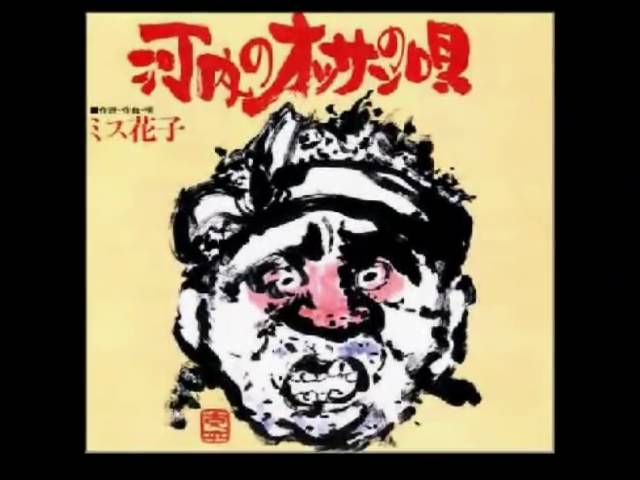
A song that leaves a strong impression with its Kawachi dialect.
While it carries a slightly rough edge, it also conveys a certain warmth—it’s a truly wonderful piece.
Miss Hanako’s distinctive vocals further enhance the charm of the work.
Released as a single by Nippon Columbia in August 1976, it became a hit, selling over 800,000 copies, and remains beloved by many to this day.
From the fall to the end of 1976, Toei produced and released a film inspired by the song.
It’s perfect for livening up a karaoke session or when you want to experience Kansai culture.
It’s said that Downtown’s Masatoshi Hamada is a fan, too.
Song of Departure – In Search of Lost Time –Kamijō Tsunehiko & Rokumonsen
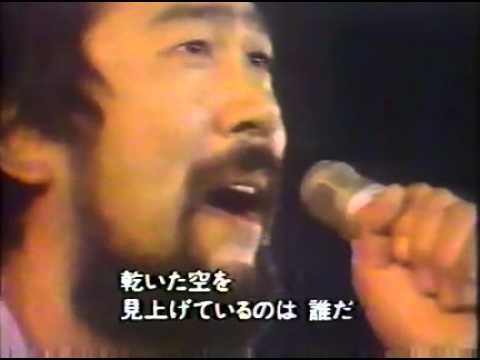
A hit song from 1971.
It won the Grand Prix at the 2nd World Popular Song Festival hosted by the Yamaha Music Foundation, and became a major hit, with Tsunehiko Kamijō’s passionate performance leaving a strong impression.
Above all, the excellence of the music—lyrics by Kohei Oikawa, composition by Kazuhiko Komuro, and arrangement by Takasuke Kida—left the most enduring impact.
You Are the One Who Rings That BellWada Akiko

This is Akiko Wada’s 11th single, a classic that continues to be sung to this day.
Her powerful vocals resonate deeply.
In 1991, it was re-recorded as a New Version, arranged by Kazuo Otani, after being selected for use in a commercial song.
Farewell, my loverSakai Masaaki

A hit song from 1971.
It was Masakazu Sakai’s first hit after going solo following the breakup of The Spiders.
The song, with lyrics by Osamu Kitayama and music by Kyohei Tsutsumi, was also captivating.
Although he later shifted his focus to acting and hosting, the appeal of Masakazu Sakai as a singer in this song remains unforgettable.
You’re not alone.tenchi mari

This was Tenchi’s third single, released in 1972.
The chorus is extremely famous, and it’s her biggest hit song.
Tenchi was one of the first of what we would now call idol singers; many say she laid the groundwork for the genre.
While this song falls under the idol kayō (idol pop) category, you wouldn’t necessarily realize it because the vocalist’s skill is so high.
It expresses the happiness of a woman in the midst of a romantic relationship.

A Woman’s WishMiya Shirō to Pinkara Torio

1973 turned out to be an extraordinary year.
The top spot on the year-end singles chart was the same as the previous year: “Onna no Michi” by Shiro Miya and the Pinkara Trio.
What’s more, second place was also taken by Shiro Miya and the Pinkara Trio with “Onna no Negai,” making it a one-two finish.
Considering this along with the previous year, the number of records they sold is truly incredible.
I hate demons.Hirata Takao to Serusutāzu

Released in 1971, it sold over one million copies.
The lyrics and composition were handled by band member Takao Hirata.
Just from the title, you can’t guess what the song is about.
The protagonist is hopelessly in love with someone—so deeply that it’s painful and they can’t sleep at night.
However, that person loves someone else.
The protagonist likens their rival to a devil.
Love in KyotoNAGISA YŪKO

A hit song from 1970.
It served as a forerunner of the Ventures’ kayōkyoku (Japanese popular song) releases tailored to the Japanese market by The Ventures, who enjoy enduring popularity in Japan.
The Ventures’ blend of American and Japanese styles creates a uniquely exotic allure, further enhanced by Kyoto, the setting of the song.
The Pattern of LifeTakada Wataru

A song released in 1973 by the legendary folk singer Wataru Takada.
Based on a poem by Baku Yamanokuchi, this number poetically conveys the harshness of life and the coldness of society from the perspective of someone forced into a wandering existence.
It delicately depicts the image of lying between the night sky and the earth, sleeping while buried in grass.
It’s a track that showcases Takada’s talent as a “troubadour,” shining a light on society’s darker corners and giving voice to those who suffer.
A timeless classic that continues to influence many people across generations.