

Nostalgic Japanese hit songs from the 1970s: the golden age of idols and kayōkyoku (Japanese pop songs)

What songs come to mind when you think of Japanese hit songs from the 1970s?
Those who lived through that era in real time probably recall a wide range of hits.
With the spread of color television, people began to enjoy music from a visual perspective as well.
The 1970s are often called the golden age of kayōkyoku and idols.
Even generations who weren’t yet born will find many familiar, approachable songs that make you think, “Hey, I’ve heard this before!”
Please enjoy these captivating hit songs from the 1970s!
- Classic and hit songs by nostalgic Japanese idols from the 1970s
- A collection of nostalgic hit songs and classics from the 70s
- [1970s] Collection of Japanese hit songs. Nostalgic masterpieces of Japan
- Debut song of a 1970s idol
- Popular Showa-era pop. Timeless hit songs.
- [Showa Kayō] A roundup of Japanese love songs that hit in the 1970s
- [Recommended for people in their 70s] Classic nostalgic hits: A collection of youth songs
- Great enka masterpieces and hit songs of the 1970s
- Heart-touching, tear-jerking masterpieces from the Showa era
- [Winter Songs] Classic Showa-era masterpieces. Popular songs you’ll want to listen to in winter.
- Evokes the charm of the good old days. Showa-era inspirational songs that are still loved today.
- Memorable Youth Songs: Looking Back on New Music Masterpieces from the 1970s–80s
- [2026 Edition] Songs Loved by People in Their 60s: Classic Hits from Their Youth
Nostalgic Japanese hit songs of the 1970s: The golden age of idols and kayōkyoku (51–60)
Swim! Taiyaki-kunShimon Masato

The year 1976 was when an overwhelmingly monumental single that would go down in the records of Japan’s music scene was released.
It was “Oyoge! Taiyaki-kun,” which recorded higher record sales than any hit by Utada, AKB, Southern All Stars, or Fukuyama.
Black Boat SongHasegawa Kiyoshi

With lyrics and music by Jun Sakurai for Akiyuki Nosaka, the Nosaka version is captivating, but Kiyoshi Hasegawa’s rendition—along with his guitar playing—raises the musical polish to a higher level, resulting in a more nuanced interpretation.
It’s an enchanting song that, once heard, lingers in the heart.
So alluring it makes you faintChar

His signature song ‘Kizetsu Suru Hodo Nayamashii’ is well known, but what truly stands out is his guitar technique, honed from a young age as a studio musician.
He has also covered many Western artists such as Cream and The Rolling Stones, so be sure to give his work a listen.
Withered Susuki Grass of the Shōwa Erasakura to ichirō

The enka song “Showa Karesusuki” became a major hit in 1975, marking the milestone of Showa 50.
It sold 990,000 copies and proudly took the number-one spot on the annual singles chart.
It’s a classic from the Showa era that I hope even those unfamiliar with it will listen to.
Good-bye, My LoveAn Ruisu
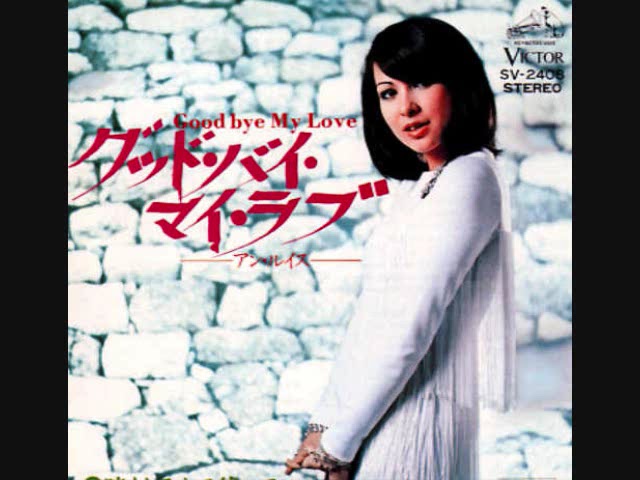
A hit song from 1974.
The slightly gaudy, foreign-sounding quality of the Japanese sung by this half-Japanese singer feels very pleasant, and the moment you hear it, there’s something that makes your heart flutter.
Around this time, her looks also conveyed a mix of cuteness and an American sense of freedom, which drew me to her in that way as well.
Sinbad on the Shorepinku redii

The number one spot in the 1977 annual rankings went to Pink Lady.
They were such a massive hit and so popular that practically everyone knew this idol duo.
Given how strong my impression of them is, I was surprised to learn that sales were 940,000 copies and didn’t actually surpass one million.
My Favorite TeacherRC sakuseshon

Released in 1972, this was RC Succession’s first hit single.
At the time they were a three-piece folk group, and it was hard to imagine their later success as a rock band, but even then, you can sense the budding spirit of the RC to come in their soulful singing.
TechnopolisYellow Magic Orchestra

It’s a signature song by YMO, pioneers of Japanese technopop.
As it was structured after studying the body of work by Pink Lady, an idol group that was hugely popular at the time, it’s extremely pop.
At the same time, their masterful use of then-cutting-edge technology—such as prominent analog synthesizers and a vocoder—is nothing short of remarkable.
Parting at 22kaze

A story woven with a voice that touches the heart.
It’s a heartrending breakup song depicting five years of a couple’s love.
Released in 1975 as Kaze’s debut single, it became a major hit, topping the Oricon chart for four consecutive weeks.
It’s said that Shozo Ise crafted the song through an all-nighter with meticulous precision.
The complex emotions of a woman who has decided to end the relationship are expressed through delicate lyrics and melody.
As a timeless classic that never fades, it continues to be loved by many even today.
If you want to feel the bittersweetness of love and the pain of parting, give it a listen—it’s sure to resonate with your heart.
Salvia flowermotomaro

Motomaro, a folk group, covered a famous song by the solitary rock singer Yoshio Hayakawa, turning it into a hit.
Thanks to the success of this cover, the song became widely known.
When Hayakawa sings it, it’s a rock ballad brimming with passion, but in this cover, the lyricism that conveys a girl’s feelings stands out.