

[Heisei Retro] Hit Japanese songs that defined the 1990s. Recommended J-POP classics.

When you think of the Japanese music scene of the ’90s, what kind of sounds come to mind? It was an era when million-selling hits kept emerging and CD sales marked a golden age for the music industry.
Hit songs poured from TV and radio into the streets, and everyone was humming the same tunes.
From guitar rock to dance music, from the Shibuya-kei movement to the Being-kei style, a wide variety of genres coexisted, each shining with its own unique brilliance in the ’90s.
In this article, we’ll introduce a selection of hit songs that colored that rich musical scene.
For those who lived through the era, they’ll feel nostalgic; for first-time listeners, they’ll sound fresh.
Please take your time and enjoy.
- Classic and hit songs by nostalgic Japanese bands from the 1990s
- Iconic ballads of 90s J-pop: nostalgic mega-hits and fan favorites
- Hits that resonate across generations! Popular 1990s songs on TikTok
- Classic and hit J-pop songs from the nostalgic ’90s
- Ranking of Popular Songs by Japanese Male Singers from the 1990s [2026]
- [Hit Songs of 1999] A roundup of timeless tracks that dominated the charts!
- A collection of nostalgic hits from the Heisei era: Let’s look back at iconic songs from the 1990s and 2000s.
- 1990s J-Pop to listen to in summer: classic and hit summer songs
- Anime songs that were hits in the 1990s. Recommended masterpieces and popular tracks.
- Tear-jerking J-pop from the ’90s. Hit songs and real tearjerkers.
- [Hit Songs of 1996] Spotlight on the iconic tracks and popular tunes that colored the Heisei era!
- Hit Japanese songs that represent 1997. Recommended masterpieces.
- [90s Music] Shibuya-kei Classics: Recommended Popular Songs
[Heisei Retro] Hit Japanese songs representing the ’90s: Recommended J-Pop classics (181–190)
White ChristmasJUN SKY WALKER(S)

A poignant love song that represents the winter season.
Known as one of JUN SKY WALKER(S)’s signature tracks, it was released in November 1989.
Chosen for a Matsushita (Panasonic) CD radio-cassette commercial, it reached No.
1 on the Oricon chart.
The song conveys the feelings of thinking about someone far away under a cold, sunny sky, and a longing for promises that never end.
Vivid Christmas scenes are painted—the red and gold decorations adorning the city, a fir tree that looks heavy—while the lyrics leave a strong impression with their sense of human connection and the passage of time.
It’s sure to resonate with anyone who has spent a lonely Christmas without their lover.
[Heisei Retro] Hit Japanese songs representing the 1990s. Recommended J‑Pop classics (191–200)
Summer Days of 1993class

In July 1993, a song that shocked the Japanese music scene was born.
Crafted by the duo class, it became a massive hit, selling over 1.7 million copies.
With its refreshing melody and poignant lyrics, it beautifully captures the bittersweetness of summer love.
The song proved so popular that it has been covered by many artists, leaving a lasting mark on Japanese music history.
Class released multiple albums including this track, exerting a major influence on the pop scene of the 1990s.
It’s the perfect song for reminiscing about summer memories or indulging in nostalgia.
It will surely awaken the sweet and bittersweet memories of your youth.
Breath of DawnChekkāzu

Composed by Seiji Tsuruku, this is the Checkers’ 22nd single.
Even Tsuruku has left behind some wonderful masterpieces.
“The Legend of Jim & Jane” and “Mrs.
Mermaid” were also composed by Tsuruku—despite his appearance, he creates truly great songs.
presentJITTERIN’JINN

This is one of the classic songs that colored the J-POP scene of the 1990s.
Released by JITTERIN’JINN in February 1990, it became a popular hit, reaching No.
3 on the Oricon chart.
The lyrics are memorable for portraying a bittersweet breakup story through the motif of gifts.
As it lists various presents, it expresses both feelings for a lover and the sorrow of parting.
It has also been used as a cheer song for player Susumu Aoyagi and was featured in a LINE Gift commercial in 2021, showing its lasting appeal.
It’s a recommended track for when you want to soothe the pain of heartbreak or reflect on your feelings for someone special.
We’ll meet again…KIX-S

KIX-S’s first single, released in July 1992, is a ballad that portrays a bittersweet love.
Its lyrics, which sing of longing for a lover far away, resonated with many listeners.
It was selected as the theme song for the Fuji TV drama “Kimi no Tame ni Dekiru Koto,” marking the first time a Being-label song was tied in with a Monday 9 p.m.
drama.
The single peaked at No.
4 on the Oricon charts and ranked 28th on the year-end chart for 1992.
Later, an acoustic version was included on the album “VIRGINITY,” and the song has continued to be cherished as one of KIX-S’s signature tracks.
It’s a perfect song for those who have experienced a breakup or who long to be reunited with someone special.
Poem of SunlightLe Couple
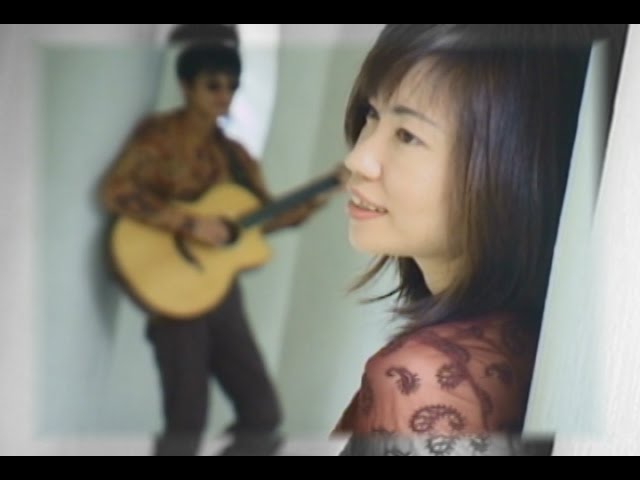
The number three spot on the 1997 singles chart was claimed by this husband-and-wife male-female duo.
Their gentle song stood apart from their previous hits, and its distinctive atmosphere must have been addictive.
It became a massive hit, selling over 1.4 million copies.
Can’t Say Anything… SummerTHE JAYWALK

A signature song by THE JAYWALK that portrays the end of a bittersweet love and the close of summer.
Released in July 1991, it sold approximately 980,000 copies.
Koichi Nakamura’s distinctive vocals—reminiscent of George Yanagi—and the heartfelt lyrics have captivated many listeners.
The song delicately depicts the protagonist’s feelings at the moment of parting with a loved one, when they find themselves at a loss for words, and it reminds us of the precious things we only realize after losing them.
Celebrated for years as a classic, it’s a track many wish to hear at summer’s end.