

Nostalgic yet fresh!? Classic masterpieces of Japanese rock from the 1970s and 1980s


I think it’s fair to say that up through the 1980s, Japan’s rock scene was, in a sense, the golden age of Japanese rock.
From the 1990s onward—after the Heisei-era “Ika-ten” band boom—rock became, for better or worse, a polished “product.” In contrast, up until the ’80s, it was truly an age of fierce rivalry, with uniquely individual rock bands and rock singers flourishing.
Here, I’ll introduce some “classic rock masterpieces” from the era before Japanese rock came to be labeled J-ROCK or J-POP.
For those who experienced that time in real time, I hope this brings back fond memories; for younger listeners who didn’t live through Showa in real time, I think you’ll find it fresh and exciting.
Please surrender yourself to the sounds of Japan’s good old rock and enjoy.
- A special feature on classic and hit songs by bands that were active in the 1980s
- [1970s] Classic and hit songs of Japanese rock that blazed through the dawn era
- Cool songs from the Showa era. Masterpieces from Showa that shine with sensuality, passion, and rugged charm.
- [1970s] Collection of Japanese hit songs. Nostalgic masterpieces of Japan
- Classic and hit Japanese pop songs from the nostalgic 80s
- [J-Rock] Timeless masterpieces that colored the 1990s. Nostalgic hit songs.
- Thrilling to Cool Showa-Era Tunes! Classic Songs from Female Singers and Artists of the Showa Period
- Legendary Japanese rock masterpieces and hit songs of the 1960s
- Popular Showa-era pop. Timeless hit songs.
- 1980s: Legendary Western Rock Bands’ Classic and Hit Songs
- [Revisited] A roundup of popular and classic Showa-era songs that are trending now [2026]
- Now’s the time to listen! Uplifting Showa-era songs that brightened Japan
- Revival hits driven by social media! Classic Showa-era songs popular with Gen Z
Nostalgic yet fresh!? Classic Japanese rock masterpieces from the 1970s and 80s (91–100)
Apple’s Tearsningen ishi

You can’t help but be drawn into the unique lyrical world, but above all, their instrumental technique is absolutely incredible! Their appearance is eccentric and might make you think they’re a bit of a novelty act, but the sound is the real deal.
The lyrics are literary.
One distinctive feature is the use of the Tsugaru dialect in the songs.
FriendsRebekka

This song features an uptempo dance-rock sound with heavy use of synthesizers and the captivating, transparent vocals of NOKKO.
Written based on bittersweet heartbreak experienced in adolescence, it boasts a distinctive, dynamic melody that makes it highly addictive.
Released as a single in 1985, it was used as the ending theme for the Nippon TV drama “Half Potato na Oretachi,” reaching No.
3 on the Oricon weekly chart.
In the late 1990s, a new remix version was produced as the theme song for the Fuji TV drama “Lipstick,” winning overwhelming support from a younger generation.
It’s perfect for nighttime drives or moments when you want to reminisce about youthful memories, and its positive message, which blows away feelings of heartache, is deeply moving.
Tsubpari High School Rock ’n’ Roll (Going-to-School Edition)Yokohama Ginbae
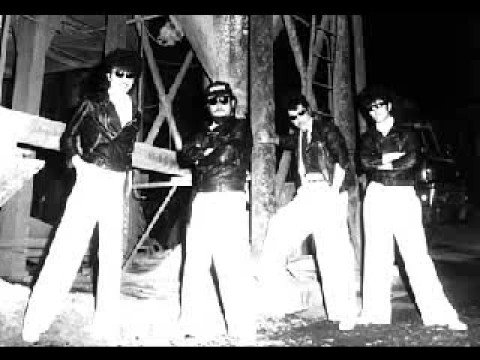
This is a single released in January 1981 that portrays the relationship between a headstrong high schooler and their parent with lively rock ’n’ roll.
The lyrics follow a 7-7-7-5 meter, creating a pleasing sense of rhythm and comically expressing the inner world of a rebellious youth.
While it vividly depicts the style and behavior of a delinquent, it’s also a nuanced work that reveals glimpses of care for the mother and a search for one’s own way of life.
It has remained beloved across generations, appearing in a 2008 commercial for Suntory’s canned chuhai “Calori.” and covered in a 2011 Asahi Soft Drinks “Jurokucha” ad featuring Yui Aragaki.
Today, it’s a trending track for posting dance videos on social media with simple, modern choreography.
Vixen on the RunBARBEE BOYS

This is a classic duet featuring male and female twin vocals that captures the allure of a bewitching, mysterious woman.
The urban tone of the soprano sax and the sophisticated arrangement leave a strong impression, lightly portraying the give-and-take between a man and a woman.
Released in April 1987 as BARBEE BOYS’ seventh single and used as the image song for Asahi Beverages’ Mitsuya Fruits, this track is highly recommended for those who want to feel the nuances of romance and the atmosphere of the city at night.
ONLY YOUBOØWY

A gem of a love song from BOØWY, released in April 1987 as their fifth single.
Taken from the album “BEAT EMOTION,” it became the band’s first track to break into the top five of the Oricon charts and is cherished by many fans as one of their signature songs.
It conveys a pure, heartrending confession of love and a powerful desire to protect the one you love, highlighted by the strong male vocals and sharp guitar sound.
It’s a love song that resonates with anyone who wants to spend precious time with someone they cherish—why not take a moment to listen closely once again?