

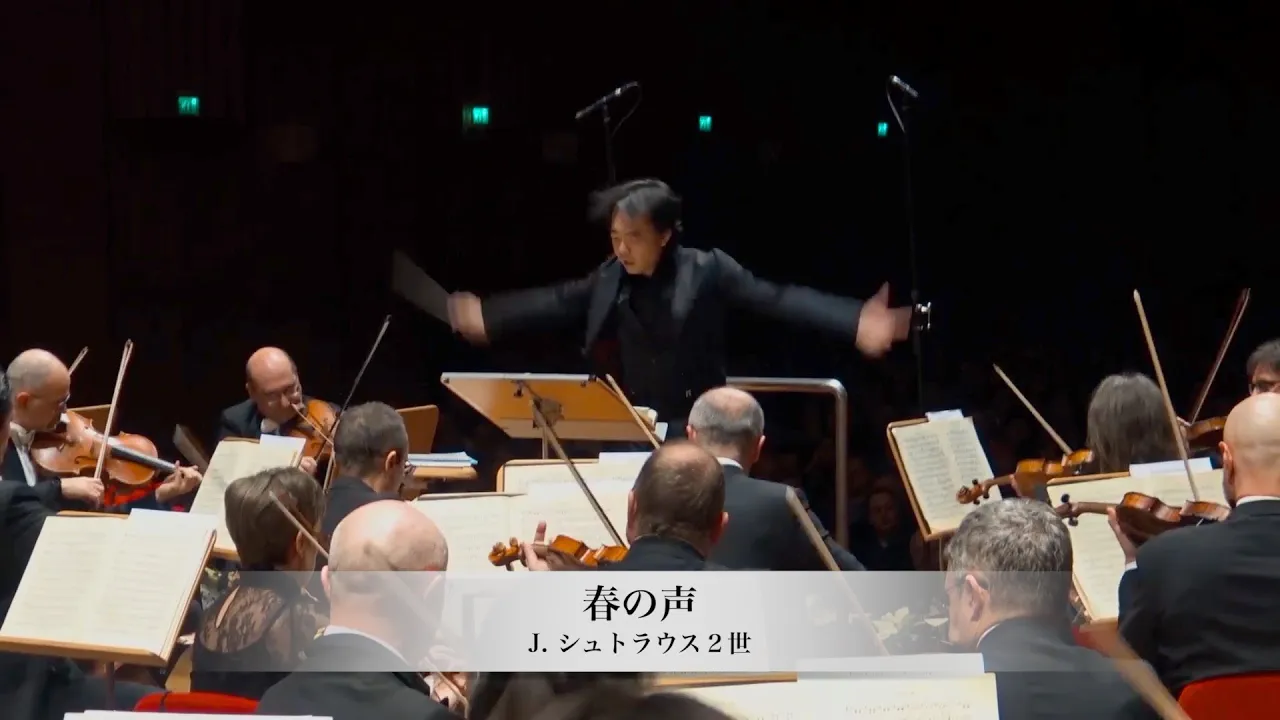

Johann Strauss II, a leading Romantic composer who was active in Vienna, Austria.
Focusing on dance music such as the Viennese waltz and the polka, a Czech folk dance, he was known as the “Waltz King” and the “Sun of Vienna.”
Moreover, having produced masterpieces in operetta as well, he was also called the “King of Operetta,” enjoying immense popularity not only in Austria but throughout Europe.
In this article, we introduce some of Strauss II’s famous and staple pieces.
Why not immerse yourself in his dazzling music?
- [Masterpiece Classics] A special showcase of gem-like masterpieces so beautiful they’ll move you to tears
- A masterpiece by Richard Strauss. Popular classical music.
- Cool classical masterpieces. Recommended classical music.
- [Orchestra] Introducing famous and popular pieces
- Timelessly beautiful classical masterpieces. Recommended classical music.
- Dvořák’s masterpiece. Popular classical music.
- Jean-Philippe Rameau Popular Songs Ranking [2026]
- A poignant classic masterpiece. Recommended classical music.
- Classical Masterpieces: Recommended Works You Should Hear at Least Once
- Elgar’s masterpiece. Popular classical music.
- Mozart: An Introduction to His Signature and Popular Works
- Today's Classics: Recommended classical music and great performances to listen to today
- Robert Schumann | Introduction to his famous and representative works
Johann Strauss II | Introducing Famous and Classic Pieces (1–10)
Voices of Spring, Op. 410NEW!Johann Strauss II
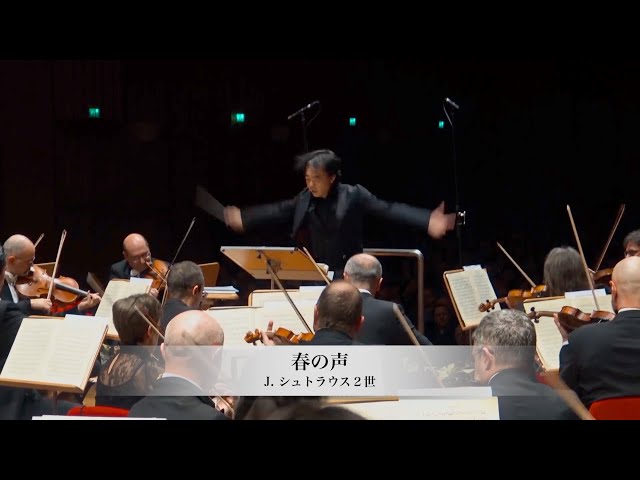
A light, elating masterpiece by Johann Strauss II! Premiered in March 1883, this work was originally written for soprano solo, and its brilliance is part of its charm.
Its flowing melodies reminiscent of birdsong combined with the pleasant lilt of triple meter brighten your mood just by listening.
It is still frequently performed today at events like New Year’s Concerts and continues to be loved around the world.
While it evokes the fresh atmosphere of spring’s arrival, its grand, festive development makes it a perfect BGM to energize a school sports day race or an entrance scene!
Annen-Polka, Op. 117NEW!Johann Strauss II
The Annen-Polka, an orchestral polka composed by Johann Strauss II.
The piece premiered in Vienna in July 1852 as a pre-celebration for St.
Anna’s Day and achieved great success.
Characterized by its light, bouncing rhythm and catchy melody, it combines elegance with approachability.
It was later beloved in various contexts, including being used as a song within his own operetta A Night in Venice.
It’s also a staple as background music for sports days, offering an elegant yet buoyant sense of excitement.
Play it for entry marches or warm-up scenes, and it’s sure to envelop the entire venue in a bright, welcoming atmosphere—highly recommended!
Perpetuum mobile, Op. 257NEW!Johann Strauss II

This is a charming miniature by Johann Strauss II, brimming with a sense of motion that seems on the verge of stopping yet never does.
Short rhythmic figures repeat with machine-like precision as instruments take turns in quick succession—pure, unending movement.
Premiered in Vienna in April 1861, this orchestral work remains a staple today, often heard at New Year’s concerts, and it was even featured alongside the short film “Birmingham to London in 5 minutes.” In its compact, roughly four-minute span, it packs both humor and irresistible drive.
It’s perfect as background music for events like sprints or relays that rush forward without a moment to breathe, sure to electrify the atmosphere of any venue.
The Blue Danube, Op. 314NEW!Johann Strauss II
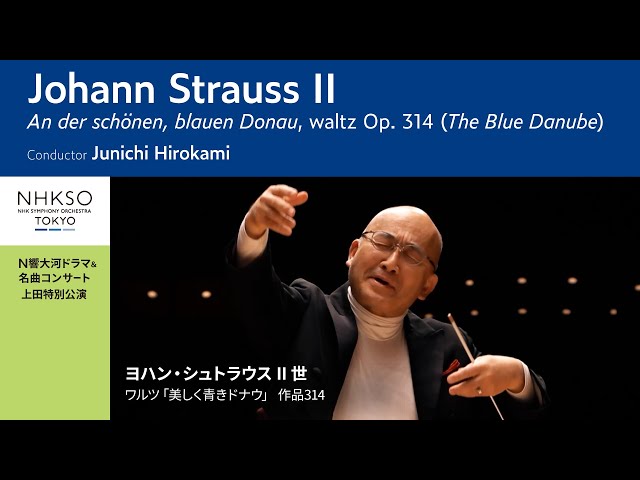
The Blue Danube by Johann Strauss II, synonymous with the Viennese waltz, is cherished as Austria’s unofficial national anthem and was premiered in February 1867 as a choral work written for the Vienna Men’s Choral Association.
Its graceful triple-meter sway and smooth melodies captivate listeners.
Famous, too, for its tie-in with visual media, it colored the space scenes in the film 2001: A Space Odyssey.
With a structure that unfolds from a quiet introduction into a brilliant display, it’s perfect for competitions resembling elegant dances or for large-scale mass performances by an entire student body.
The beautiful resonance of the orchestra will envelop a sports day venue with refinement and impart a special sense of exhilaration.
The Blue DanubeJohann Strauss II
Composed in 1867, this famous piece is known as a quintessential Viennese waltz.
It was originally written as a male chorus work, but was later arranged for orchestra, gaining even greater popularity.
The piece was intended to lift the spirits of the people of Vienna, who were disheartened by defeat in the Austro-Prussian War.
Its lyrics praise the beauty of the Danube River, the lives of the people, and prayers for a hopeful future, conveying Johann Strauss II’s desire to influence society through music.
With its graceful melody and profound meaning, this work is highly recommended for anyone interested in classical music.
batJohann Strauss II

Among Johann Strauss II’s Viennese operettas, this work is known as the “king of operettas.” In Vienna and other German-speaking countries, it is traditionally performed on New Year’s Eve at opera houses, often featuring star singers.
Perpetual MotionJohann Strauss II

Composed in 1861, Perpetuum Mobile is a piece that gives the impression of moving forever.
Also known as a “perpetual motion” work, it is characterized by a continuous stream of notes played at a steady tempo, employing virtuosity in a form that can, in principle, repeat infinitely.
Showcasing Johann Strauss II’s originality and sense of humor, this work remains fresh today and continues to be loved by many.
It is frequently performed at New Year’s Concerts and is highly recommended for those seeking light, delightful music.