

Trivia & fun facts about June

June brings lots of rain, and somehow it can dampen our mood, too.
Maybe many of you are wishing that the refreshing days of May would come back, or that the fun-filled summer would hurry up and arrive! In this article, we’ll introduce trivia and fun facts about June—the rainy season.
It’s packed with eye-opening tidbits that can flip a gloomy mood in an instant! Once you know the information we’re about to share, you might find June just a little more interesting and enjoyable.
Discover the unique charm of June—a month that holds its own against any other!
- Rainy season trivia roundup: fun facts you'll want to share with someone
- [For Kids] Trivia & Fun Facts Quiz About June
- Useful right away in daily life! Surprising trivia and handy tips
- [For Seniors] Trivia Quiz & Fun Facts for June
- Trivia about hydrangeas. A collection of fun facts related to ajisai (hydrangeas).
- Fun facts you’ll want to share! A roundup of October trivia and tidbits
- Recommended in March! A collection of surprising, little-known trivia that elementary school students will want to share
- Fun facts about the Moon. A rapid-fire quiz!
- Fun facts you’ll want to share! January trivia and tidbits special
- A collection of trivia and fun facts about August that will warm your heart
- Fun facts you’ll want to share! A special feature on November trivia and tidbits
- [Interesting] Compilation of Trivia Quiz Questions
- [For Seniors] Introducing trivia related to May!
Trivia & Fun Facts About June (1–10)
June bride originates from the Roman mythological goddess Juno.
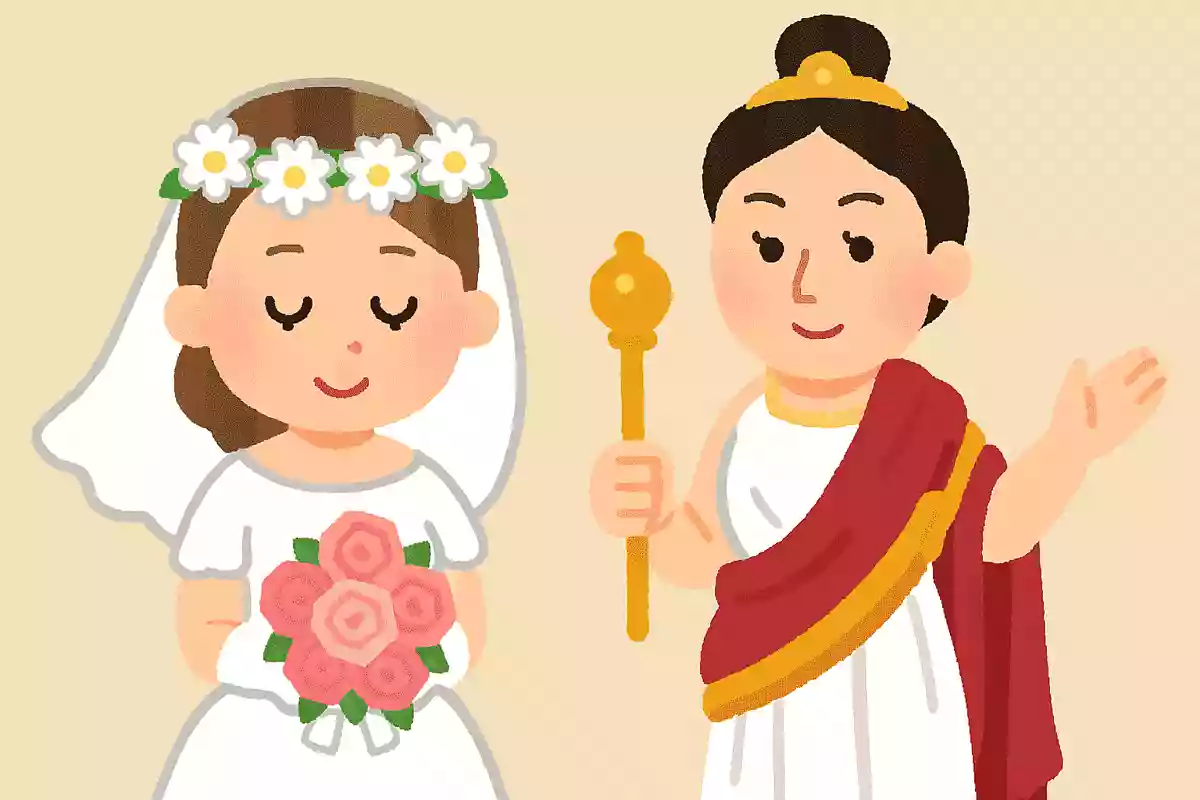
It is said that getting married in June will bring a happy life.
A wedding held in June is called a “June bride,” and the term is actually believed to originate from the Roman goddess Juno.
Juno is the goddess who presides over marriage and is the protector of the month of June in Roman mythology.
Her name is spelled “Juno” in the alphabet, and it is also the origin of the English word “June.” Although the June bride is a tradition passed down in Europe, many women in Japan also admire it.

Roses are what you give for Father’s Day.

It is said that the custom of giving roses on Father’s Day began when Sonora Smart Dodd, an American who petitioned her church in 1909 to establish Father’s Day, placed a white rose on her father’s grave.
In Japan, it’s common to give yellow roses on Father’s Day, but in the United States, red roses are given if the father is alive and white roses if he has passed away.
The flower meanings are: yellow roses symbolize “friendship,” red roses “love,” and white roses “deep respect,” among others.
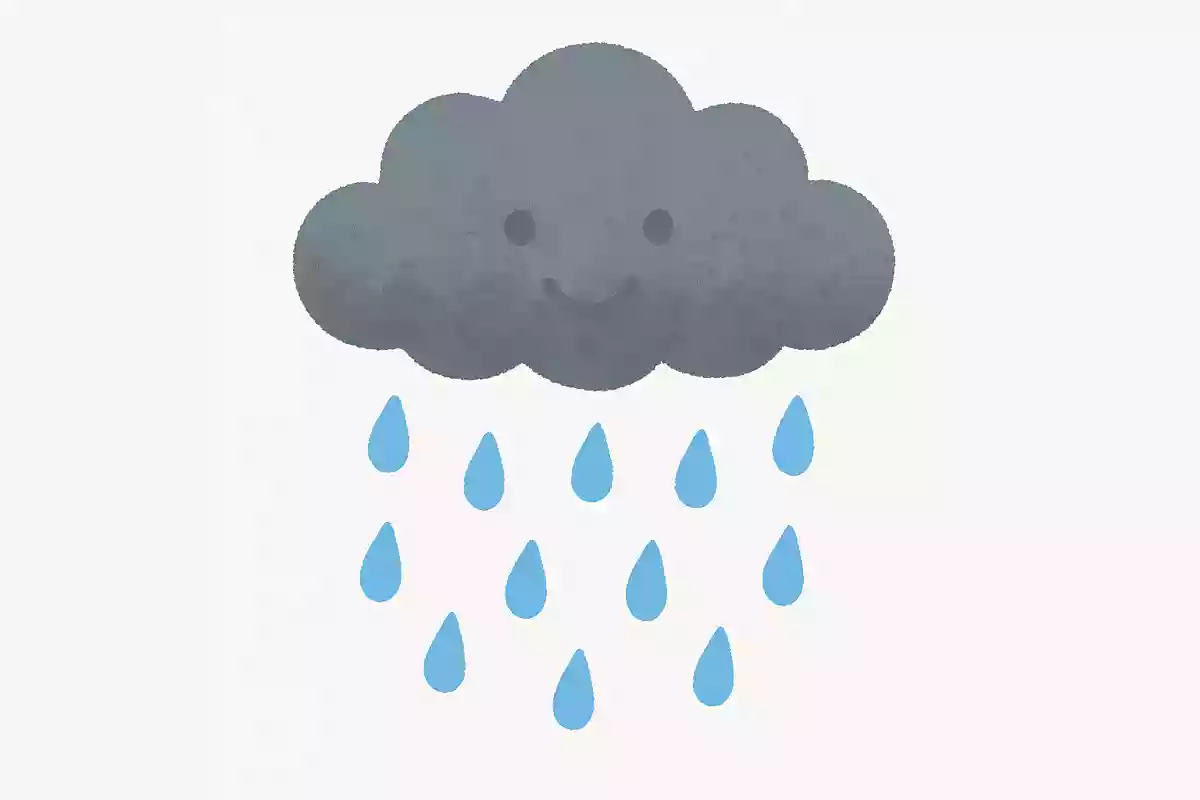
In weather forecasts overseas, rain is represented with a rain-cloud icon.
On important days like trips or entrance ceremonies, you probably check the weather forecast.
At those times, many of you have likely seen the “umbrella icon” that indicates rain.
It’s a standard symbol in Japan, but in fact, the umbrella icon is rarely used overseas.
So what icon is used instead? The “rain cloud icon.” The rain cloud icon combines a cloud with raindrops.
In Japan, it’s customary to carry an umbrella on rainy days, but there are countries where people don’t carry umbrellas even when it rains, so that might be related as well.
Trivia & Fun Facts about June (11–20)
Call the full moon in June the ‘Strawberry Moon’.
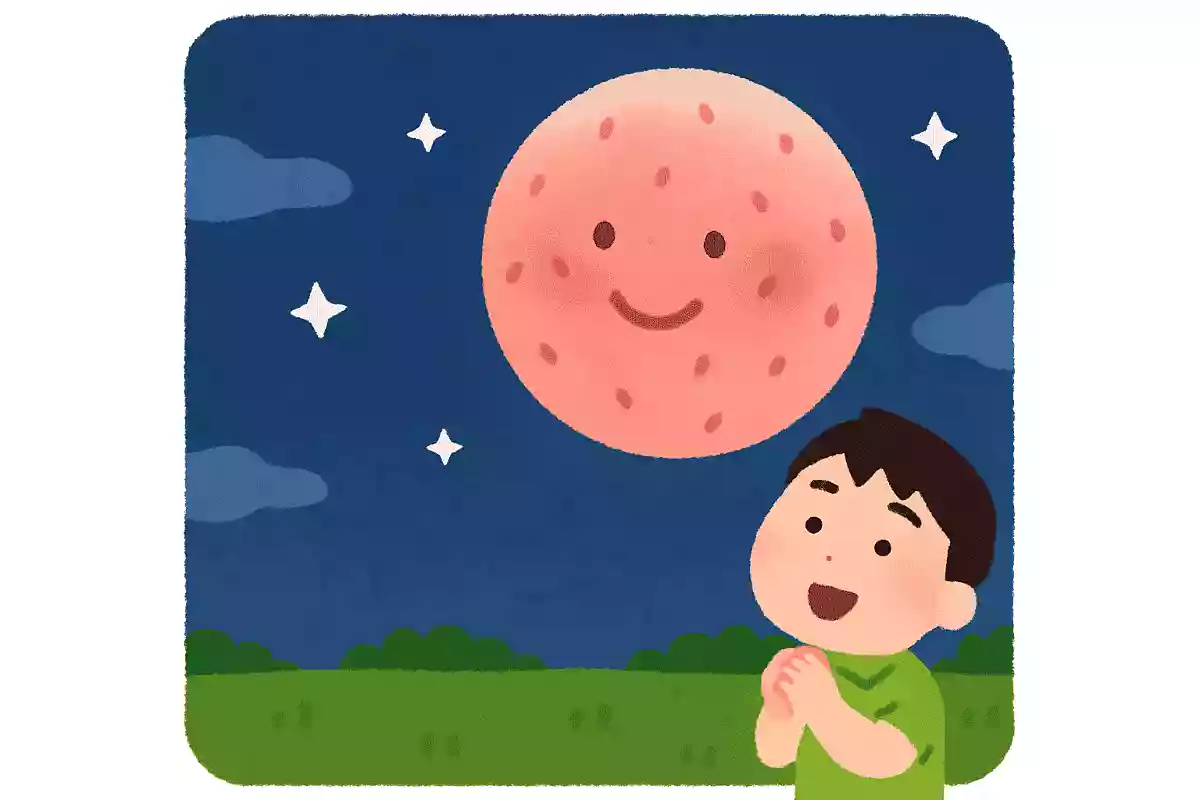
Every month’s full moon has a traditional nickname corresponding to that time of year.
These names are said to have been given by Native Americans to mark the seasons, and the full moon in June is called the “Strawberry Moon” because it coincides with the wild strawberry harvest.
It does not mean the moon looks red like a strawberry.
The exact time the full moon is visible varies by year and month, so if you want to see it, be sure to check when it will appear and observe it then.

If you hang a teru teru bozu upside down, it takes on the meaning of a rain prayer.
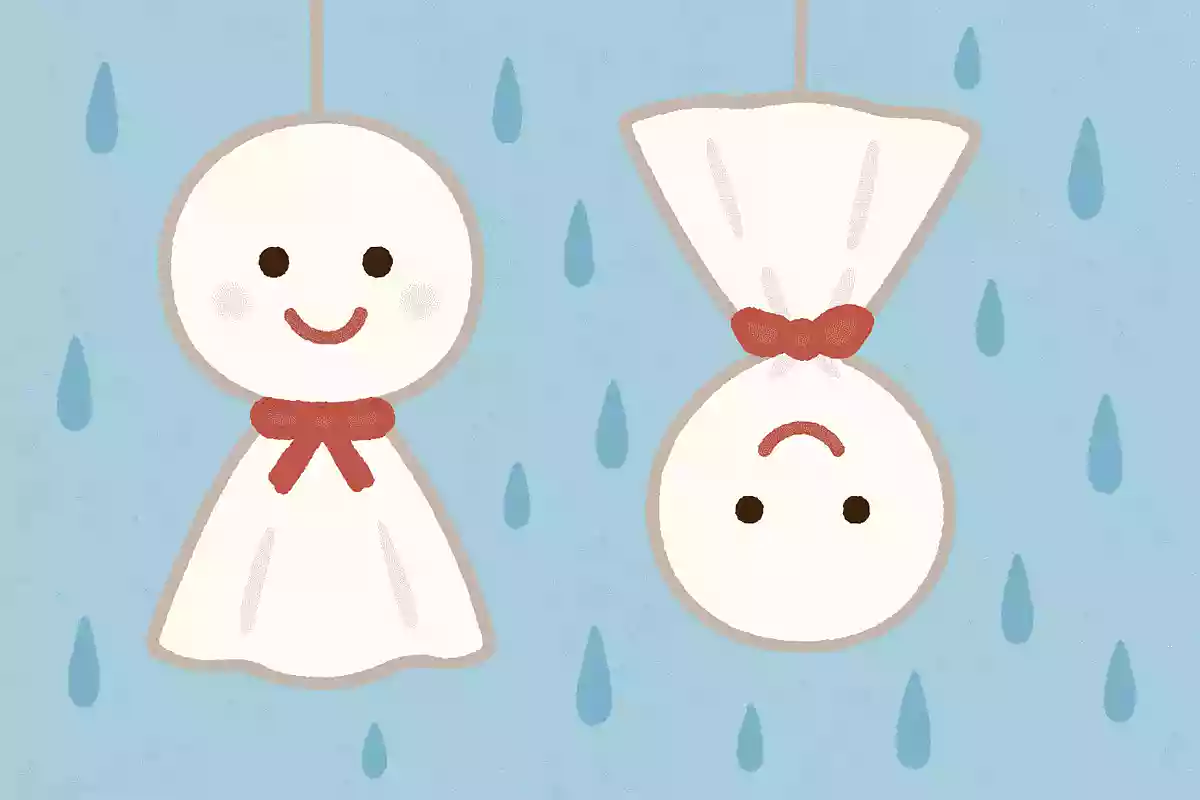
Teru teru bozu are decorations you hang when you don’t want it to rain, right? But if you hang a teru teru bozu upside down, the meaning flips and it becomes a rain-invoking charm! When turned upside down, it’s even called “ame-ame bozu” or “fure-fure bozu.” If there’s an event you’d really like to be canceled by rain, or you want rain for rice fields or crops, why not give it a try? By the way, making one out of black cloth is also said to invite rain.
When a cat washes its face, it will rain.
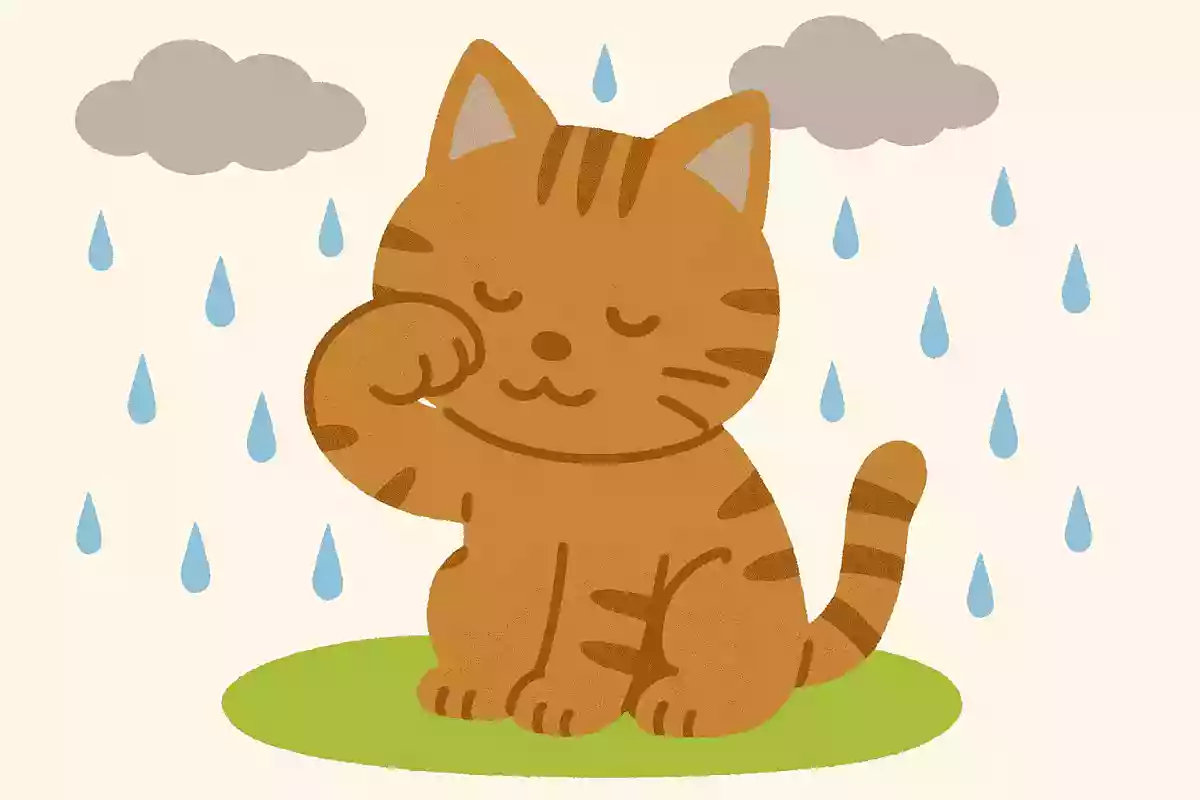
Whether you like cats or not, you’ve probably heard the saying “When a cat washes its face, it will rain.” It may sound like a simple folk belief, but it actually has a basis.
Before it rains, humidity rises, which makes the fleas on a cat’s body become more active.
Moisture also clings to a cat’s whiskers—its so‑called sensors—causing them to lose their stiffness.
In other words, when a cat rubs its face because the humidity makes it itchy, or grooms to restore the firmness of its whiskers, there’s a higher chance that rain is on the way.
Father’s Day was born out of Mother’s Day.

To pair with Mother’s Day, the third Sunday of June is designated as Father’s Day, but it seems less lively compared to Mother’s Day, doesn’t it? If you learn how Father’s Day came about and how it relates to Mother’s Day, you might find it more interesting.
There was a father who, after his wife passed away early, raised his children single-handedly.
It’s said that Father’s Day began in the United States with an episode in which someone petitioned a church out of a desire to honor that father in the same way as Mother’s Day.
Knowing that it wasn’t an afterthought to Mother’s Day but was born from gratitude toward the fathers who raised their children might help dads feel more at ease as Father’s Day approaches.
