

Trivia & fun facts about June

June brings lots of rain, and somehow it can dampen our mood, too.
Maybe many of you are wishing that the refreshing days of May would come back, or that the fun-filled summer would hurry up and arrive! In this article, we’ll introduce trivia and fun facts about June—the rainy season.
It’s packed with eye-opening tidbits that can flip a gloomy mood in an instant! Once you know the information we’re about to share, you might find June just a little more interesting and enjoyable.
Discover the unique charm of June—a month that holds its own against any other!
- Rainy season trivia roundup: fun facts you'll want to share with someone
- [For Kids] Trivia & Fun Facts Quiz About June
- Useful right away in daily life! Surprising trivia and handy tips
- [For Seniors] Trivia Quiz & Fun Facts for June
- Trivia about hydrangeas. A collection of fun facts related to ajisai (hydrangeas).
- Fun facts you’ll want to share! A roundup of October trivia and tidbits
- Recommended in March! A collection of surprising, little-known trivia that elementary school students will want to share
- Fun facts about the Moon. A rapid-fire quiz!
- Fun facts you’ll want to share! January trivia and tidbits special
- A collection of trivia and fun facts about August that will warm your heart
- Fun facts you’ll want to share! A special feature on November trivia and tidbits
- [Interesting] Compilation of Trivia Quiz Questions
- [For Seniors] Introducing trivia related to May!
Trivia & Fun Facts About June (21–30)
Sardines caught during the rainy season are called ‘tsuyu iwashi’ or ‘nyūbai iwashi.’
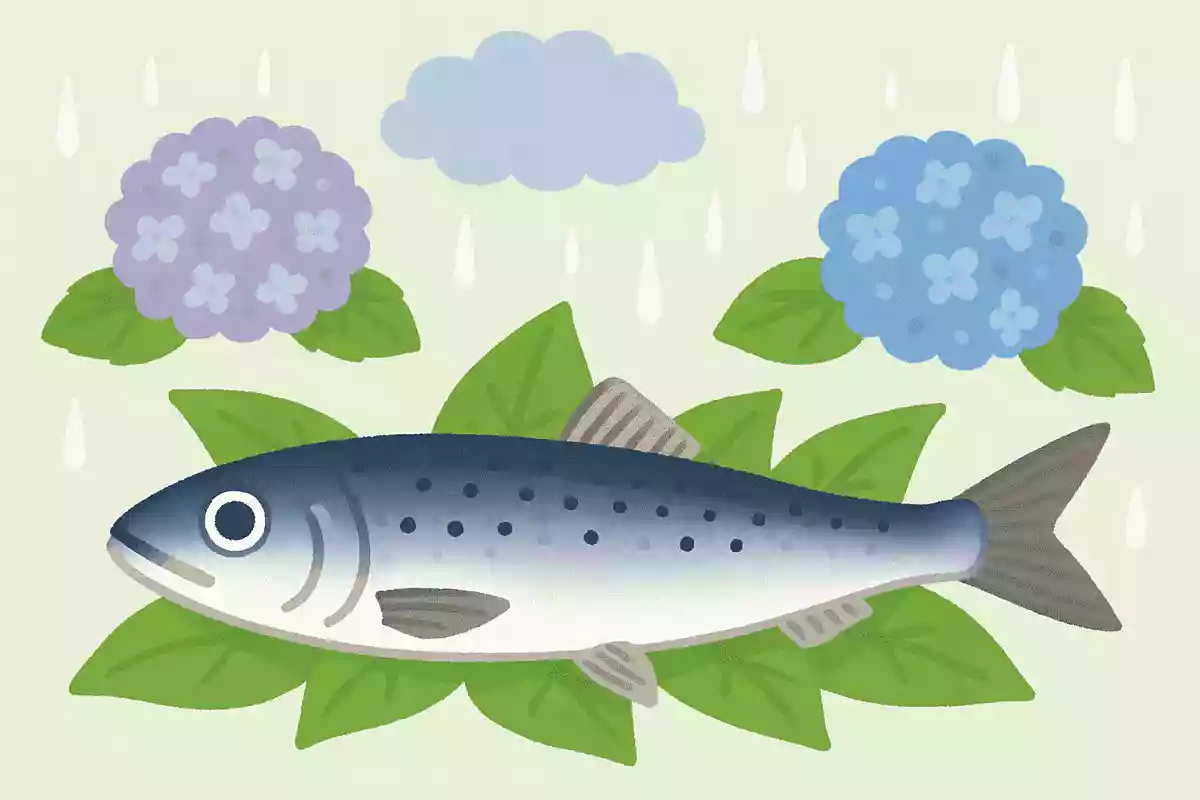
This is what Japanese pilchards (maiwashi) landed from June to July are called.
At this time of year, they’re full of fat before spawning and are said to be very tasty.
In Choshi, Chiba Prefecture—the area with the largest landings of pilchards—they’re known as “nyūbai iwashi” and recognized as a branded fish.
Sardines are also said to be “fish that drink the rains of the monsoon.” The name is said to come from the fact that they grow by feeding on nutrients carried into the sea by prolonged rains.
Pilchards in this season are delicious whether grilled or simmered, so if you spot them, why not give them a try?

Okinawa Prefecture has designated June 23 as “Irei no Hi” (Memorial Day).

Irei no Hi (Okinawa Memorial Day) is a day to mourn those who lost their lives in the Battle of Okinawa during the Pacific War and to pray for peace; in Okinawa Prefecture, memorial services and commemorative ceremonies are held.
Although the U.S.
military declared the end of operations in Okinawa on July 2, why, then, was June 23 designated as Irei no Hi? It is because the organized fighting is considered to have ended on this date due to the suicides of the Japanese military commander in charge of Okinawa’s defense and his subordinates.
There was initially a theory supporting the 22nd, and the date was first set as June 22, but it was revised to June 23 in 1965.
Trivia & fun facts about June (31–40)
The “janome” that appears in the children’s song Amefuri refers to an umbrella.

The children’s song “Amefuri” (Rainfall) depicts a mother coming to pick up her child on a rainy day.
Have you ever wondered what “janome” means when you hear this song? Since Western-style umbrellas are now the norm, many people might not immediately get it, but there is actually a type of traditional Japanese umbrella called a “janome-gasa,” literally “snake’s-eye umbrella.” In other words, the “janome” in the song is written as “蛇の目” (snake’s eye) and refers to this umbrella.
Janome-gasa are characterized by a pattern of white concentric circles that resemble a snake’s eye, which is how they got their name.
The colors of rainbows seen after the rain are perceived differently depending on the country.
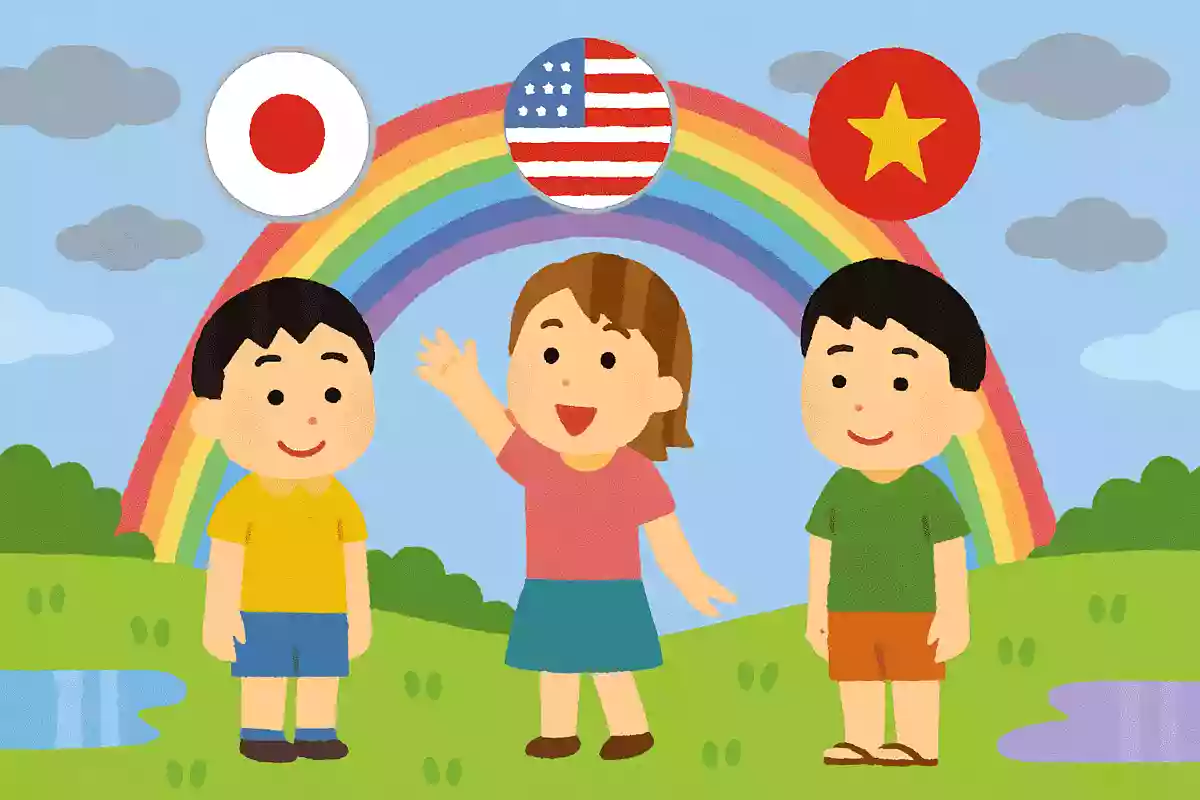
June is the rainy season, and you might catch a rainbow after the rain.
People even say there’s treasure beneath a rainbow.
Here’s a bit of trivia about rainbows.
In Japan, a rainbow is described as seven colors: red, orange, yellow, green, blue, indigo, and violet—but in other countries, it’s different.
It’s not so much that the rainbow truly has a different number of colors, but rather that people perceive and categorize colors differently.
Depending on the country, a rainbow may be described as having three, five, or eight colors.
For the Vai people, who group all warm colors as “red” and all cool colors as “black,” a rainbow is considered to have just two colors.
In conclusion
We shared trivia and fun facts about June—what did you think? There were probably plenty of interesting tidbits that made you say, “I had no idea!” Be sure to share the ones you found most intriguing with people around you, and let’s make the month of June enjoyable, too!