


June brings lots of rain, and somehow it can dampen our mood, too.
Maybe many of you are wishing that the refreshing days of May would come back, or that the fun-filled summer would hurry up and arrive! In this article, we’ll introduce trivia and fun facts about June—the rainy season.
It’s packed with eye-opening tidbits that can flip a gloomy mood in an instant! Once you know the information we’re about to share, you might find June just a little more interesting and enjoyable.
Discover the unique charm of June—a month that holds its own against any other!
- Rainy season trivia roundup: fun facts you'll want to share with someone
- [For Kids] Trivia & Fun Facts Quiz About June
- Useful right away in daily life! Surprising trivia and handy tips
- [For Seniors] Trivia Quiz & Fun Facts for June
- Trivia about hydrangeas. A collection of fun facts related to ajisai (hydrangeas).
- Fun facts you’ll want to share! A roundup of October trivia and tidbits
- Recommended in March! A collection of surprising, little-known trivia that elementary school students will want to share
- Fun facts about the Moon. A rapid-fire quiz!
- Fun facts you’ll want to share! January trivia and tidbits special
- A collection of trivia and fun facts about August that will warm your heart
- Fun facts you’ll want to share! A special feature on November trivia and tidbits
- [Interesting] Compilation of Trivia Quiz Questions
- [For Seniors] Introducing trivia related to May!
Trivia & Fun Facts About June (1–10)
When swallows fly low, it means rain is coming.
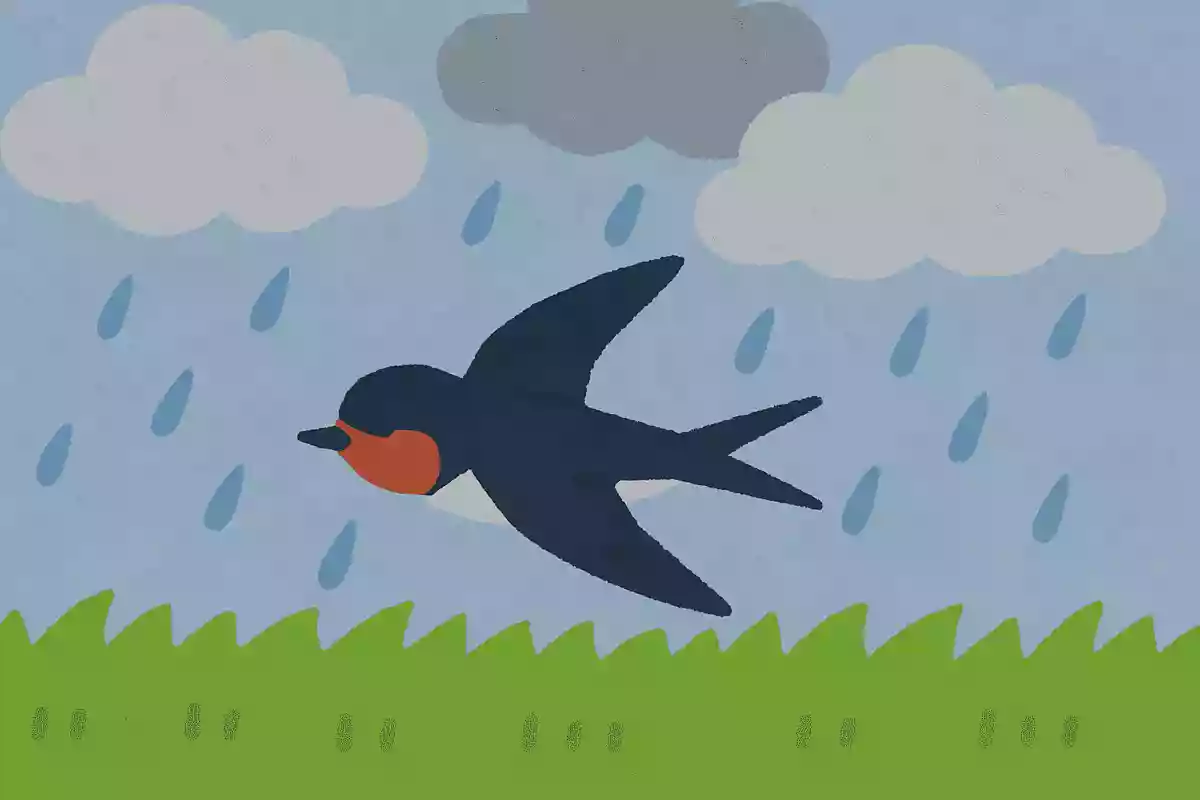
Swallows arrive from spring to around autumn.
During this season, you often see them building nests under the eaves of buildings and flying around in search of food.
When watching them, have you ever noticed that they sometimes fly unusually low? In fact, it’s said that when swallows are flying low, it’s a sign that rain is approaching.
As rain nears, the amount of water vapor increases, and the insects that swallows feed on become heavier due to the humidity.
Because these heavier insects can only fly low, swallows also fly low to chase after them.

The folding umbrella originated in Germany.

Umbrellas that come in handy on rainy days.
The history of umbrellas is long; they are said to have been used as far back as about 4,000 years ago.
There are many types, such as lightweight umbrellas and ones that open and close at the touch of a button.
Foldable umbrellas are convenient because you can tuck them away compactly when not in use.
Interestingly, their origin is actually overseas.
A German named Hans Haupt invented the folding umbrella.
On days when it looked like rain, Haupt would go out carrying a cane in one hand and a long umbrella in the other.
Wondering if it might be possible to make a small umbrella that could fit in a pocket, he devised a new structure for the umbrella.
He later obtained a patent for the folding umbrella.
Incidentally, March 16—the day he received the patent—has been designated Folding Umbrella Day.

Snails even eat concrete.
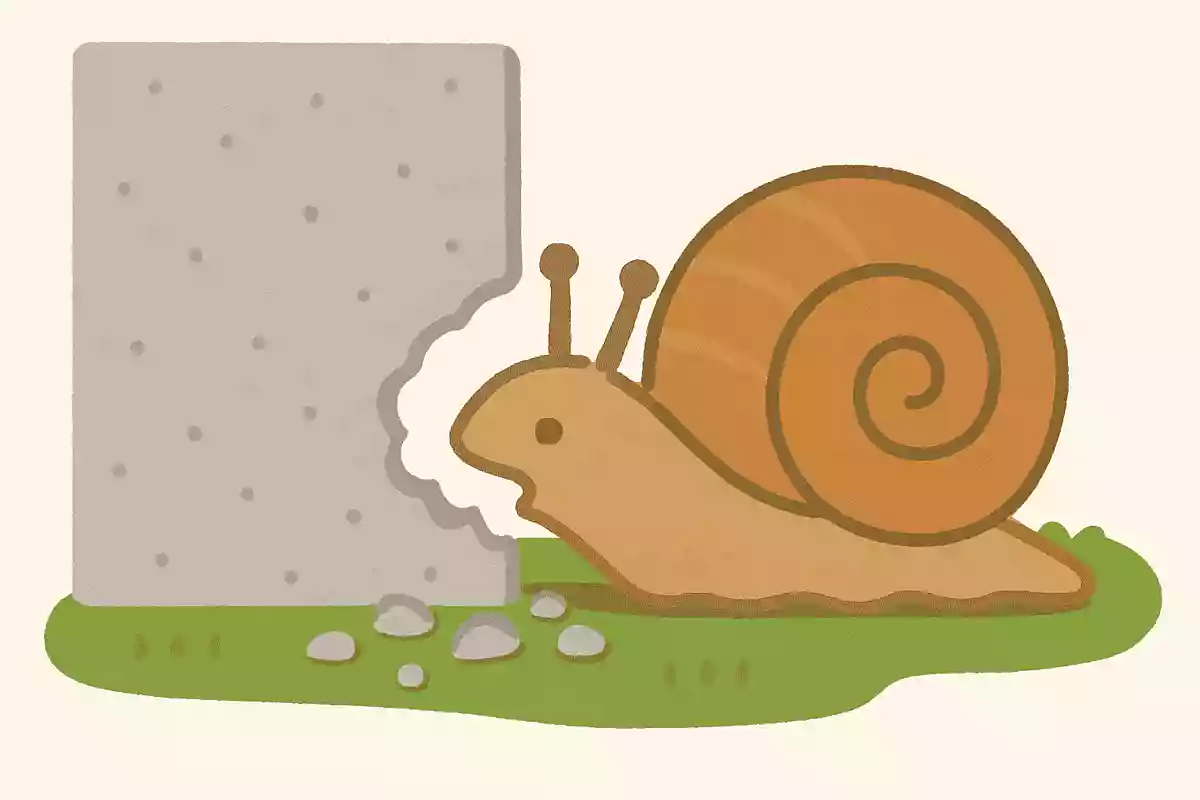
Snails are omnivores, so they are said to eat just about anything.
One food they particularly like is concrete.
Since the shells that protect snails’ bodies are made of calcium carbonate, they need a lot of calcium.
Eating concrete might allow snails to take in calcium efficiently.
Incidentally, pill bugs also have armor-like hard bodies, and these are likewise made of calcium.
It’s said that pill bugs living in cities also eat concrete.
Newspapers are an ideal item for dehumidifying.

That clammy humidity becomes a concern during the rainy season.
Have you ever found that clothes you’ve washed and hung indoors just don’t dry? Newspaper is actually a great item for dehumidifying closets and rooms.
Its surface is uneven, so it’s said to absorb moisture more easily than regular paper.
It’s easy to use—just lay it down and you can expect a dehumidifying effect.
Crumple some up, put it in your shoes overnight, and then dry the shoes in the sun to speed things up even more.
Since you’re using newspapers you’ve already finished reading, it’s more economical than buying dehumidifiers over and over.
It’s called “tsuyu” (the rainy season) because plums ripen during this time.
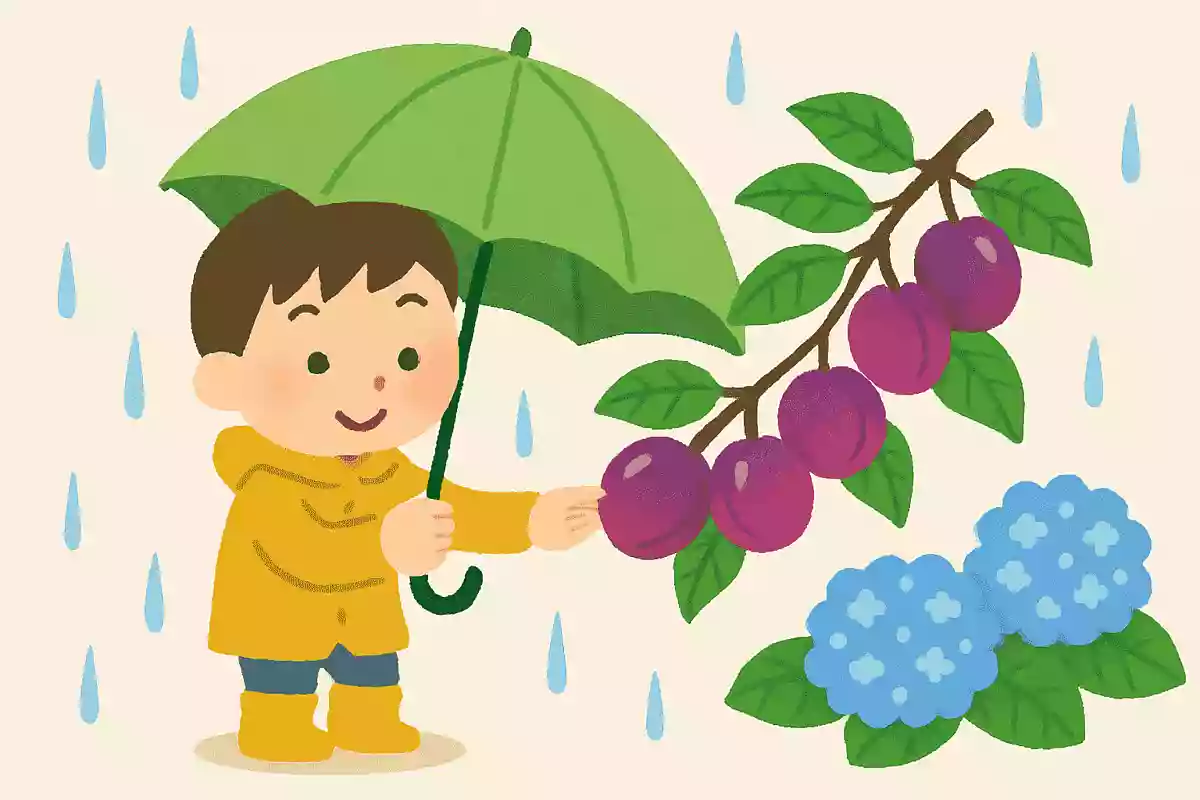
In June, we refer to the season with frequent rainfall as “tsuyu,” the rainy season.
Do you know why the character for “ume” (plum) is used? There are several theories about the origin, but the word “tsuyu” is said to come from Chinese.
Tsuyu is a rainy season seen from the lower reaches of China’s Yangtze River to the Korean Peninsula.
In the lower Yangtze region, the rainy season coincides with the time when plum fruits ripen, so it came to be written as “plum rain” (梅雨).
Another theory is that June is a time when food spoils easily and mold grows.
The kanji for mold is 黴, which can also be read as “bai.” The rain that falls around this time was written as 黴雨 (“mold rain”), but because the characters look unpleasant, the character for “plum” (梅), also read “bai,” was used instead.
The color of hydrangea flowers is determined by whether the soil is acidic or alkaline.
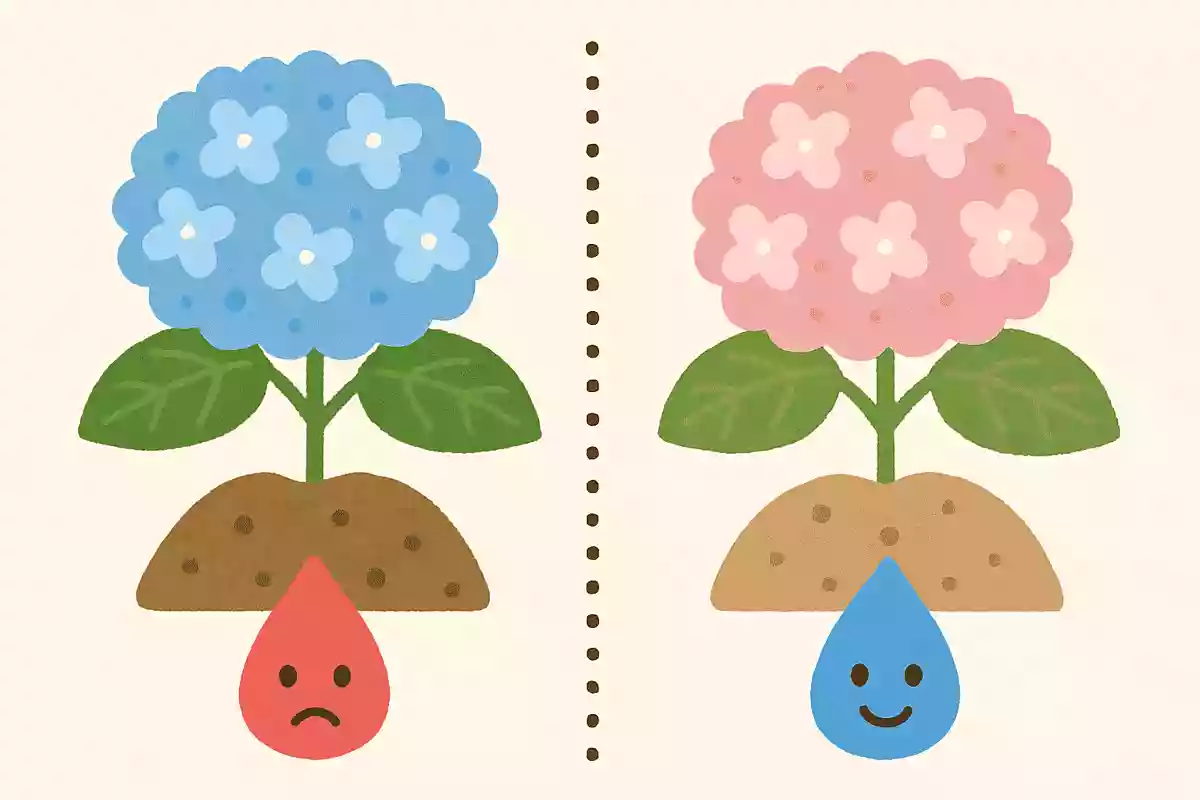
When it rains in June, many people may be reminded of hydrangeas in a variety of colors, such as blue and purple.
The base of these colors is a pigment called anthocyanin.
Anthocyanins are also found in foods like blueberries and eggplants.
Hydrangea colors change due to chemical reactions involving aluminum in the soil.
In alkaline soil, aluminum does not dissolve easily, so the flower’s color does not change.
However, in acidic soil, aluminum dissolves and triggers a chemical change, causing hydrangeas to turn blue.
Since Japan has many volcanoes and thus a lot of acidic soil, blue hydrangeas are especially common there.
In the old lunar calendar, “Minazuki” means “the month of water.”
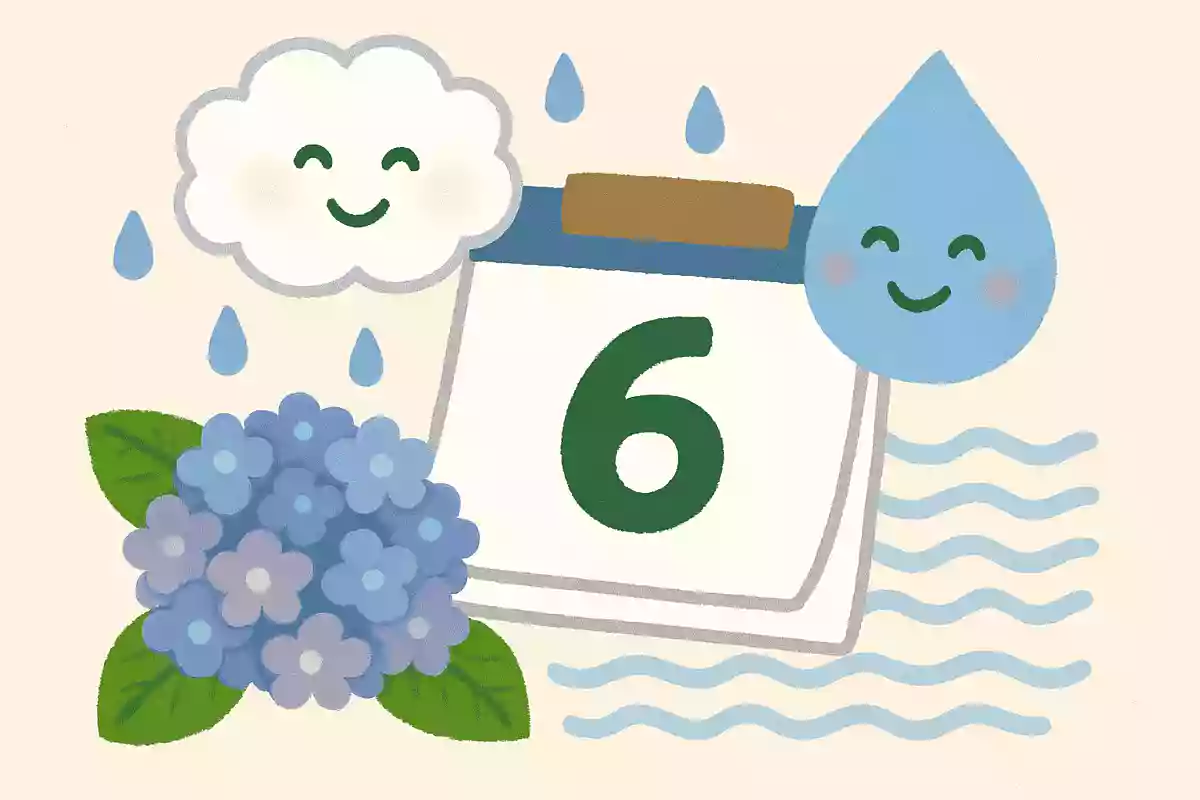
In the old lunar calendar, June is called Minazuki.
You might have wondered why it’s written with characters that seem to mean “month without water,” even though there’s plenty of rain.
実際、この「無」という文字は「ない」という意味ではなく、「〜の」のように所有を表す働きをします。したがって、水無月の本来の意味は「水の月」です。この名称は、ちょうどこの時期に水田に水を引く慣習とも結びついています。
On June 30, it’s said that eating a confection called Minazuki—sharing the same name as in the old calendar—can ward off misfortune.