

Trivia & fun facts about June

June brings lots of rain, and somehow it can dampen our mood, too.
Maybe many of you are wishing that the refreshing days of May would come back, or that the fun-filled summer would hurry up and arrive! In this article, we’ll introduce trivia and fun facts about June—the rainy season.
It’s packed with eye-opening tidbits that can flip a gloomy mood in an instant! Once you know the information we’re about to share, you might find June just a little more interesting and enjoyable.
Discover the unique charm of June—a month that holds its own against any other!
- Rainy season trivia roundup: fun facts you'll want to share with someone
- [For Kids] Trivia & Fun Facts Quiz About June
- Useful right away in daily life! Surprising trivia and handy tips
- [For Seniors] Trivia Quiz & Fun Facts for June
- Trivia about hydrangeas. A collection of fun facts related to ajisai (hydrangeas).
- Fun facts you’ll want to share! A roundup of October trivia and tidbits
- Recommended in March! A collection of surprising, little-known trivia that elementary school students will want to share
- Fun facts about the Moon. A rapid-fire quiz!
- Fun facts you’ll want to share! January trivia and tidbits special
- A collection of trivia and fun facts about August that will warm your heart
- Fun facts you’ll want to share! A special feature on November trivia and tidbits
- [Interesting] Compilation of Trivia Quiz Questions
- [For Seniors] Introducing trivia related to May!
Trivia & Fun Facts about June (11–20)
June 11 is Umbrella Day
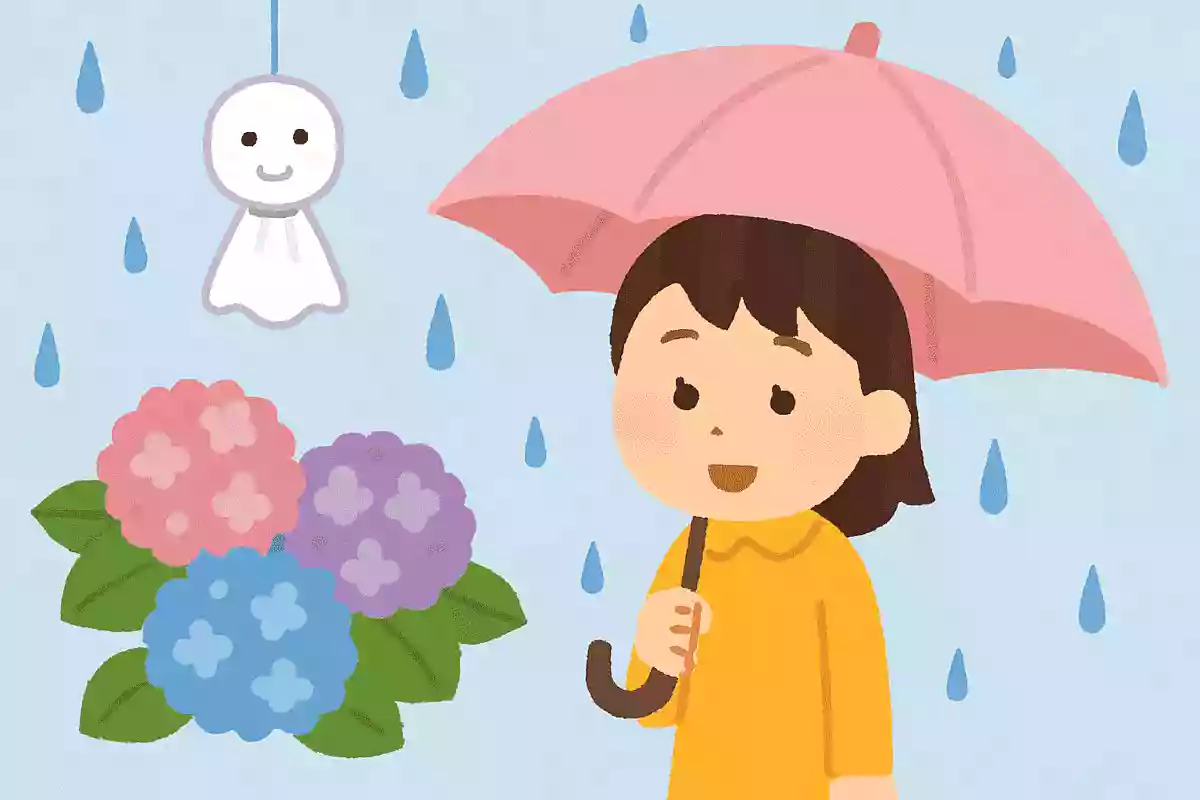
June marks the start of the rainy season, with more frequent rain.
A commemorative day perfect for this month is Umbrella Day on June 11.
It was established by the Japan Umbrella Promotion Council, founded in 1989 by volunteers from Western-style umbrella manufacturers.
The date was set as June 11 because it coincides with nyūbai, the traditional marker indicating the beginning of the rainy season.
Incidentally, the habit of using umbrellas is said to be something characteristic of Japanese people; many people overseas reportedly don’t use umbrellas much even when it rains.
Still, getting wet can chill your body, so find a favorite umbrella and keep your spirits up on rainy days!

When you want to restore an umbrella’s water repellency, apply warm air from a hair dryer.

Umbrellas that shield us from the rain are treated with a water-repellent finish.
However, their water-repellent performance inevitably declines with use.
The reason is that the fluororesin molecules, which are aligned to repel water, become soiled or get disturbed by friction.
As a way to restore this function, you can use a hair dryer to blow warm air on the fabric.
The warm air is said to help the disturbed fluororesin alignment return to its original state.
Be careful not to apply heat for too long, as it can damage the fabric.

The hydrangea originated in Japan.
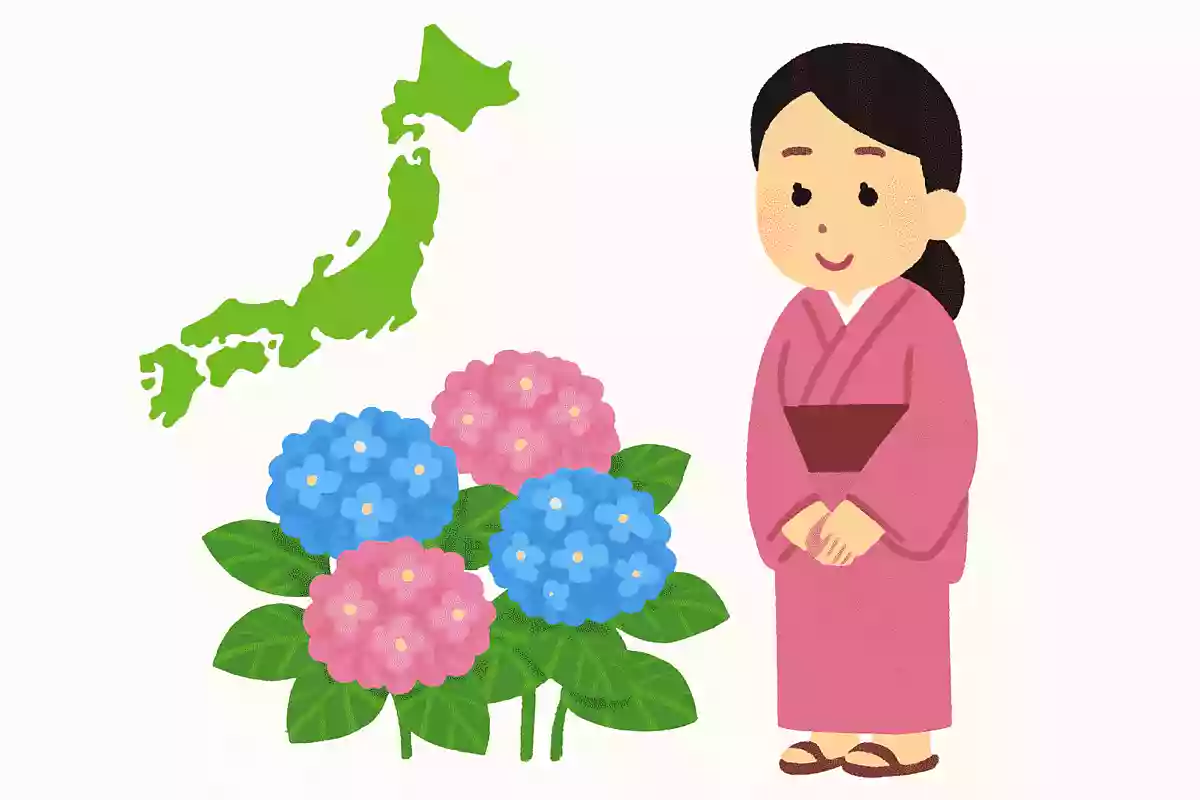
Hydrangeas are plants that symbolize the rainy season.
As it happens, Japan is actually the hydrangea’s country of origin.
The lacecap hydrangea that grew wild along the coasts of the Kanto region is said to be the original species.
Around the end of the Edo period, Westerners took home the Japanese mophead hydrangea known as Hon-ajisai.
Breeding began overseas, and the plants were later reimported to Japan as Western hydrangeas.
Western hydrangeas have large blooms and come in a wide variety of colors.
In flower shops, they are not called “Western hydrangeas,” but by their English name, Hydrangea.
The name hydrangea is said to mean “water vessel,” perhaps inspired by the image of the flowers blooming in the rain.

When frogs are croaking a lot, it will rain.
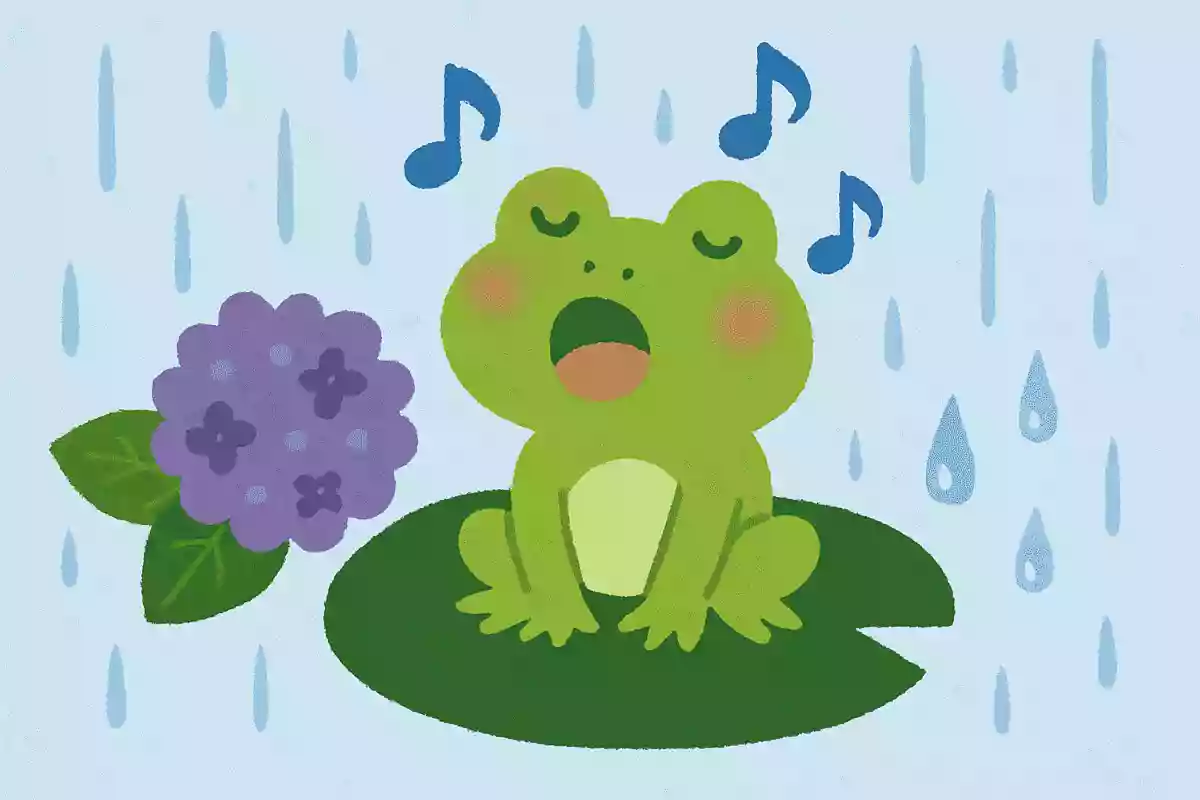
When frogs are croaking a lot, it may be a sign that rain is approaching.
Frogs breathe not only with their lungs but also through their skin.
In high humidity, cutaneous respiration works well, improving gas exchange—the swapping of oxygen and carbon dioxide—so they tend to call more.
However, frogs also call to attract females or to assert their territory, so croaking doesn’t necessarily mean it will rain.
By the way, frog calls heard when rain is nearing are sometimes referred to as “rain calls.”
In the Nordic countries, festivals are held on the summer solstice.
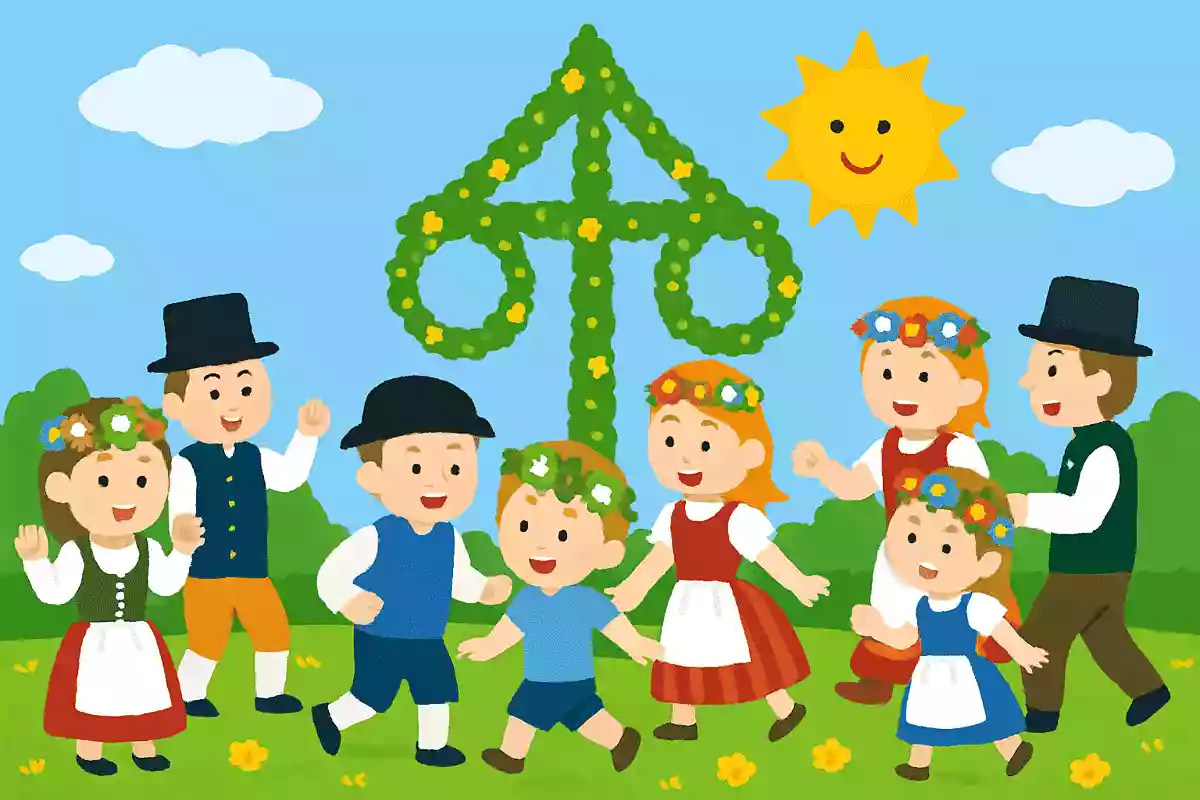
In Scandinavia, including Sweden, the Midsummer festival is celebrated.
Because winters are long in the Nordic countries, people celebrate the beginning of summer, a more comfortable season.
Folks wear traditional costumes, dance together, and enjoy meals, and Swedish girls wear wreaths made from grasses and flowers.
It’s said that if you place this wreath under your pillow when you sleep, your future spouse will appear in your dreams.
In the Nordic countries, this celebration is considered a very important event, on par with Christmas and Easter.
A rainy pattern refers to a state where it looks like it’s going to rain but it isn’t actually raining.
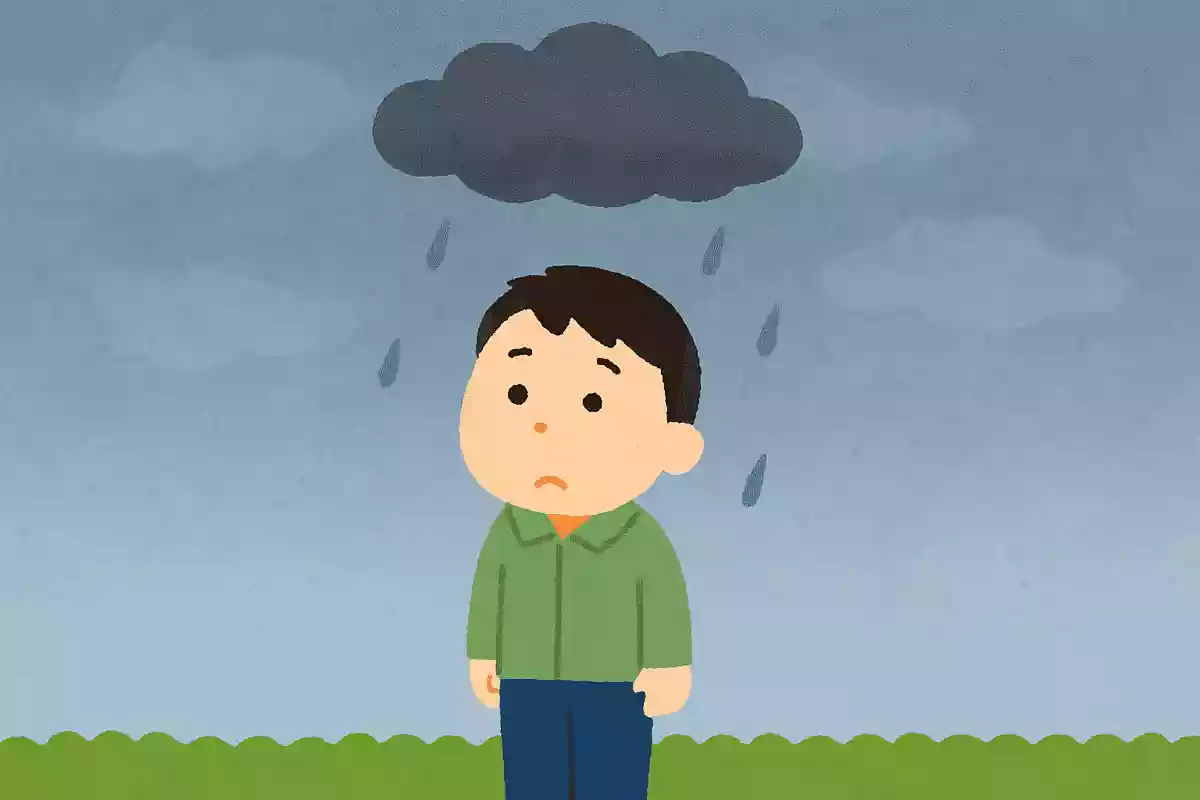
When you hear the term “amemoyō,” many people probably picture a scene where it’s raining.
In fact, though, amemoyō originally refers to a state where it looks like it’s going to rain but hasn’t started yet.
That said, these days it’s also used to describe when it’s actually raining, or when the rain is starting and stopping, so either meaning will generally be understood.
By the way, yumoyō (“snow pattern/weather”) and aremoyō (“stormy pattern/weather”) are similar: they originally refer to conditions where it hasn’t started snowing yet, or the weather hasn’t turned stormy yet.
Trivia & Fun Facts About June (21–30)
Teru teru bozu have existed since the Edo period.

It is said that teru-teru bozu have existed since the Edo period, as they appear in ukiyo-e and senryu.
There are various theories about their origin, but the most prominent are the idea that they were transmitted from China as sao qing niang, figures made to pray for clear skies, and the theory proposed by folklorist Kunio Yanagita that they derive from ancient weather rituals.
In the Edo period, teru-teru bozu were called “teri-bina” or “teriteri bozu.” They were made of paper or cloth as they are today, but it’s said they were depicted wearing kimono.