

A collection of nostalgic hits from the ’70s to 2000s that are perfect for livening up karaoke


When you go to karaoke with people from the same generation—like at class reunions, year-end parties, or New Year’s gatherings—nothing gets the energy up like nostalgic hits! The real charm of these retro tunes is that only those who lived through the same era can sing and listen while reminiscing about those days.
In this article, we’ve carefully selected hit songs from the 1970s, 80s, 90s, and 2000s—tracks that were beloved back then and are still cherished by many today.
Use this as a guide when choosing songs for karaoke with friends from your generation!
- [Recommended for people in their 70s] Songs that get everyone excited. Songs you’ll want to sing at karaoke.
- Songs Everyone Knows: A Popular Karaoke Collection You Can Sing Regardless of Age
- [Recommended for people in their 70s] Classic nostalgic hits: A collection of youth songs
- A collection of nostalgic hits from the Heisei era: Let’s look back at iconic songs from the 1990s and 2000s.
- From Showa-era kayōkyoku to J-POP! A nostalgia-packed roundup of karaoke crowd-pleasers
- [Karaoke] A roundup of songs that are easy for women to sing!
- Even karaoke beginners can relax! Easy-to-sing songs for men
- Karaoke Popularity Ranking by Generation [50s] [2026]
- Karaoke songs you’ll want to sing for men in their 70s: Enka and nostalgic Showa-era pop
- When you want to hype it up with your peers! Karaoke songs recommended for Gen Z
- [For People in Their 40s] Karaoke Songs That Are Easy to Sing: 2026 Ranking
- [Nostalgic Songs] A compilation of classic anime themes that hit home for those born in the Showa and Heisei eras
- Timeless classics only! Showa-era hit songs perfect for acoustic sing-alongs
1990s (ages 21–30)
Don’t give upZARD

ZARD’s biggest hit, which boosted their recognition and popularity.
Its earnest, straightforward lyrics resonated with many listeners.
Even long after its release, it’s still known as a motivational anthem and is supported by a wide range of age groups.
La La LaDaikoku Maki

This song captivates listeners with its powerful vocals and passionate lyrics.
Released in July 1995, it became a major hit as the theme song for the drama “Aji Ichimonme.” It’s one of Maki Ohguro’s signature masterpieces and is also included on the album “LA.LA.LA.” The lyrics vividly portray the joys, pains, and inner conflicts of love, resonating with many people.
It’s a great choice for karaoke—perfect for getting the crowd going while reminiscing about youth with friends of the same generation.
Its uplifting energy also makes it ideal for year-end and New Year parties!
Marunouchi SadisticShiina Ringo

Ringo Sheena, a singer-songwriter who has also been active as the central figure of Tokyo Jihen, has drawn attention for her one-of-a-kind musical style since her debut.
Despite not being released as a single, Marunouchi Sadistic—featured on her blockbuster first album Innocence Moratorium—has become one of her signature songs, frequently performed at both her solo shows and Tokyo Jihen concerts.
Its lively piano melody riding on a shuffle beat creates an effortlessly enjoyable vibe to sing along to.
It’s also a karaoke staple, and musicians in particular can’t help but be drawn to the world depicted in its lyrics.

Melty loveSHAZNA

SHAZNA’s major-label debut single.
Used as the ending theme for the TV Asahi program “Tokoro-san no Kore Ari Njanai no!?,” it became SHAZNA’s biggest hit.
The vocalist IZAM’s androgynous appearance was shocking for the time and generated a lot of buzz.
1990s (31–40)
beetle (specifically, a rhinoceros beetle)aiko

Singer-songwriter aiko captivates fans with songs built on hooky, jazzy chord progressions and lyrics that portray a worldview any woman can’t help but relate to.
Her fourth major single, “Kabutomushi,” chosen as the ending theme for the music show CDTV, is still known today as her signature song.
Though uniquely expressed, the lyrics paint vivid scenes, and just listening can make your chest tighten.
It’s a bittersweet yet beautiful melody of exceptional quality—a number that’s sure to bring the house down at karaoke.
Island SongTHE BOOM

It’s a very Okinawan song, packed with uniquely Okinawan musical elements like the sanshin and Ryukyuan music.
It’s said to have sold over ten thousand copies in Okinawa alone.
Today, it’s considered a classic, sung by many artists including Rimi Natsukawa.
Tomorrow never knowsMr.Children
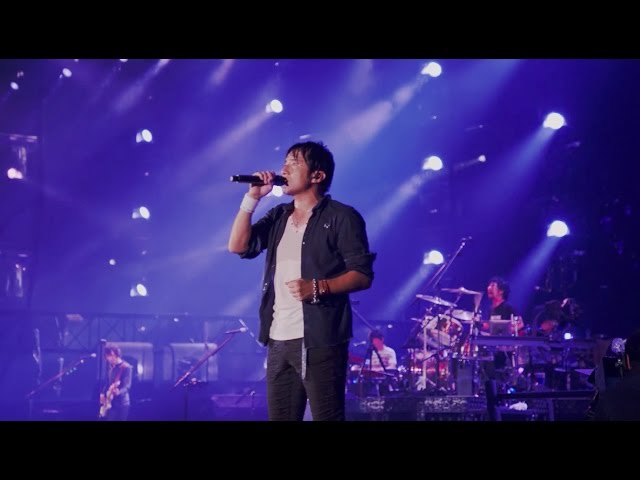
Released in November 1994, this Mr.Children song is one of their signature tracks that has continued to lead the J-pop scene.
Chosen as the theme song for the Fuji TV drama “Wakamono no Subete,” it explores themes of inner conflict and hope for the future.
The more you listen, the more a powerful message comes through—about finding your own path and moving forward toward what lies ahead.
With Kazutoshi Sakurai’s powerful vocals, it’s a song that resonates deeply with listeners.
It’s also a perfect karaoke choice for class reunions or year-end parties—when people of the same generation get together, it’s sure to spark excitement and nostalgia.