

A collection of nostalgic hits from the ’70s to 2000s that are perfect for livening up karaoke


When you go to karaoke with people from the same generation—like at class reunions, year-end parties, or New Year’s gatherings—nothing gets the energy up like nostalgic hits! The real charm of these retro tunes is that only those who lived through the same era can sing and listen while reminiscing about those days.
In this article, we’ve carefully selected hit songs from the 1970s, 80s, 90s, and 2000s—tracks that were beloved back then and are still cherished by many today.
Use this as a guide when choosing songs for karaoke with friends from your generation!
- [Recommended for people in their 70s] Songs that get everyone excited. Songs you’ll want to sing at karaoke.
- Songs Everyone Knows: A Popular Karaoke Collection You Can Sing Regardless of Age
- [Recommended for people in their 70s] Classic nostalgic hits: A collection of youth songs
- A collection of nostalgic hits from the Heisei era: Let’s look back at iconic songs from the 1990s and 2000s.
- From Showa-era kayōkyoku to J-POP! A nostalgia-packed roundup of karaoke crowd-pleasers
- [Karaoke] A roundup of songs that are easy for women to sing!
- Even karaoke beginners can relax! Easy-to-sing songs for men
- Karaoke Popularity Ranking by Generation [50s] [2026]
- Karaoke songs you’ll want to sing for men in their 70s: Enka and nostalgic Showa-era pop
- When you want to hype it up with your peers! Karaoke songs recommended for Gen Z
- [For People in Their 40s] Karaoke Songs That Are Easy to Sing: 2026 Ranking
- [Nostalgic Songs] A compilation of classic anime themes that hit home for those born in the Showa and Heisei eras
- Timeless classics only! Showa-era hit songs perfect for acoustic sing-alongs
1990s (ages 41–50)
I’m proudKahara Tomomi

If you’re going to sing at karaoke, I recommend a classic produced by Tetsuya Komuro.
Known as one of Tomomi Kahara’s signature songs, this track was released in March 1996 and topped the Oricon annual karaoke ranking.
Its lyrics, themed around self-affirmation and personal growth, carry a message that resonates with many people.
The music video, filmed in Los Angeles, is also memorable and likely to bring back memories for those who remember that era.
At a karaoke gathering with people of the same generation, everyone singing it together is sure to spark nostalgia and get the energy going.
Refrain of SoulsTakahashi Yoko

It’s Yoko Takahashi’s 14th single overall, released in February 1997.
It was used as the theme song (ending title roll) for the anime film Neon Genesis Evangelion: Death & Rebirth.
By the way, the title “L’Arc~en~Ciel” — sorry, “L/Rufuran” — actually, “Lufuran” is the French reading of “refrain.” This is another classic of Heisei-era J-pop! The song itself is up-tempo and very easy to get into, and since the vocal melody doesn’t span a very wide range, it might be fun at karaoke to have everyone there join in for a big sing-along.
It’s a track that lets you purely enjoy “using your voice” and “singing.”

HOWEVERGLAY
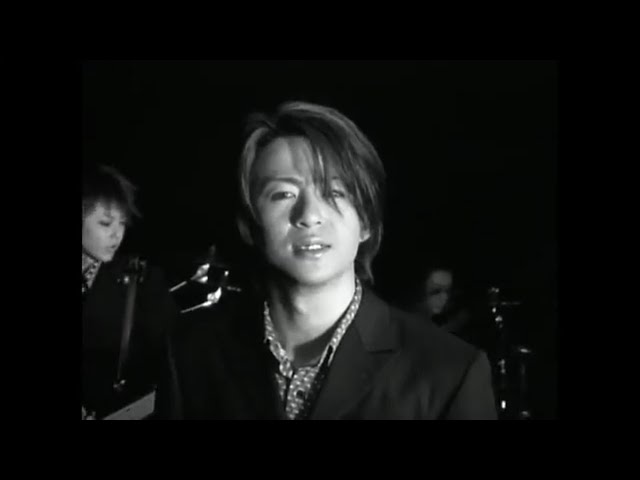
HOWEVER, GLAY’s first million-selling hit.
GLAY went on to achieve an incredible streak of five consecutive million-selling singles.
This classic was also featured in TV dramas.
When people think of GLAY’s greatest songs, many probably think of this one.
1990s (51–60)
SAY YESCHAGE and ASKA
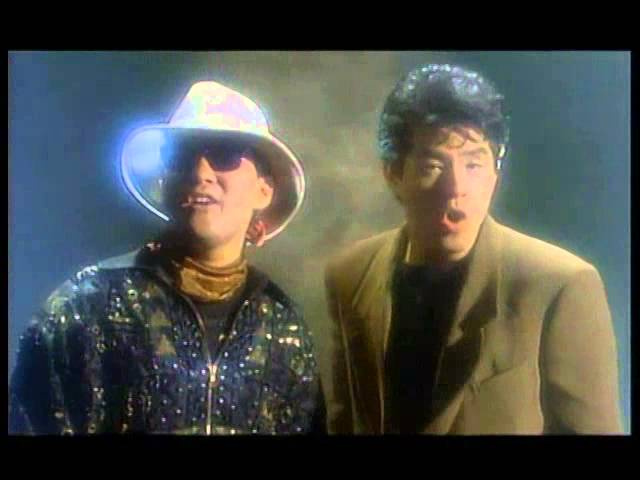
CHAGE and ASKA, a vocal duo that enjoyed immense popularity from the late 1980s to the early 1990s.
SAY YES is one of their signature songs, released in 1991.
ASKA’s distinctive melodies and the harmonies with CHAGE bring back memories from that era.

I want to see you.sawada chikako

Aitai is a super-classic that recorded a million hits.
It became Chikaco Sawada’s biggest hit.
It’s a song about thinking of a lover who has passed away, and listening to it brings tears naturally.
It’s a song I want you to listen to with someone precious to you.
Swaying feelingsZARD

ZARD was a music unit that ended its activities following the sudden passing of vocalist Izumi Sakai.
Their 8th single, “Yureru Omoi,” used in Otsuka Pharmaceutical’s Pocari Sweat commercial, became a million-seller and is widely known as one of ZARD’s signature songs.
The gentle vocals and clear, transparent ensemble offer a soothing experience just by listening.
It’s a refreshing pop tune that we especially hope people in their 50s—the generation that grew up with it—will sing at karaoke.

BOY MEETS GIRLTRF

TRF is a five-member male and female dance and vocal group that gained immense popularity with high-quality performances capable of turning any venue into a disco.
Their seventh single, BOY MEETS GIRL—produced on short notice at Coca-Cola’s request—features an impressive, fast-paced techno sound.
Because the melody is simple, it’s easy for people of that generation to choose and sing at karaoke.
It’s one of TRF’s signature songs, with an ensemble that embodies the TK sound of the 1990s and elevates the energy.