

A collection of nostalgic hits from the ’70s to 2000s that are perfect for livening up karaoke


When you go to karaoke with people from the same generation—like at class reunions, year-end parties, or New Year’s gatherings—nothing gets the energy up like nostalgic hits! The real charm of these retro tunes is that only those who lived through the same era can sing and listen while reminiscing about those days.
In this article, we’ve carefully selected hit songs from the 1970s, 80s, 90s, and 2000s—tracks that were beloved back then and are still cherished by many today.
Use this as a guide when choosing songs for karaoke with friends from your generation!
- [Recommended for people in their 70s] Songs that get everyone excited. Songs you’ll want to sing at karaoke.
- Songs Everyone Knows: A Popular Karaoke Collection You Can Sing Regardless of Age
- [Recommended for people in their 70s] Classic nostalgic hits: A collection of youth songs
- A collection of nostalgic hits from the Heisei era: Let’s look back at iconic songs from the 1990s and 2000s.
- From Showa-era kayōkyoku to J-POP! A nostalgia-packed roundup of karaoke crowd-pleasers
- [Karaoke] A roundup of songs that are easy for women to sing!
- Even karaoke beginners can relax! Easy-to-sing songs for men
- Karaoke Popularity Ranking by Generation [50s] [2026]
- Karaoke songs you’ll want to sing for men in their 70s: Enka and nostalgic Showa-era pop
- When you want to hype it up with your peers! Karaoke songs recommended for Gen Z
- [For People in Their 40s] Karaoke Songs That Are Easy to Sing: 2026 Ranking
- [Nostalgic Songs] A compilation of classic anime themes that hit home for those born in the Showa and Heisei eras
- Timeless classics only! Showa-era hit songs perfect for acoustic sing-alongs
1970s–1980s (1–10)
Sake, Tears, Men, and WomenKawashima Eigo

Eigo Kawashima, who sadly passed away young in 2001, still has many of his songs sung by people today.
His masterpiece “Sake, Tears, Men and Women” remains one of his signature works; the lyrics portray the sorrow of men, and his rugged presence as he sings while playing the piano continues to be beloved by many.
Its lyrics, which lay bare the life of a middle-aged man who chooses not to rush through life but to live slowly and true to himself, resonate deeply—and it’s still a karaoke favorite even now.
Do whatever the hell you want.sawada kenji
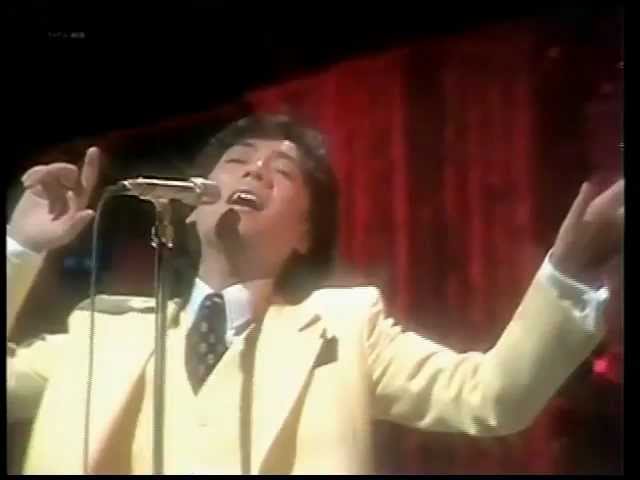
Known by the nickname “Julie,” singer Kenji Sawada captivated fans not only with his powerful vocals but also with his sexy onstage makeup.
This is his 19th single.
Its melancholic lyrics and melody, combined with rock-infused arrangements, made a major impact on the J-pop scene at a time when kayōkyoku dominated the charts.
Those now in their 50s or 60s, who likely spent their youth back then, might find themselves wanting to sing it at karaoke.
Covered by numerous artists, it is a classic Showa-era song that remains widely known across generations.

Yoko of the Port, Yokohama, YokosukaDaun Taun Bugiugi Bando

Set against the port towns of Yokohama and Yokosuka, this acclaimed piece portrays the search for a certain woman.
Released as the B-side of a single in April 1975, it drew major attention, topping the Oricon weekly chart for five consecutive weeks and ranking fifth on the year-end chart.
It also led the Down Town Boogie-Woogie Band to their first appearance on the Kōhaku Uta Gassen.
Ryūdō Uzaki composed the song, inspired by American talking blues, and it marked Yōko Aki’s debut as a lyricist.
A film of the same title was released in September 1975, and the song has remained beloved, appearing in later commercials such as Fuji Photo Film’s “Utsurun-desu” in 1997 and Meiji’s “Kinoko no Yama” in 2010.
It’s a great choice for class reunions or parties—sing it with everyone to share a nostalgic Shōwa-era vibe.
You are more beautiful than a rose.Fuse Akira

When it comes to Akira Fuse, “Shikuramen no Kahori” is famous, but I think many people actually prefer “Kimi wa Bara yori Utsukushii.” Above all, there’s no other song that feels this good to sing.
When you sing it at karaoke, use diaphragmatic breathing and go full volume.
For the final chorus, sing with maximum emotion and power!
MARIONETTEBOØWY

This is the sixth single by BOØWY, the four-piece rock band that had a massive influence on countless groups in the J-POP scene.
It was their first number to hit No.
1 as a band, and the guitar riff in the intro—based on the melody of the chorus—is famous for being widely copied by aspiring guitarists.
For the generation that likely spent their youth during BOØWY’s active years from 1981 to 1988, listening to it now may still rekindle the excitement of that era.
It’s a catchy rock tune that’s indispensable for karaoke among people in their 40s and 50s.
MasqueradeShonentai

Many listeners were surely captivated by its dazzling, danceable sound that kicks off with a 5/4-time intro.
Released in 1985, Shonentai’s debut single topped the Oricon Weekly Chart and went on to dominate TBS’s music program “The Best Ten,” holding the No.
1 spot for six consecutive weeks, leaving a major mark on the music scene.
Arranger Motoki Funayama crafted the track with the goal of creating a “million-selling song,” and together with slap bass and a rich array of percussion, it’s a number brimming with appeal that even office workers can enjoy casually.
It’s guaranteed to instantly transform the atmosphere of any venue into something bright and festive.
A long nightMatsuyama Chiharu

The 10th single by singer-songwriter Chiharu Matsuyama, renowned as a legend of the New Music scene who has produced numerous hit songs.
Featuring a rock-flavored arrangement that differs from the folk style he had focused on until then, the track became a major hit and broadened his fan base as a musician.
Released in 1981—likely the formative years for those now in their 50s and 60s—it’s a song that would surely liven up a class reunion.
With its brisk, refreshing feel, it’s also a great pick for karaoke with any generation.