

A collection of nostalgic hits from the ’70s to 2000s that are perfect for livening up karaoke


When you go to karaoke with people from the same generation—like at class reunions, year-end parties, or New Year’s gatherings—nothing gets the energy up like nostalgic hits! The real charm of these retro tunes is that only those who lived through the same era can sing and listen while reminiscing about those days.
In this article, we’ve carefully selected hit songs from the 1970s, 80s, 90s, and 2000s—tracks that were beloved back then and are still cherished by many today.
Use this as a guide when choosing songs for karaoke with friends from your generation!
- [Recommended for people in their 70s] Songs that get everyone excited. Songs you’ll want to sing at karaoke.
- Songs everyone knows across generations. A roundup of karaoke tracks anyone can sing, regardless of age.
- [Recommended for people in their 70s] Classic nostalgic hits: A collection of youth songs
- A collection of nostalgic hits from the Heisei era: Let’s look back at iconic songs from the 1990s and 2000s.
- From Showa-era kayōkyoku to J-POP! A nostalgia-packed roundup of karaoke crowd-pleasers
- [Karaoke] A roundup of songs that are easy for women to sing!
- Even karaoke beginners can relax! Easy-to-sing songs for men
- Karaoke Popularity Ranking by Generation [50s] [2026]
- Karaoke songs you’ll want to sing for men in their 70s: Enka and nostalgic Showa-era pop
- When you want to hype it up with your peers! Karaoke songs recommended for Gen Z
- [For People in Their 40s] Karaoke Songs That Are Easy to Sing: 2026 Ranking
- [Nostalgic Songs] A compilation of classic anime themes that hit home for those born in the Showa and Heisei eras
- Timeless classics only! Showa-era hit songs perfect for acoustic sing-alongs
1990s (51–60)
A Little LovePucchimoni

One of the songs that really gets everyone energized is Chokotto LOVE.
It’s the first release by Petit Moni, a sub-unit of Morning Musume’s first-generation members, and it became a million seller.
The members were Kei Yasuda, Sayaka Ichii, and Maki Goto.
The lyrics celebrate love in a positive way, and the sound of the words themselves is so cute you can’t help but be charmed.
The irresistibly catchy chorus makes it fun for both the singer and the listener.
It also has a playful vibe that kids are likely to enjoy, so it’s a great pick for family karaoke.

Swaying feelingsZARD

ZARD was a music unit that ended its activities following the sudden passing of vocalist Izumi Sakai.
Their 8th single, “Yureru Omoi,” used in Otsuka Pharmaceutical’s Pocari Sweat commercial, became a million-seller and is widely known as one of ZARD’s signature songs.
The gentle vocals and clear, transparent ensemble offer a soothing experience just by listening.
It’s a refreshing pop tune that we especially hope people in their 50s—the generation that grew up with it—will sing at karaoke.

Summer Colorsyuzu

A song that vividly captures the essence of youthful summers.
Its refreshing melody and heartfelt lyrics grip listeners and never let go.
Released in June 1998, this track marked Yuzu’s memorable debut single.
It’s a piece that can be called the starting point for the duo, who rose from street musicians to a major-label debut.
Even in 2023, their 25th anniversary, it continued to shine with undiminished appeal, being selected for heavy rotation on Space Shower TV.
When you want to feel nostalgic at a class reunion or a gathering with friends, listen to this song—memories of your youth are sure to come flooding back.
For loveOkuda Tamio

This song is the solo debut single of Tamio Okuda, who performs as a member of Unicorn.
It was also used in 2011 on the New Year’s Eve special of “Downtown no Gaki no Tsukai ya Arahende!!” in the form of a parody sung by Okuda himself, so many people are likely familiar with it.
I won’t fall in love anymore.Makihara Noriyuki
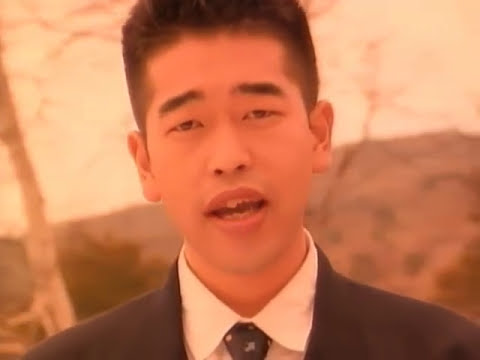
It’s the theme song for the Nippon TV drama “After the Children Have Gone to Bed.” When Akimitsu Honma went through a breakup, Makihara wrote this song for him, and it’s still known today as a quintessential breakup song.
By negating a negation, it delivers its message with even greater impact.