

For elementary school kids! Fun riddles recommended for lower grades

Lively, curious lower-grade elementary school children.
They love learning new things and playing with friends.
Their thinking is still flexible, and they’re great at coming up with fun ideas.
Here, we’ll introduce riddles for elementary school kids that lower graders can enjoy.
Riddles help develop thinking skills and let you enjoy wordplay.
Have a wonderful time using your heads together with friends and family as you enjoy all kinds of fun riddles featuring familiar things!
- Recommended for lower grades! A fun, educational quiz for elementary school students
- Recommended riddles for elementary school students. A collection of kid-friendly riddles.
- For elementary school kids! Fun and amusing riddles everyone can enjoy together
- Fun trick riddles you can enjoy in elementary school!
- Riddles for Upper Elementary Kids: A Fun Collection That Adults Can Enjoy Too
- For elementary school kids! Fun riddles recommended for the middle grades
- Easy Riddles for Elementary School Students
- [For Elementary School Students] Recommended Riddle Collection
- Fun Quiz Collection Guaranteed to Stump and Delight Elementary School Kids
- Fun quizzes for elementary school kids: a collection of questions everyone can enjoy together
- [Easy] Riddles to Enjoy with Kids: Make Time to Think Together as a Family!
- [Playable from lower grades] Japanese language games and activities
- [For Lower Elementary Students] Play Right Away! Learn with Fun True-or-False Quizzes
For Elementary School Kids! Fun Riddles Recommended for Lower Grades (21–30)
What animal gets lighter when you flip it over?
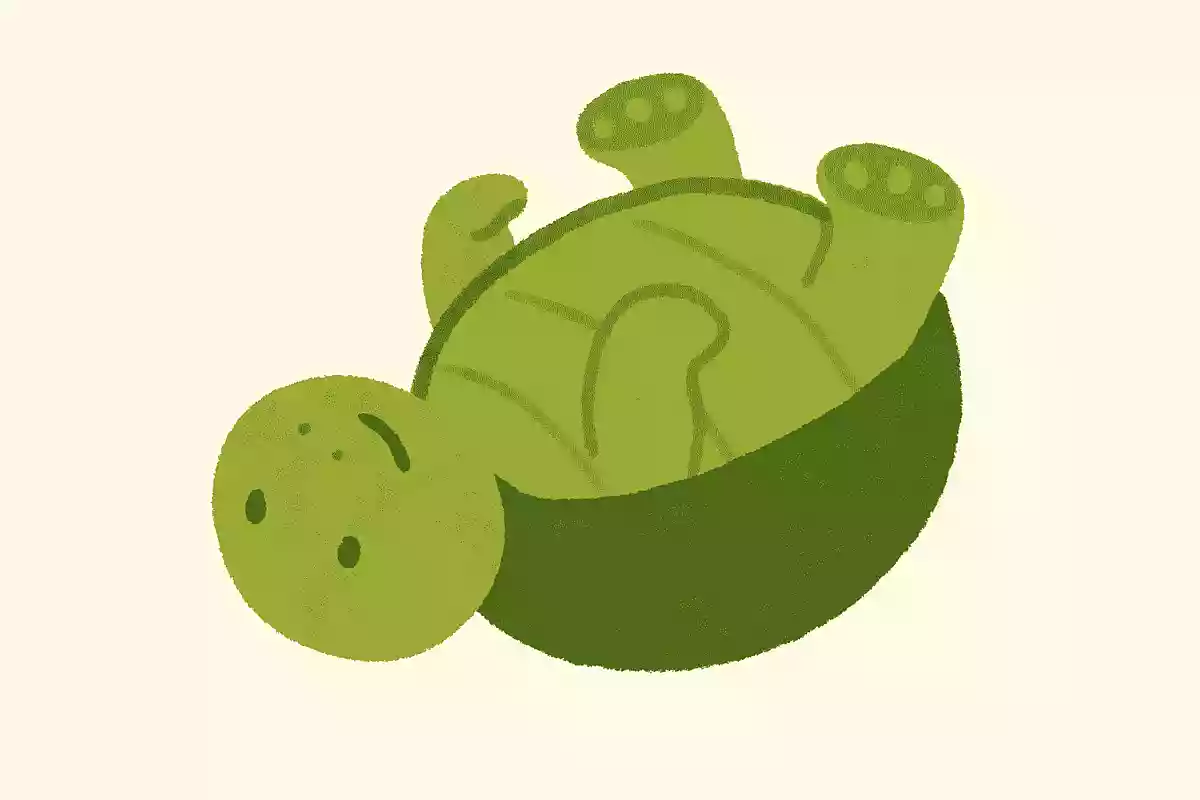
An animal that gets lighter when flipped over… Just imagining various animals flipping over makes you feel warm and fuzzy, doesn’t it? But no matter how many real animals you flip, you won’t reach the answer! And since there are so many animals, guessing at random won’t help much either.
The key to solving this riddle is to focus on the crucial word “karui” (軽い), meaning “light.”
When written in katakana, it’s “カルイ” (karui).
If you flip it—i.e., read it backward—it becomes “イルカ” (iruka), which means “dolphin.” So the answer is “dolphin.”

What kind of bird plays by getting tangled in string?
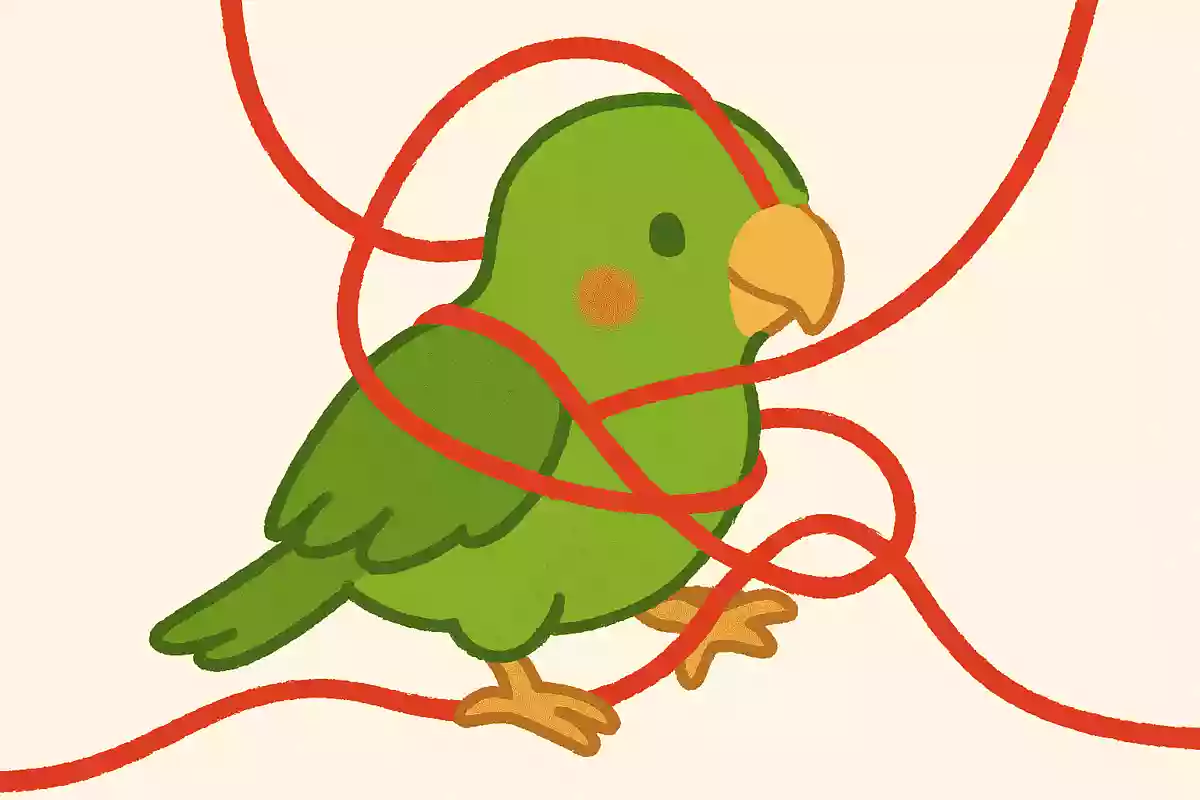
If a bird gets tangled in a string, you’d think it wouldn’t be able to spread its wings and fly, right? That would be true for an ordinary bird.
But there’s a bird that can still “fly” even when it’s tangled in string.
It’s not a bird soaring in the sky, but one that changes into various shapes in your hands.
To find the answer, try thinking of words that include “tori” (bird).
What words come to mind? Here’s a hint: it’s a game played with string.
Have you figured it out? The answer is ayatori (cat’s cradle).
No matter how many times you call it, it never answers—what is it?
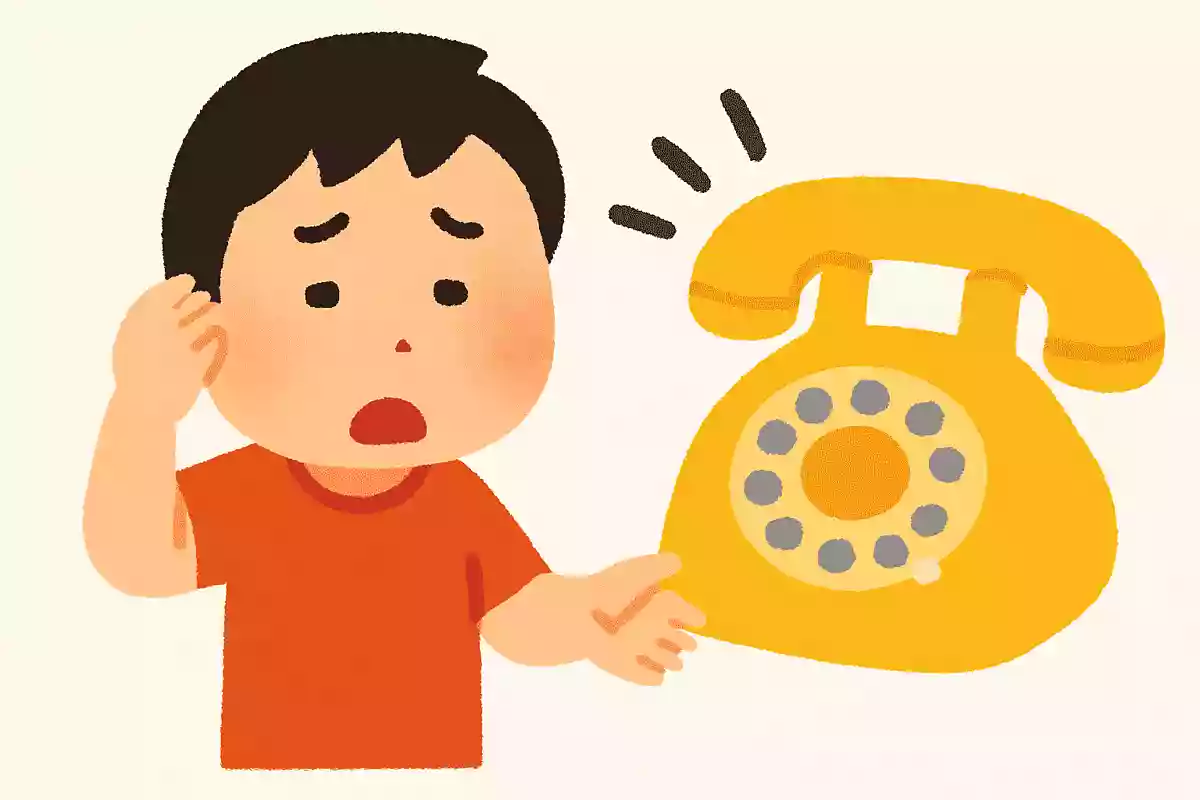
If you call your dad or mom, your teacher or your friends, they all answer you, right? But in this world, there are things that won’t respond no matter how much you call them… What are they? The answer is something you all know well.
The key to solving this riddle is to focus on the hiragana word yondemo.
First, try converting it to kanji.
If you try different options like 呼んでも (even if you call) and 読んでも (even if you read), you’ll arrive at the answer.
By the way, the correct answer is “a book.”
What is a ball that’s square, even though it’s still a ball?
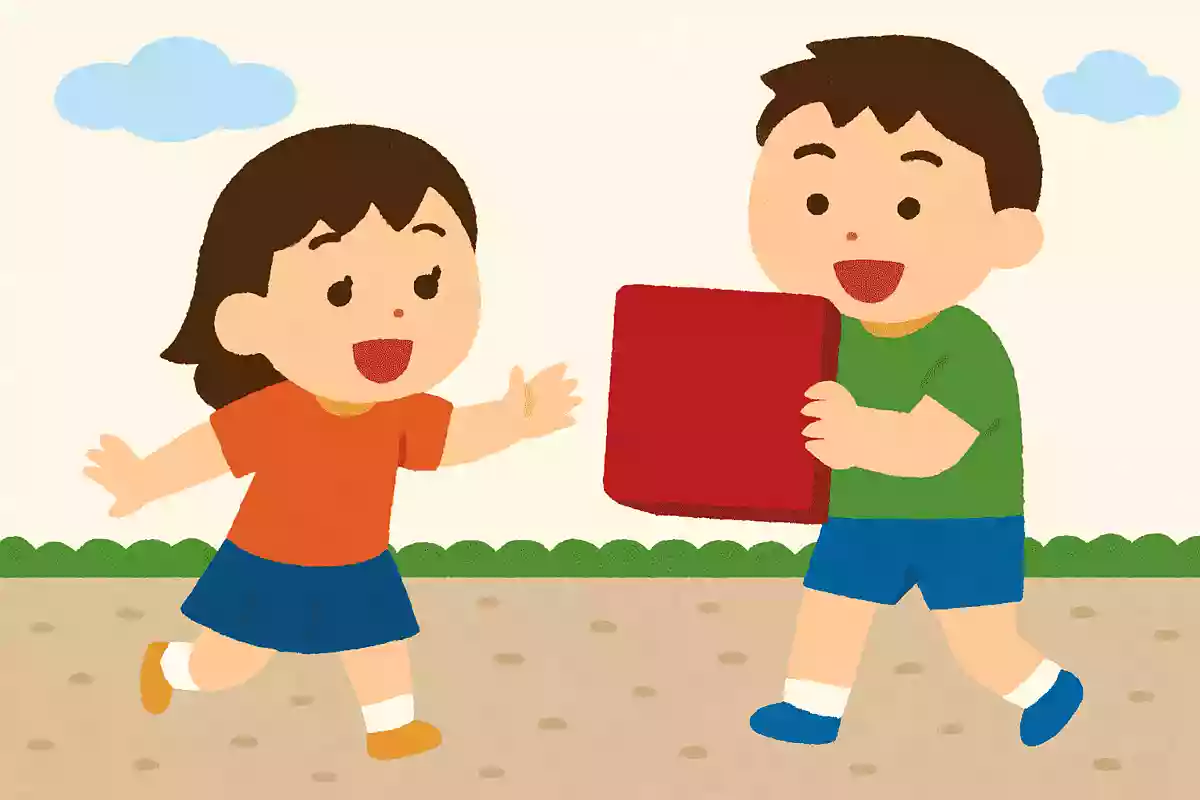
Speaking of balls, they’re one of the tools used in ball sports, right? When you picture a ball, most of you probably imagine a round sphere.
However, since the question in this quiz says “square,” we need to look for a square ball.
Let’s forget about balls used in sports for a moment and think of something square that includes the word “ball” (booru) in Japanese.
If you’re an elementary school student, you’ve probably seen it at home or used it for crafts.
The correct answer is “danbooru” (cardboard).
What kind of neck comes out of a mouth?
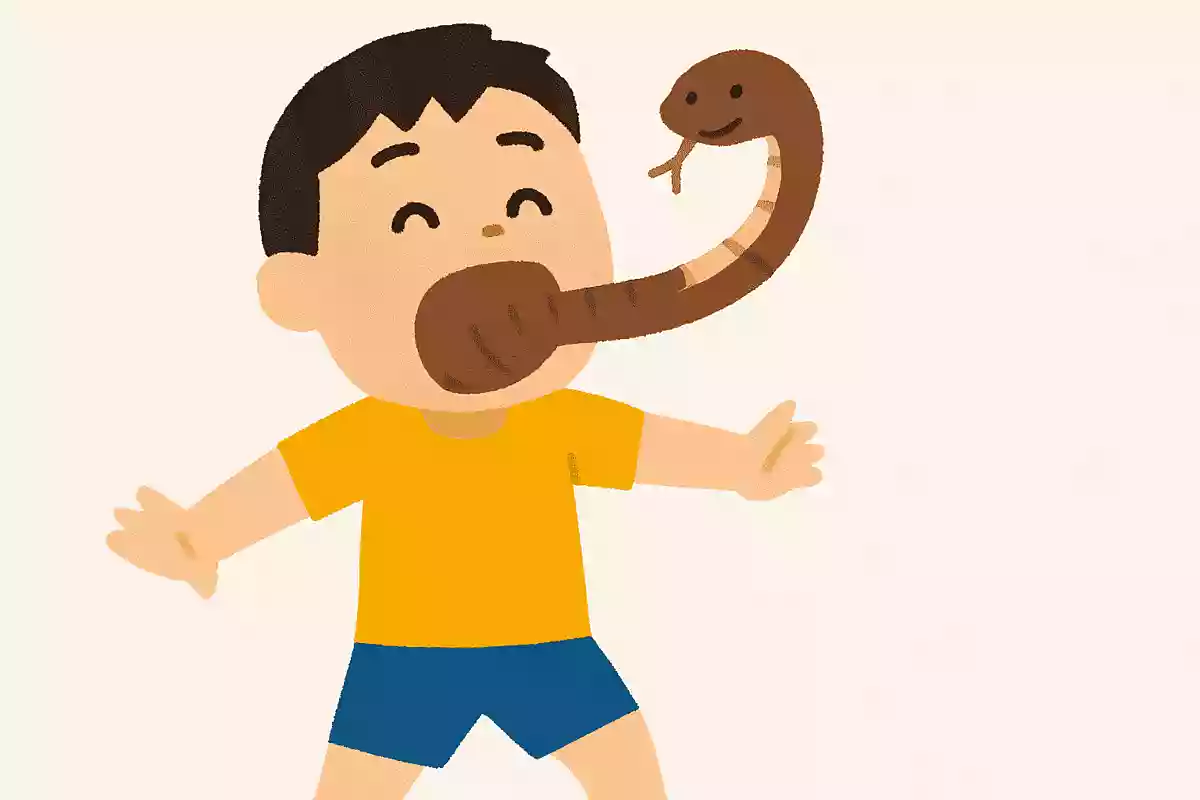
A neck coming out of your mouth…
It sounds a bit scary if you imagine it, but don’t worry—it’s just a riddle, not a scary story.
With that in mind, let’s solve it! The key to this puzzle is to convert the keyword “首” (kubi, neck) into hiragana and think of it that way.
Then, associate things that include “kubi” which come out of the mouth.
Everyone has put this out of their mouth at least once.
It’s an easy answer, so if you get the hint, you’ll solve it right away.
The answer is “akubi” (a yawn)!
What gets smaller the bigger it gets?
The bigger it gets, the smaller it becomes… What does that even mean? you might wonder.
“Getting bigger” and “getting smaller” are opposites, and something that gets bigger doesn’t become smaller.
What we need to consider when solving this riddle is how to interpret “bigger.” In this puzzle, “bigger” means “growing.” When you grow, isn’t there something that becomes smaller? You probably experience it often when the seasons change.
The answer is clothes! As your body grows and gets bigger, the clothes you wore last year become too small and no longer fit.
What kind of shell becomes scary when even 10 small ones gather together?
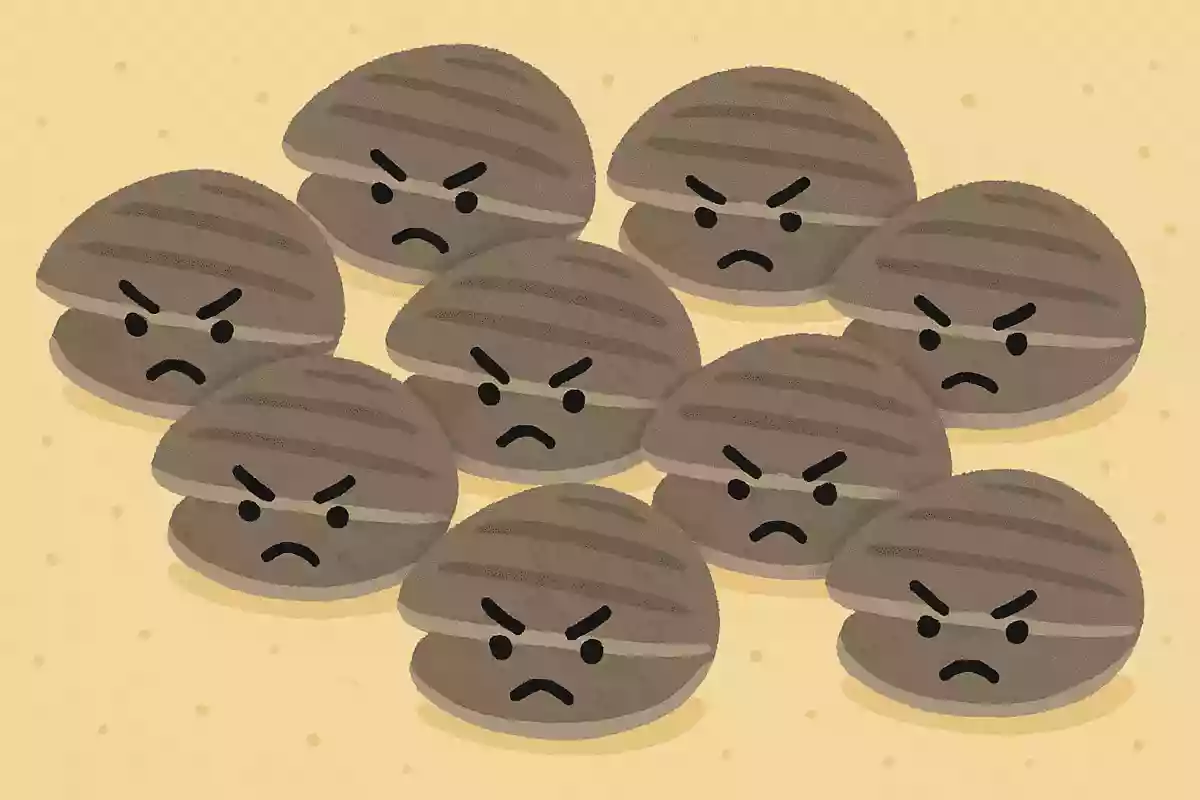
It’s a riddle that calls to mind Swimmy, the story where many small fish band together to drive away a big fish.
A shellfish that becomes scary when even ten of them gather… What do you imagine? This riddle doesn’t require much knowledge; it tests your flashes of insight, imagination, and point of view.
First, read the question carefully.
Then, rewrite the key words “shellfish” (kai) and “ten” (juu) into hiragana.
When you line them up, the name of a frightening creature should appear.
The answer is “kaijuu” (monster).