

Surprisingly, there’s a lot we don’t know? A quiz to learn trivia about May!


When you hear “May,” what comes to mind?
There are all kinds of events, like Golden Week and Mother’s Day.
It’s also a warm, comfortable time of year when hay fever finally starts to subside, making it perfect for outings and various leisure activities!
In fact, there are quite a few little-known facts about May that many people aren’t aware of.
This time, we’ll introduce a variety of trivia about May in quiz format—from things everyone knows to tidbits you’ll likely learn for the first time in this article!
Be sure to give it a try.
- [For Seniors] Introducing trivia related to May!
- Surprisingly unknown? A fun health trivia quiz that will make you want to try it
- [For Kids] Fun Facts & Trivia Quiz about Koinobori (Carp Streamers)
- Rainy season trivia roundup: fun facts you'll want to share with someone
- [For Seniors] Prevent Dementia with Brain Training! A May-Themed Quiz Collection
- [For Kids] Trivia & Fun Facts Quiz About June
- [Trivia] Did You Know? A Collection of Weather Proverb Quizzes!
- Trivia & fun facts about June
- Trivia about hydrangeas. A collection of fun facts related to ajisai (hydrangeas).
- Will you like May even more once you know? Fun May trivia elementary schoolers should know
- Recommended in March! A collection of surprising, little-known trivia that elementary school students will want to share
- [For Elementary School Students] A Three-Choice Dinosaur Quiz to Learn Trivia and Knowledge
- [For Elementary School Students] A Collection of Fun, Educational Quiz Ideas for Mother's Day
Surprisingly, there’s a lot we don’t know? A quiz to learn trivia about May! (1–10)
Does the law specify who we should express gratitude to on Children’s Day?
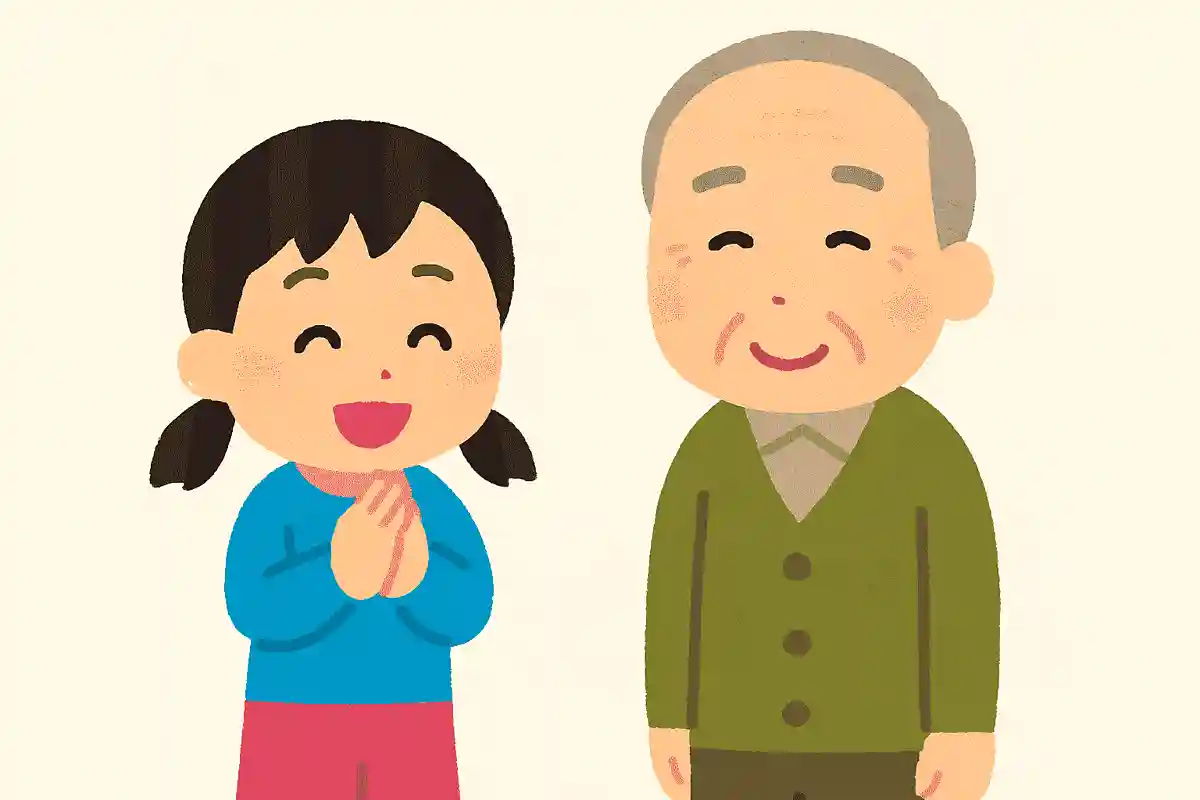
- mother
- grandparents
- siblings
See the answer
mother
Children’s Day is explicitly defined by law as a day to wish for children’s happiness and to express gratitude to mothers. Because May also includes Mother’s Day, it means there are two occasions to thank moms. Take this chance to clearly convey the feelings you don’t usually express!

What is the name of May in the lunar calendar?

- Kisaragi (the traditional Japanese name for the second month; February)
- Satsuki
- Hazuki
See the answer
Satsuki
In the old lunar calendar, the fifth month is called “Satsuki.” It is said that the name originates from “Satsuki” (literally “early month”), referring to drawing water into the rice paddies for planting. Additionally, the character “皐” carries the meaning of luxuriant growth, indicating that this is a season when fresh greenery is especially beautiful.

What is the origin of the name “Andes Melon,” a melon variety that is in season in May?
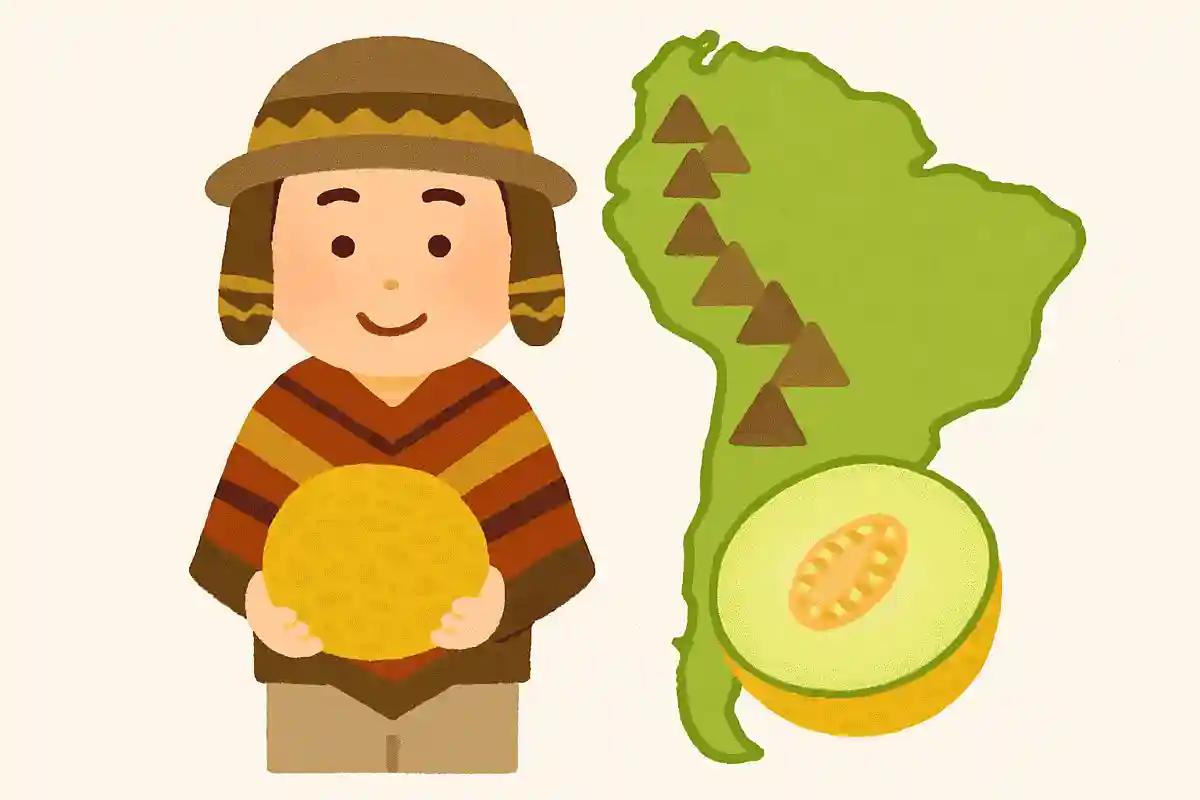
- It's safe, Melon.
- Andes Mountains
- Name of the person who developed the variety
See the answer
It's safe, Melon.
The Andes melon is a variety developed by a Japanese company that produces seeds and seedlings. The name comes from the idea that it is a melon that gives peace of mind to growers, sellers, and consumers alike—“anshin desu melon” (“it’s safe/安心ですメロン”), which was then shortened to “Andes melon” (Andesu meron/アンデスメロン).
Surprisingly, there’s a lot we don’t know? A quiz to learn trivia about May! (11–20)
What plant is floated in the bathtub during the Boys’ Festival (Tango no Sekku)?
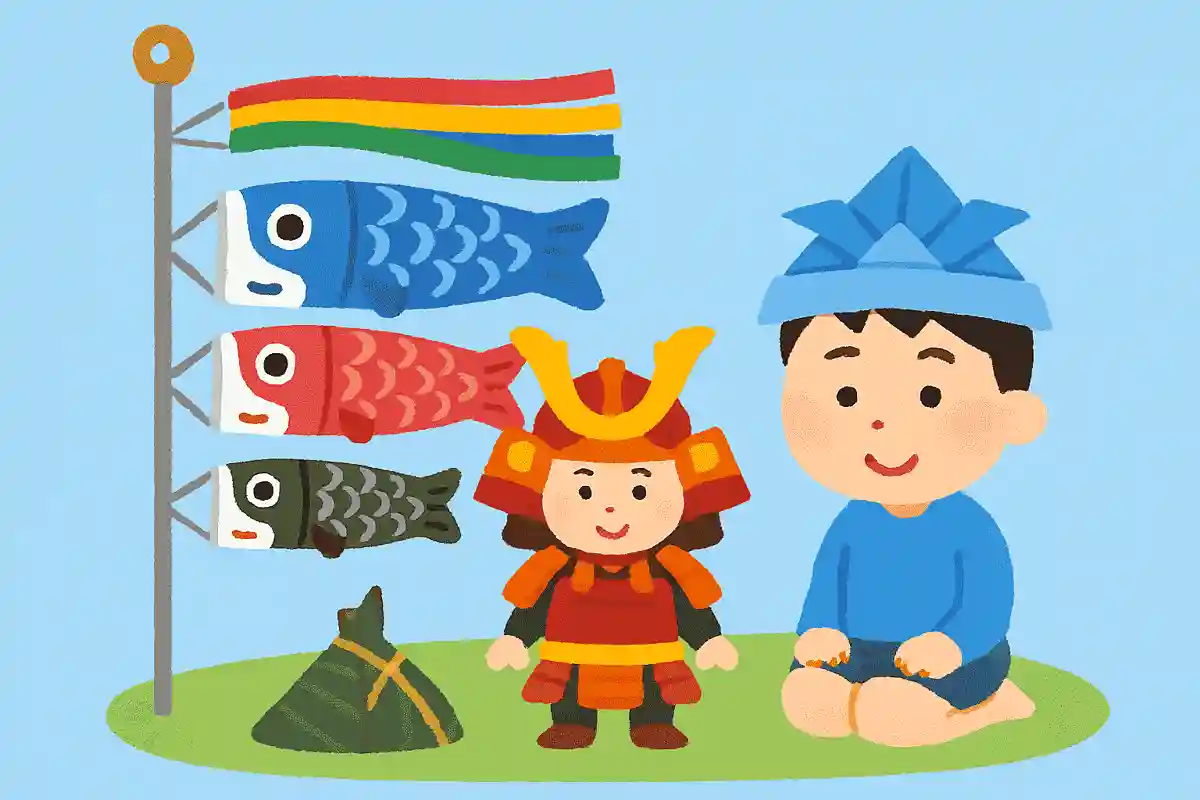
- cherry tree leaves
- iris
- plum leaf
See the answer
iris
On Children’s Day (Tango no Sekku), there is a custom of floating sweet flag (shōbu) leaves in the bath. This is called shōbu-yu and is believed to ward off evil and purify the body. Additionally, due to a play on words with shōbu meaning “victory,” it also carries the wish for children to grow up healthy and strong.
What is the birthstone for May?

- Ruby
- Emerald
- Sapphire
See the answer
Emerald
The birthstone for May is the emerald. Known for its vivid green color, the emerald has long been called the “stone of good luck” and the “stone that brings success.” It is also a symbol of love and wisdom.
What is the meaning behind kashiwa-mochi, the rice cakes eaten on Children’s Day?
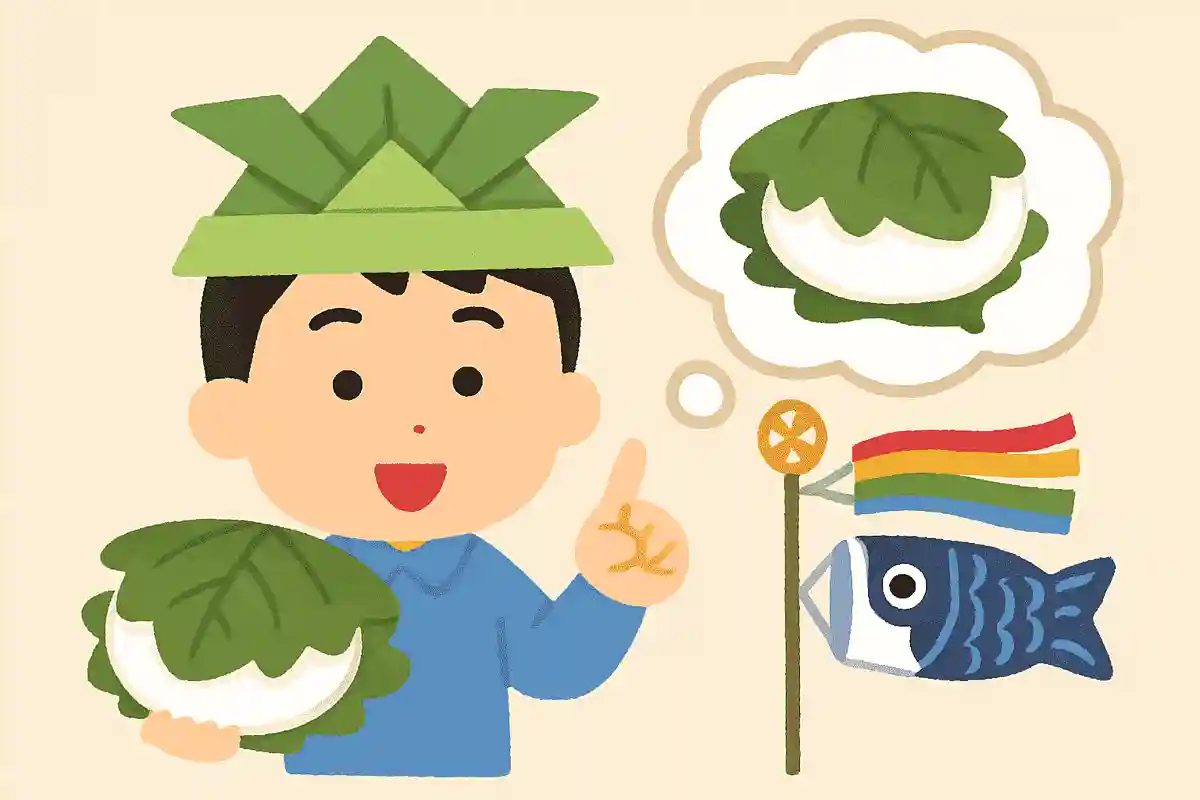
- Celebrate the birth of a new life
- Wishing for growth and health
- Wishing for longevity
See the answer
Wishing for growth and health
Kashiwa mochi eaten on Children’s Day carries the wish for children’s growth and good health. The oak leaf is known as one that does not fall until a new leaf grows, and from this trait comes the hope for “prosperity of descendants” and “no shortage of successors.” It also embodies the wish for children’s sound development. Eating kashiwa mochi on Children’s Day is considered one of the events that symbolize these wishes.
Which month used to be Mother’s Day in the past, if not May?

- January
- March
- October
See the answer
March
Mother’s Day is currently set on the second Sunday of May, but from when it was introduced in the late Meiji period until 1947, it was observed on March 6. This date was the birthday of Empress Kōjun, the consort of Emperor Shōwa. After the end of World War II, Japan adopted the same schedule as the United States, which remains in place today.