

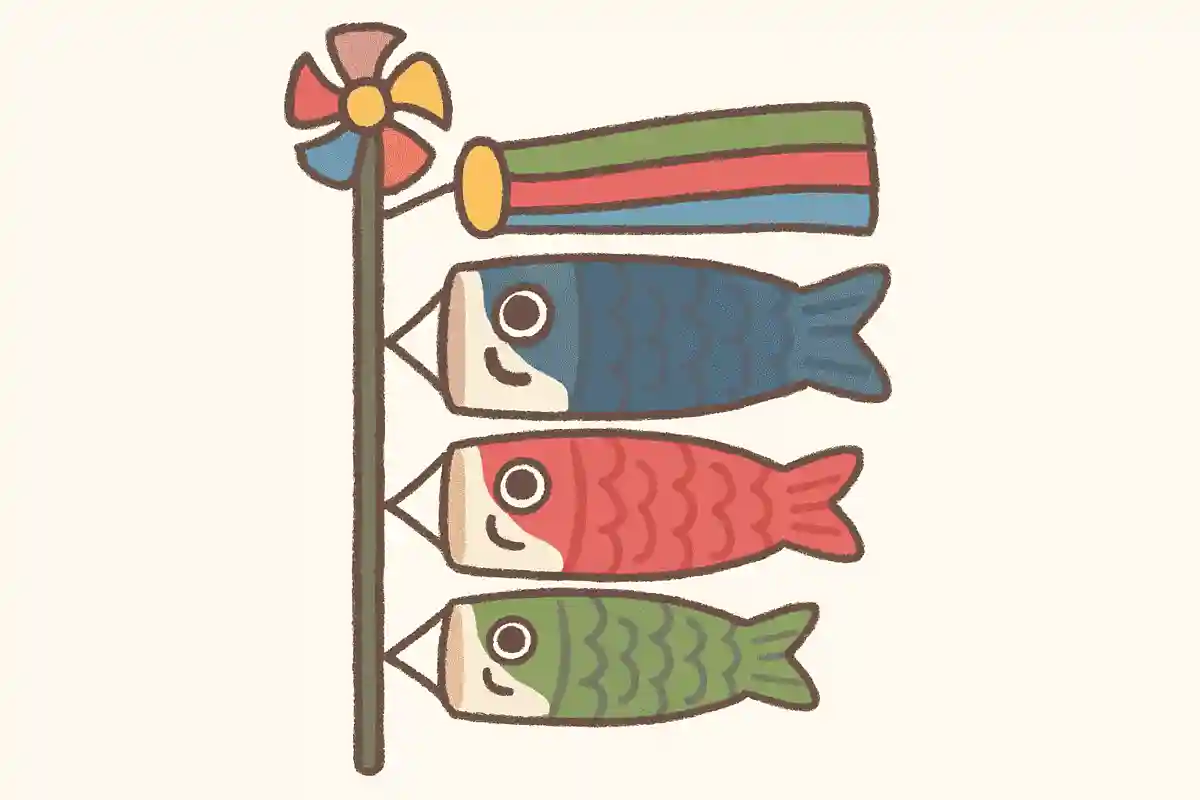


When you hear “May,” what comes to mind?
There are all kinds of events, like Golden Week and Mother’s Day.
It’s also a warm, comfortable time of year when hay fever finally starts to subside, making it perfect for outings and various leisure activities!
In fact, there are quite a few little-known facts about May that many people aren’t aware of.
This time, we’ll introduce a variety of trivia about May in quiz format—from things everyone knows to tidbits you’ll likely learn for the first time in this article!
Be sure to give it a try.
- [For Seniors] Introducing trivia related to May!
- Surprisingly unknown? A fun health trivia quiz that will make you want to try it
- [For Kids] Fun Facts & Trivia Quiz about Koinobori (Carp Streamers)
- Rainy season trivia roundup: fun facts you'll want to share with someone
- [For Seniors] Prevent Dementia with Brain Training! A May-Themed Quiz Collection
- [For Kids] Trivia & Fun Facts Quiz About June
- [Trivia] Did You Know? A Collection of Weather Proverb Quizzes!
- Trivia & fun facts about June
- Trivia about hydrangeas. A collection of fun facts related to ajisai (hydrangeas).
- Will you like May even more once you know? Fun May trivia elementary schoolers should know
- Recommended in March! A collection of surprising, little-known trivia that elementary school students will want to share
- [For Elementary School Students] A Three-Choice Dinosaur Quiz to Learn Trivia and Knowledge
- [For Elementary School Students] A Collection of Fun, Educational Quiz Ideas for Mother's Day
Surprisingly, there’s a lot we don’t know? A quiz to learn trivia about May! (1–10)
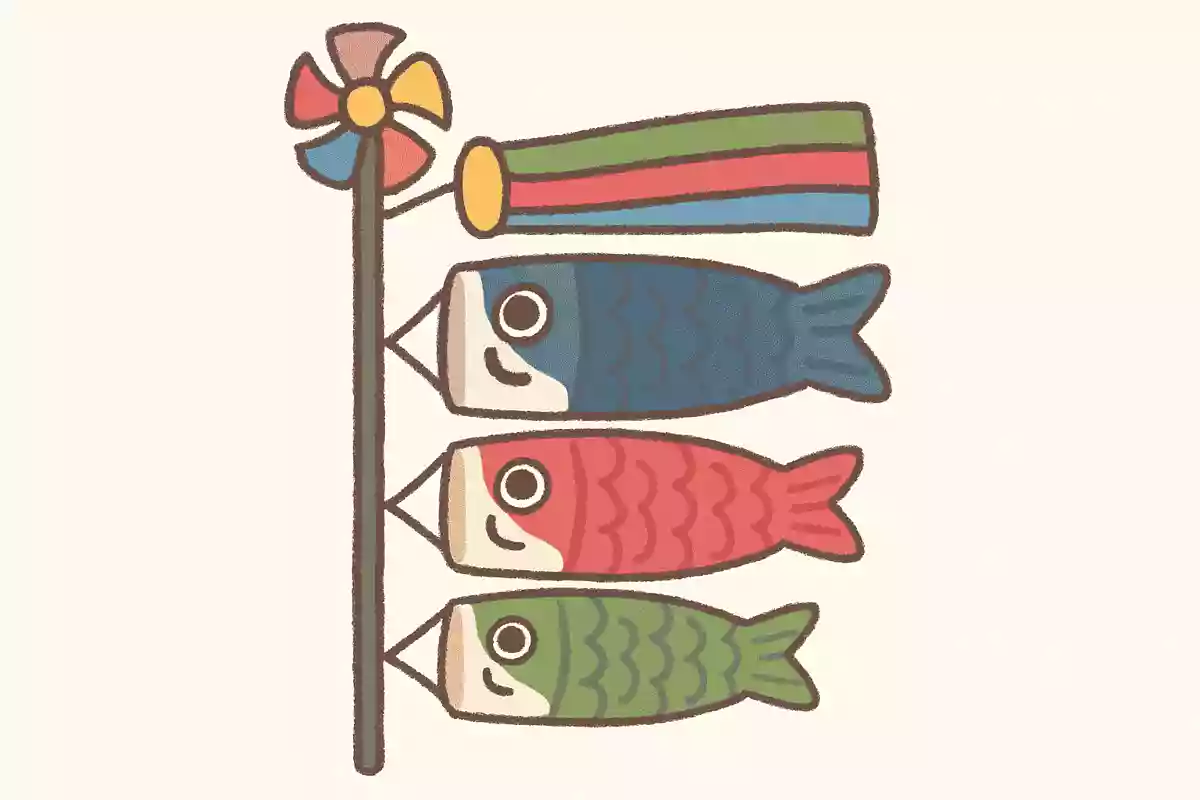
What were koinobori in the Edo period made of?
- cloth
- washi (traditional Japanese paper)
- plastic
See the answer
washi (traditional Japanese paper)
Today’s koinobori are mainly made from polyester and nylon, but in the Edo period they were made from washi paper. At that time, washi was produced widely, but production declined after the war, and koinobori evolved into their current form.

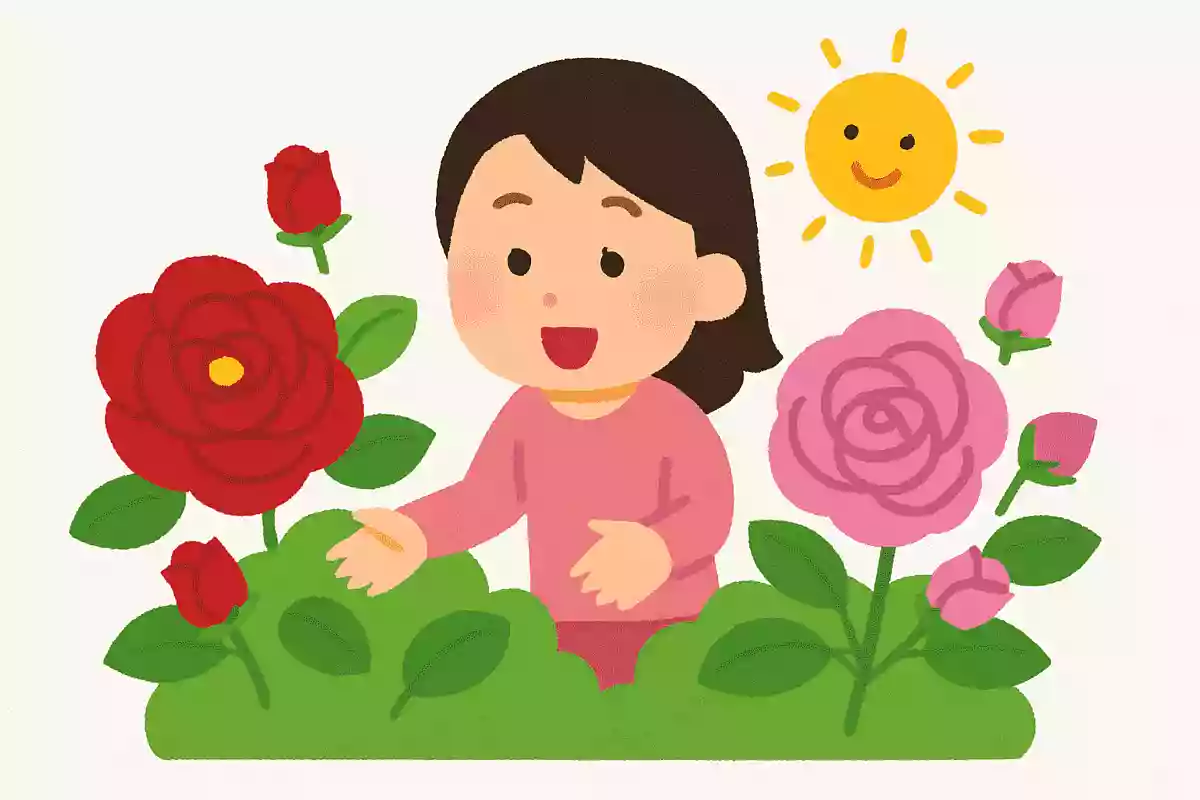
Besides color, what else changes the language of flowers for roses that bloom around May?
- Blooming period
- shape of a flower
- number of items
See the answer
number of items
The meaning of flowers can change depending on their color, but with roses, it can also change based on the number you give. For example, a single rose means “love at first sight,” 12 roses mean “please go out with me,” 99 roses mean “eternal love,” and 100 roses mean “100% love.”
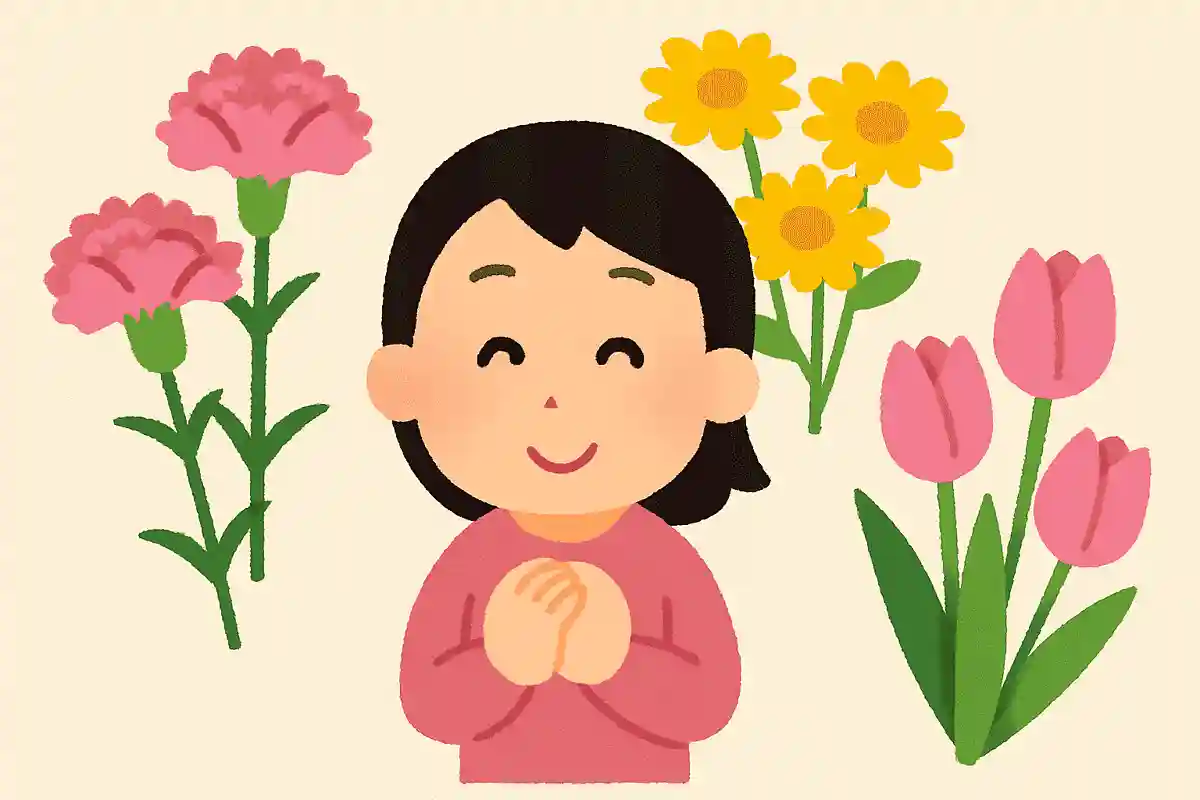
What flowers are given on Mother’s Day, the second Sunday of May?
- cosmos
- carnation
- Tulip
See the answer
carnation
The flower traditionally chosen for Mother’s Day is the carnation. In particular, red carnations symbolize “love and respect,” while white carnations are said to represent “pure love and gratitude.” The custom of giving carnations on Mother’s Day became widely known after Anna Jarvis in the United States began the practice in 1908 to honor the memory of her mother.

Which country is the origin of Mother’s Day?
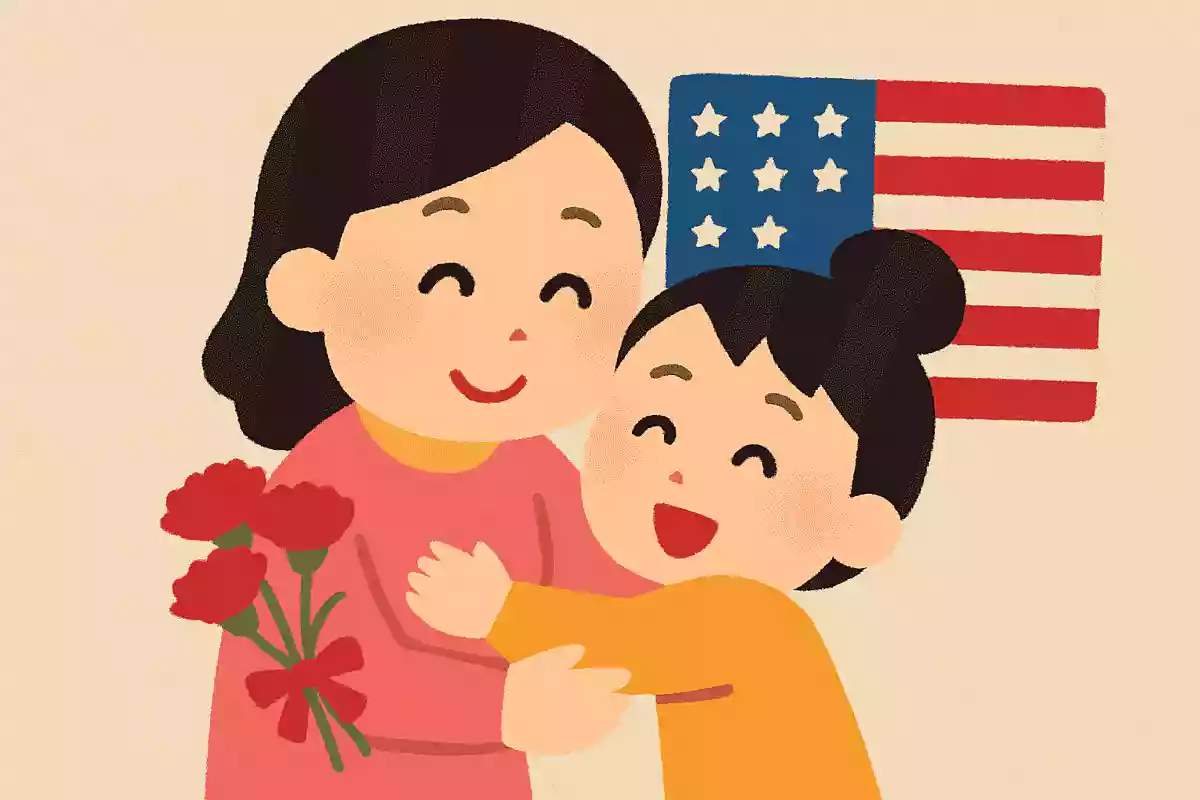
- America
- United Kingdom
- Japan
See the answer
America
Mother's Day is an event that originated in the United States. It began when a woman named Anna Jarvis lost her mother. In 1914, it was officially established as a national holiday in the U.S., and it was introduced to Japan in the late Meiji era.
What are the colors of the carp streamers from top to bottom?
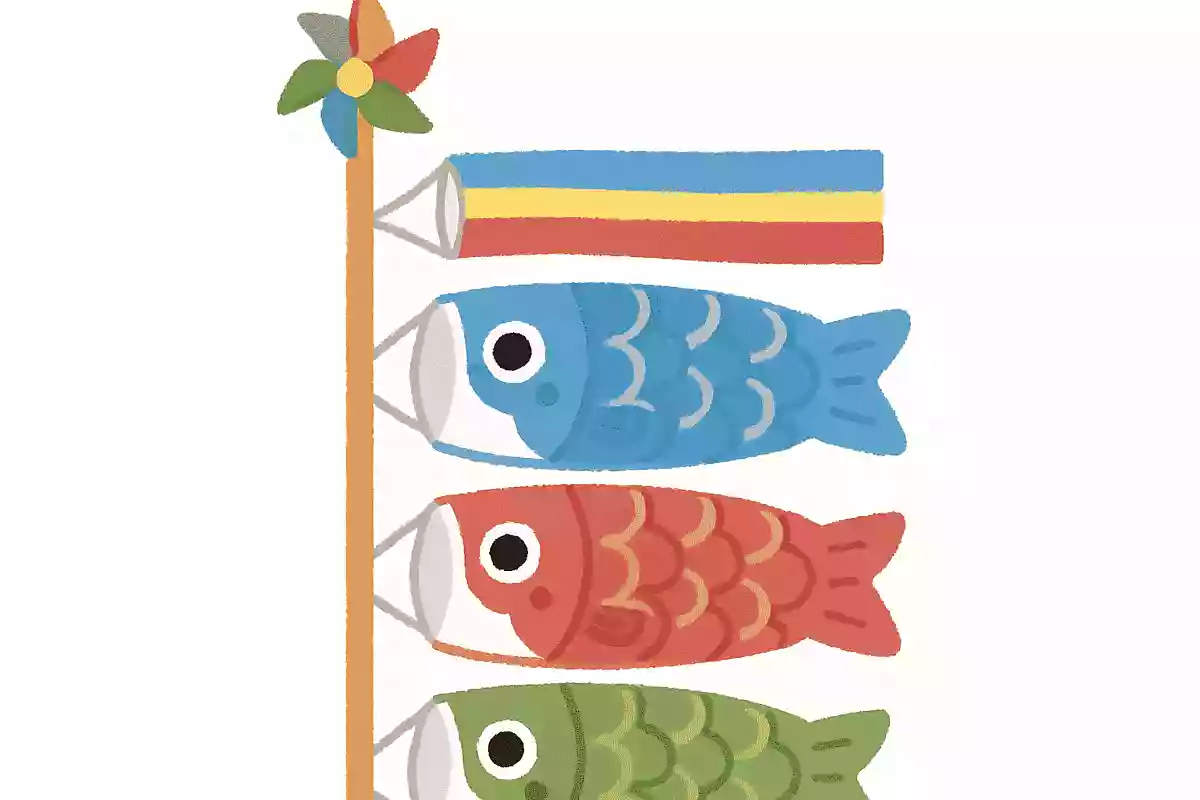
- Red, blue, green
- Blue, red, green
- Black, red, blue
See the answer
Black, red, blue
Koinobori are usually arranged from top to bottom as follows: the black koi (magoi) for the father, the red koi (higoi) for the mother, and the blue one representing the child. When koinobori first appeared, there was only a single black carp, and even into the Meiji era there were just two colors: black and red. Incidentally, in the Meiji period the red carp represented a child, not the mother.
What is the reason for displaying carp streamers on Children’s Day?
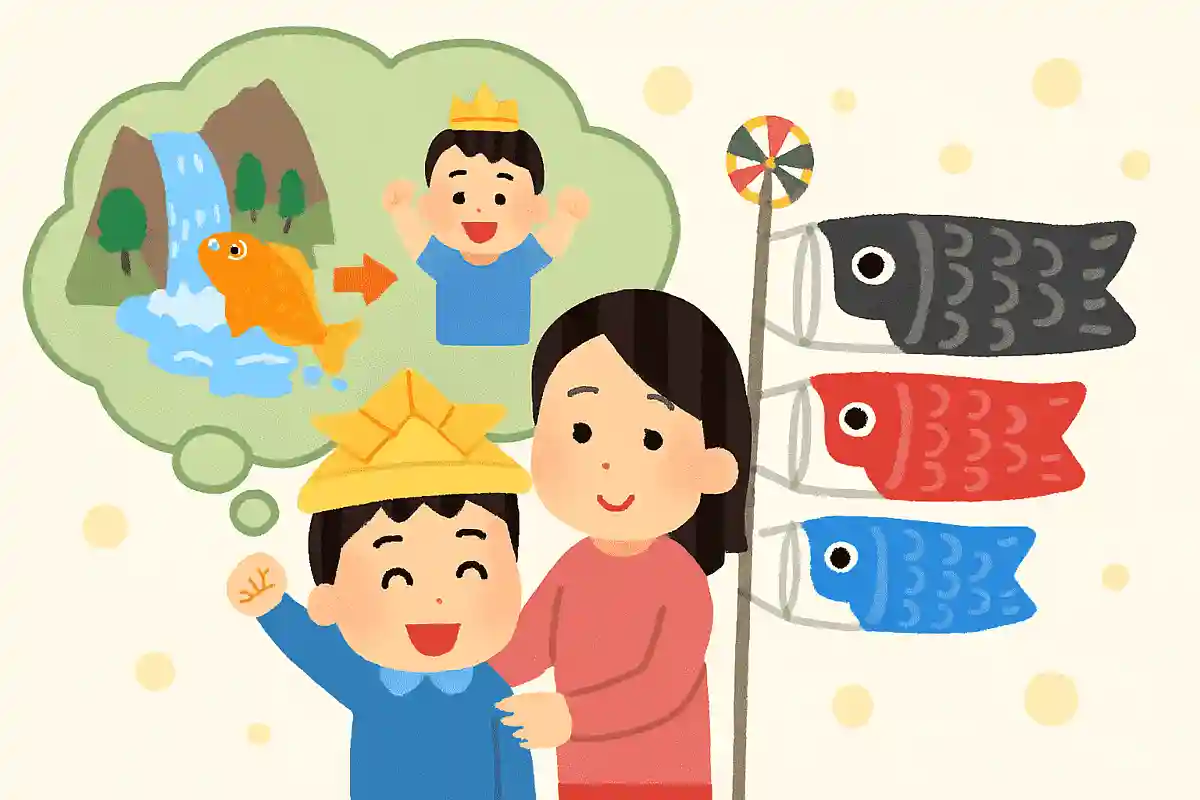
- From the legend that a carp overcomes every obstacle and becomes a dragon
- From the idea that koi are the longest-lived in the water
- From the folklore that carp have a positive effect on rice cultivation
See the answer
From the legend that a carp overcomes every obstacle and becomes a dragon
The reason carp streamers are displayed on Children’s Day comes from a legend in China that says a carp in the Yellow River becomes a dragon after swimming up to a place called the Dragon Gate. This legend is associated with children bravely facing and overcoming difficulties, and by displaying carp streamers, people express their wishes for children’s healthy growth and success.
What does NHK call Golden Week?
- Golden Week
- vacation
- long holiday period
See the answer
long holiday period
On NHK, when reporting about Golden Week in the news, they don’t say “Golden Week” but instead use the term “long holiday period.” This is said to have started in response to complaints from people who became busy after the oil shock and didn’t have time to take consecutive days off.