

Surprisingly, there’s a lot we don’t know? A quiz to learn trivia about May!


When you hear “May,” what comes to mind?
There are all kinds of events, like Golden Week and Mother’s Day.
It’s also a warm, comfortable time of year when hay fever finally starts to subside, making it perfect for outings and various leisure activities!
In fact, there are quite a few little-known facts about May that many people aren’t aware of.
This time, we’ll introduce a variety of trivia about May in quiz format—from things everyone knows to tidbits you’ll likely learn for the first time in this article!
Be sure to give it a try.
- [For Seniors] Introducing trivia related to May!
- Surprisingly unknown? A fun health trivia quiz that will make you want to try it
- [For Kids] Fun Facts & Trivia Quiz about Koinobori (Carp Streamers)
- Rainy season trivia roundup: fun facts you'll want to share with someone
- [For Seniors] Prevent Dementia with Brain Training! A May-Themed Quiz Collection
- [For Kids] Trivia & Fun Facts Quiz About June
- [Trivia] Did You Know? A Collection of Weather Proverb Quizzes!
- Trivia & fun facts about June
- Trivia about hydrangeas. A collection of fun facts related to ajisai (hydrangeas).
- Will you like May even more once you know? Fun May trivia elementary schoolers should know
- Recommended in March! A collection of surprising, little-known trivia that elementary school students will want to share
- [For Elementary School Students] A Three-Choice Dinosaur Quiz to Learn Trivia and Knowledge
- [For Elementary School Students] A Collection of Fun, Educational Quiz Ideas for Mother's Day
Surprising how much we don’t know? A quiz to learn trivia about May! (21–30)
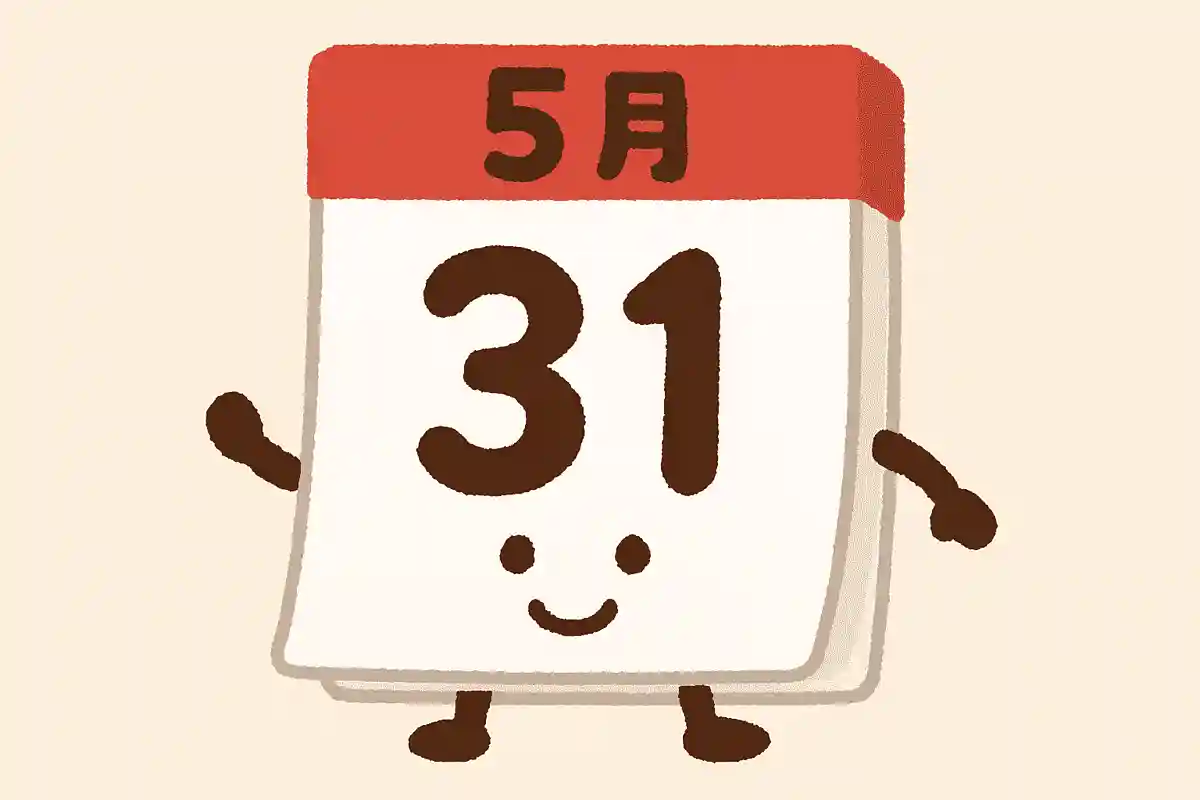
What is the last day of May?
- 30 days
- 31st
- 28th
See the answer
31st
May has 31 days. This follows the rule in the Gregorian calendar that July and the preceding odd-numbered months have 31 days. Therefore, the last day of May is the 31st.

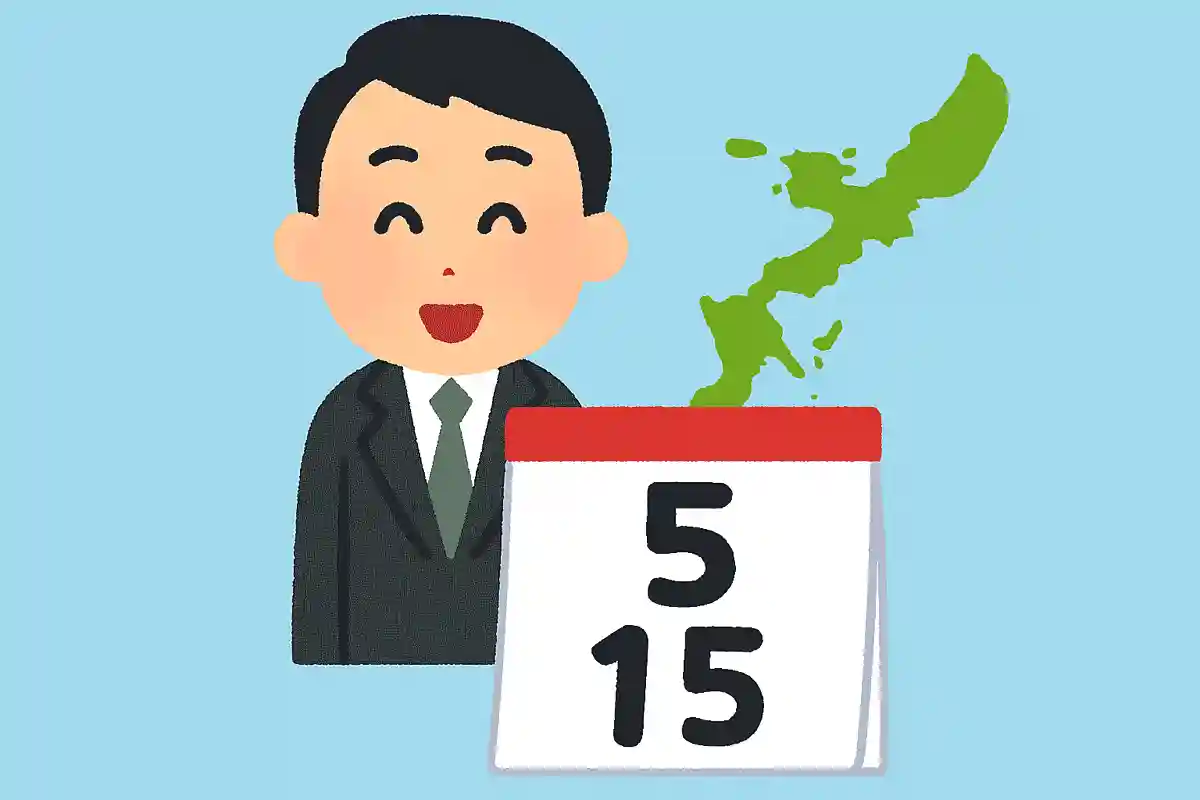
On what day in May 1972 was Okinawa returned to Japan?
- May 12
- May 15
- May 30
See the answer
May 15
Okinawa was under U.S. administration for 27 years as a result of World War II. Later, on May 15, 1972, Okinawa was returned to Japan as Japanese territory. Until the reversion, people reportedly needed a passport to travel to and from mainland Japan, used a different currency, and experienced lifestyles and cultures that differed from those on the mainland.

What does “satsuki-bare” (literally, May weather) mean?

- crisp and clear
- Very hot and sunny
- A characteristically clear day under a pristine sky
See the answer
A characteristically clear day under a pristine sky
“Satsukibare” refers to the refreshingly clear, sunny weather characteristic of this time of year, as spring deepens and we head toward summer under a cloudless sky. The word evokes an image of a stretch of calm, pleasant days filled with fair weather.
Which company helped popularize Mother’s Day?

- Fujiya
- Morinaga Confectionery
- Meiji
See the answer
Morinaga Confectionery
Mother’s Day was introduced to Japan around the late Meiji period, but it didn’t initially take root. However, after Morinaga confectionery held an event called the “Morinaga Mother’s Day Convention” in 1937, it became widely known in Japan.
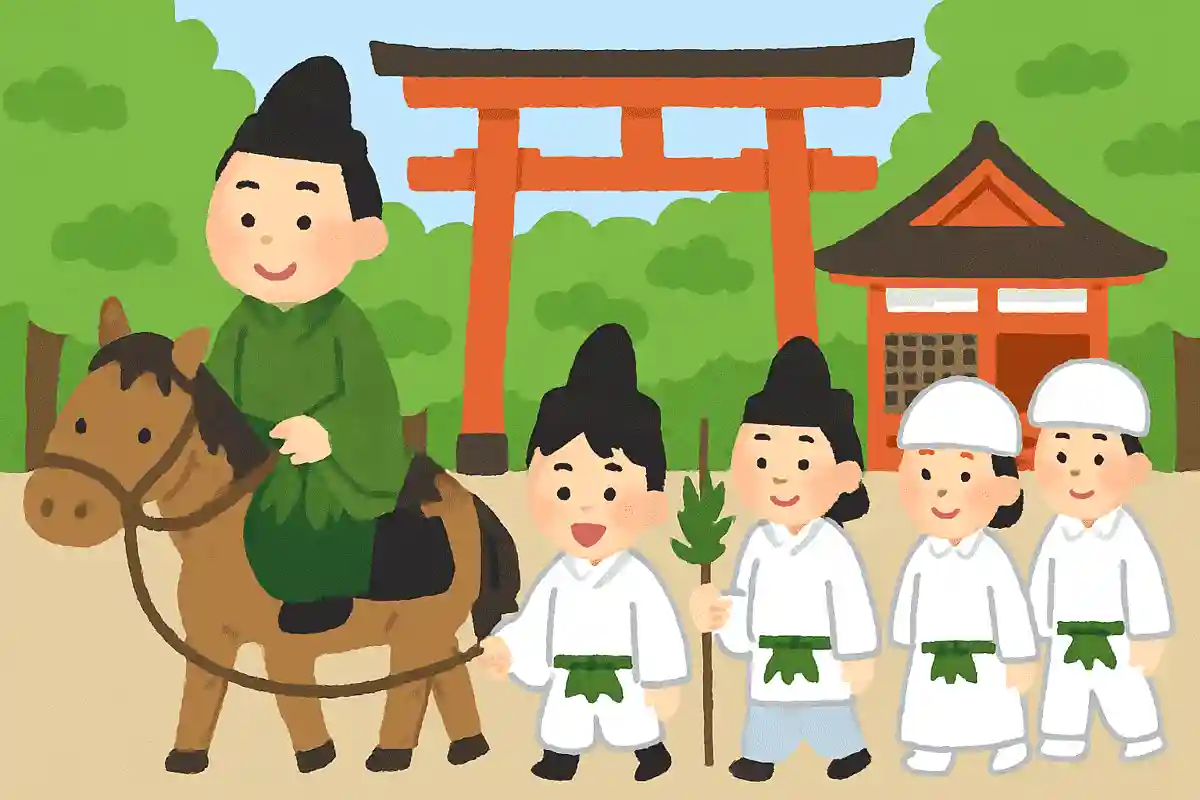
What is the festival held at Shimogamo Shrine and Kamigamo Shrine in Kyoto in May?
- Gion Festival
- Aoi Festival
- Jidai Matsuri (Festival of the Ages)
See the answer
Aoi Festival
The festival held every May at Shimogamo Shrine (Kamo Mioya Shrine) and Kamigamo Shrine (Kamo Wakeikazuchi Shrine) is the Aoi Matsuri. Along with the Gion Festival and the Jidai Festival, it is considered one of Kyoto’s three major festivals. The sight of participants dressed in Heian-period attire processing in a grand parade is truly spectacular.
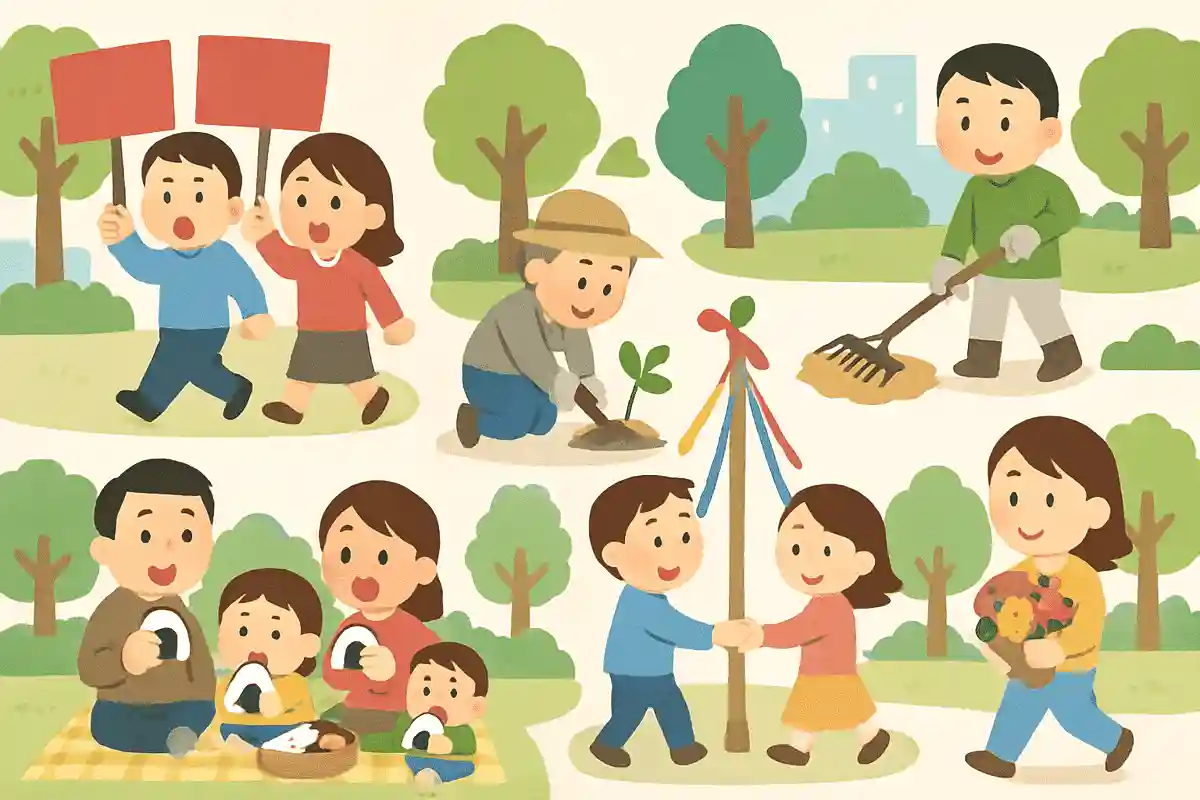
What kind of activities are done on May 1st, “May Day”?
- A day to hold an anti-war demonstration
- A day to advocate for workers' rights
- A Day to Think About the Future of Earth's Environment
See the answer
A day to advocate for workers' rights
May 1st, “May Day,” is an international holiday held to advocate for workers’ rights and call for improvements in working conditions. Alongside the labor movement, parades and demonstrations are held in many countries.
What are mandarins that are in season around May called?
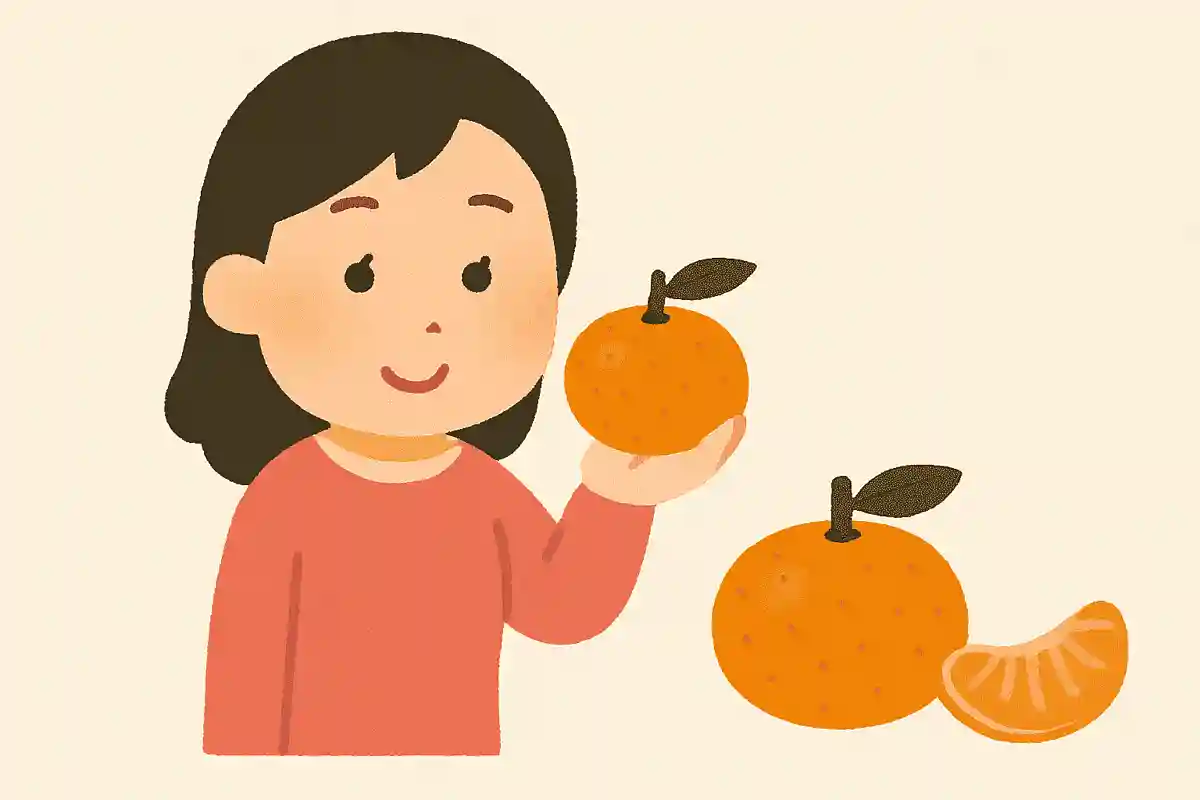
- summer orange
- spring mandarin
- May mandarin (satsuma)
See the answer
summer orange
Mikan that reach their peak season around May are called “natsu-mikan” (summer mikan). If the fruit is left on the tree without being harvested, the following year you can see both the newly grown fruit and the fruit from the previous year on the same tree. Because this suggests that the harvest continues across generations, the formal Japanese name is “Natsu-daidai.”