

Mendelssohn’s Masterpieces | Popular Classical Music

Mendelssohn, a composer who represents German Romanticism.
He was active not only as a composer but also as a pianist and conductor, and from a young age he possessed such musical talent that he was called a child prodigy.
In this article, we introduce some of the masterpieces Mendelssohn left behind.
Whether you’re a fan of Mendelssohn or not very familiar with him, please take a look.
We hope you’ll notice the characteristics and charm of his style and discover some new favorite pieces.
If you play an instrument or sing, do try performing them yourself!
- [Masterpiece Classics] A special showcase of gem-like masterpieces so beautiful they’ll move you to tears
- [Orchestra] Introducing famous and popular pieces
- [Quartet] Masterpieces and Popular Pieces for String Quartet
- [Violin] A curated selection of beloved classic masterpieces and popular pieces that continue to be cherished across eras
- Sibelius’s famous piece. Popular classical music.
- Brahms's masterpieces. Popular classical music.
- Classical Masterpieces: Recommended Works You Should Hear at Least Once
- Classical music by Japanese composers. Recommended classical music.
- Elgar’s masterpiece. Popular classical music.
- [Haydn] Pick up famous and representative pieces!
- Masterpieces of classical piano that are too beautiful for words. A gathering of delicate tones that cleanse the soul.
- Robert Schumann | Introduction to his famous and representative works
- Pick up Beethoven’s famous and representative works!
Mendelssohn’s Masterpieces | Popular Classical Music (91–100)
Songs Without Words, Book II, Op. 30, No. 1: MeditationFelix Mendelssohn
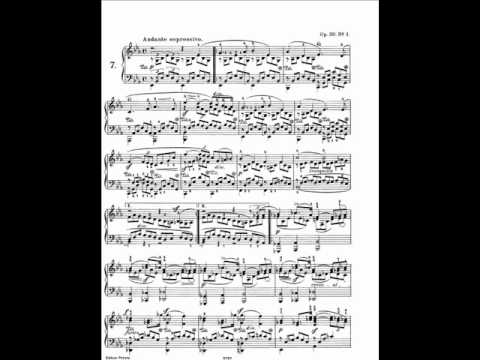
This work, notable for its slow and gentle melody in E-flat major, is one of the pieces from the Songs Without Words published in Bonn in May 1835.
Evoking the atmosphere of quiet meditation, it combines rich lyricism with relatively modest technical demands.
Cast in ternary form, it features a coherent structure and simple yet profound emotional expression, making it a valuable teaching piece for developing a pianist’s expressiveness.
It is an ideal choice for those looking to broaden their repertoire or seeking a calm, reflective piece.
Livia Rév’s 1986 recording received France’s Grand Prix du Disque and is highly acclaimed for its delicate interpretation.
Songs Without Words, Book II, Op. 30, No. 3, ConsolationFelix Mendelssohn

Although Songs Without Words is relatively easy and often used as practice material for children, the level of difficulty does vary somewhat across its 48 pieces.
This Consolation from Book II, Op.
30 is likely among the easiest, making it an ideal choice for your first foray into the collection.
While the piece does not have a complex structure, be sure to pay close attention to slurs and dynamic markings as you play.
It tends to be a rather subdued work and can easily be rendered too plainly, but if you keep a calm, unhurried tempo—without letting it become too slow—and add clear, thoughtful expression in key spots, you’ll be able to bring out the music’s refined beauty.

Mendelssohn’s Masterpieces | Popular Classical Music (101–110)
Songs Without Words, Book II, Op. 30, No. 6: Venetian Boat SongFelix Mendelssohn

This is a piece included in Mendelssohn’s Songs Without Words.
Mendelssohn is said to have been fond of the wistful melodies sung by Venetian gondoliers, and the gently undulating waves and the accompanying motion of the boat are expressed through a relaxed, flowing melody.
Songs Without Words, Book III, Op. 38, No. 4: HopeFelix Mendelssohn

This is a charming piece with a calm, approachable melody.
Carefully selected from the album Songs Without Words, it features a graceful tune in A major that resonates deeply.
While tranquil, it carries an air of hope, with the right-hand melody and left-hand accompaniment blending beautifully.
There is little hand crossing, and the score is simple, so with steady, unhurried practice, you will be able to play it confidently.
Published in 1837 and intended for home performance, this work offers a joyful way to practice while refining delicate expressive skills.
Start by firmly grasping the melodic line, then gradually deepen your expression to cultivate a rich musicality.
Songs Without Words, Book 4, Op. 53 No. 1 “By the Seashore”Felix Mendelssohn

A quiet, poetically rich piano piece that evokes the gentle swell of waves and the murmur of a sea breeze.
Written in A-flat major, it was published in 1841 as the first piece of Album ‘Songs Without Words’ Book 4.
Its graceful sound world, woven from transparent harmonies and a beautiful melody, makes you feel as if a seaside landscape is unfolding before your eyes.
Though simple, it demands delicate expressiveness; with slow, careful practice, it can certainly be mastered.
It is an ideal piece for those who wish to practice in a relaxed atmosphere or to refine their expressive skills.
Songs Without Words, Book 4, Op. 53 No. 2 “Floating Clouds”Felix Mendelssohn

While the structure—melody in the right hand and accompaniment in the left—is simple, its flowing lines evoke clouds drifting across the sky, making it a beautiful piece.
Although considered intermediate in difficulty, careful, unhurried practice will certainly make it attainable.
Included in the album Songs Without Words, the work captivates with its graceful atmosphere and poetic expression.
It calls for the rich expressiveness characteristic of the Romantic era and a delicate touch, yet since its publication in 1841 it has remained a beloved classic.
With its gentle melody and rhythm, it’s a calming piece well-suited to home performance.
Songs Without Words, Book 4, Op. 53 No. 4, Sorrow of the HeartFelix Mendelssohn

From the piano collection Songs Without Words, whose delicate, introspective melodies touch the heart, this piece stands out for the serene beauty of its Adagio.
Its gently flowing line carries deep sorrow and melancholy; published in 1841, the work remains calm while containing powerful emotional expression.
As the right hand sings a graceful melody, the left hand supports it softly, like a heartbeat.
Suited to a composed, reflective performance, it is recommended for those who want to fully savor the allure of Romantic music and value nuanced expression.
Despite its simple structure, it offers rich musicality.