

Fun facts you’ll want to share! A special feature on November trivia and tidbits


November brings a deepening sense of autumn and a hint of chill in the air.
It’s a season packed with Japan’s traditional events and seasonal delights—like autumn foliage viewing, sweet potato picking and other harvest treats, Shichi-Go-San, and Culture Day.
Did you know that November hides plenty of surprising little facts close at hand? From the history behind each event to tidbits about seasonal flavors and even trivia about the changing leaves.
In this article, we’ll share general-interest trivia and fun facts about November that you’ll want to tell someone about.
Let’s explore the many-layered charms of November together—the more you learn, the deeper it gets!
- [For Kids] November Trivia Quiz & Fun Facts: Let’s Learn While Having Fun!
- So interesting you’ll want to tell someone! December Trivia & Fun Facts Special
- A roundup of personality quizzes related to November as autumn deepens
- A quiz of fun trivia: bite-sized knowledge that leads to new insights.
- [For Kids] December Trivia Quiz & Fun Facts! Learn about seasonal events and traditions!
- Fun October Trivia Quiz & Facts! Exciting Questions for Kids
- Trivia and fun facts about food (summary)
- Fun facts you’ll want to share! A roundup of October trivia and tidbits
- Will you like May even more once you know? Fun May trivia elementary schoolers should know
- Fun facts about the Moon. A rapid-fire quiz!
- A collection of trivia and fun facts about August that will warm your heart
- September Trivia Quiz & Fun Facts! A Fun Autumn Quiz for Kids
- Recommended activities and recreational games for November: A collection of ideas to enjoy autumn
So interesting you’ll want to tell someone! November Trivia & Fun Facts Special (1–10)
Flowers that bloom in autumn, a season when they normally do not bloom, are called “kaeribana” (returning flowers).
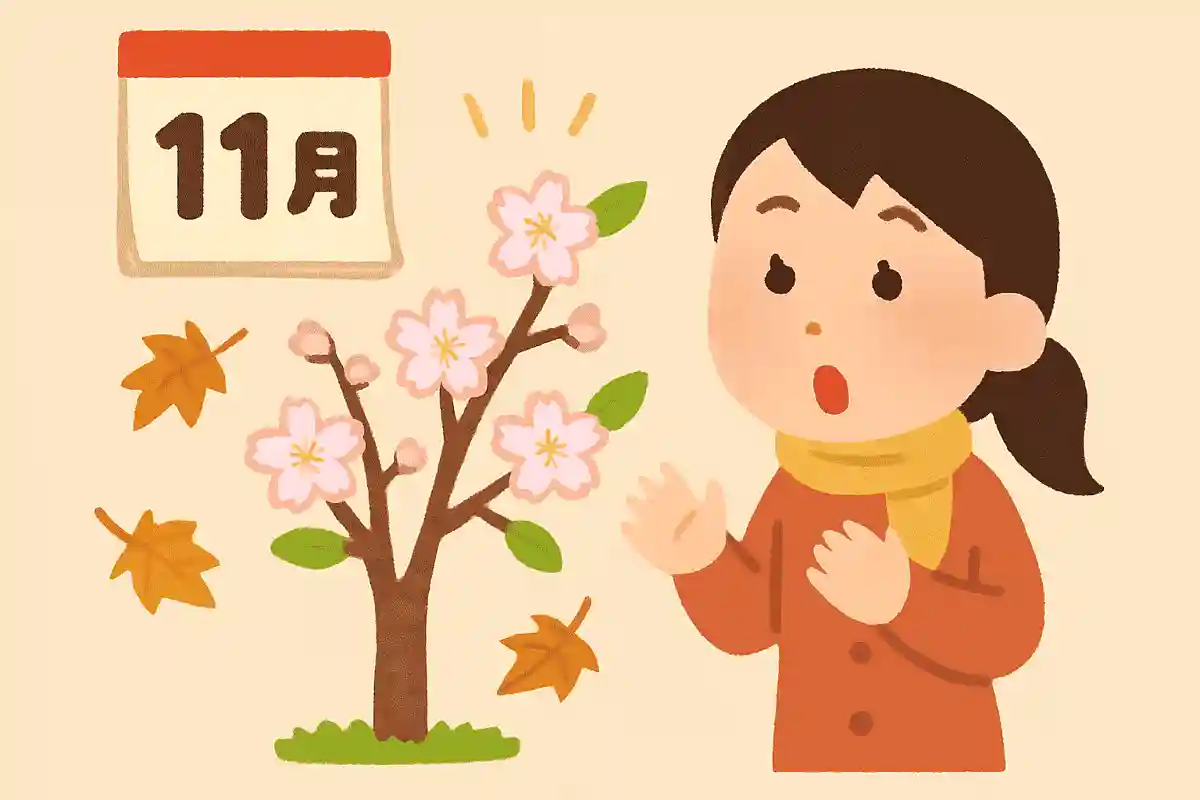
Kae-ribana refers to flowers that unexpectedly bloom in autumn rather than in the spring or summer when they are meant to blossom.
Flowers that seem to mistake the season due to changes in temperature or weather have a certain fleeting beauty and charm.
Blossoming in the chill as winter approaches, they present a scene that could be called nature’s whim, and they have long been cherished as subjects in haiku and waka.
Encountering a single out-of-season bloom evokes a curious feeling while conveying the vitality of nature.
It is an elegant word that evokes the depth of autumn’s atmosphere and the rich, scenic landscapes of Japan.

In the old Japanese calendar, November is called Shimotsuki.
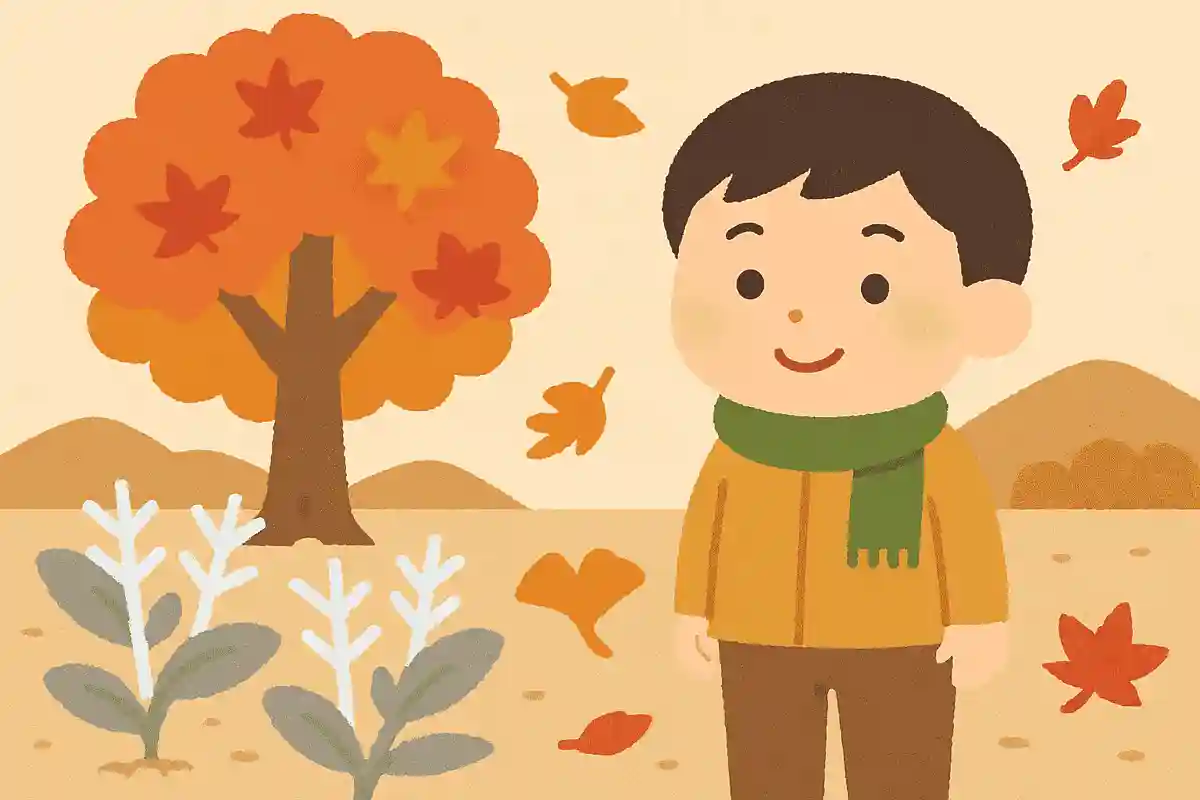
November is called Shimotsuki in the old Japanese lunar calendar because it’s the cold season when frost begins to form.
Around this time, the chill intensifies, especially in the mornings and evenings, and frost starts to appear; this scene is what gave the month its name.
In the past, Shimotsuki came with various customs, such as beginning winter preparations, storing food and supplies for the cold months, and getting ready for the year’s end.
Today, thanks to advances like heating appliances, we feel the cold less acutely, but the word Shimotsuki itself shows how people once lived wisely in tune with nature’s changes.

The name of the sweet potato comes from Satsuma, the old name for Kagoshima.
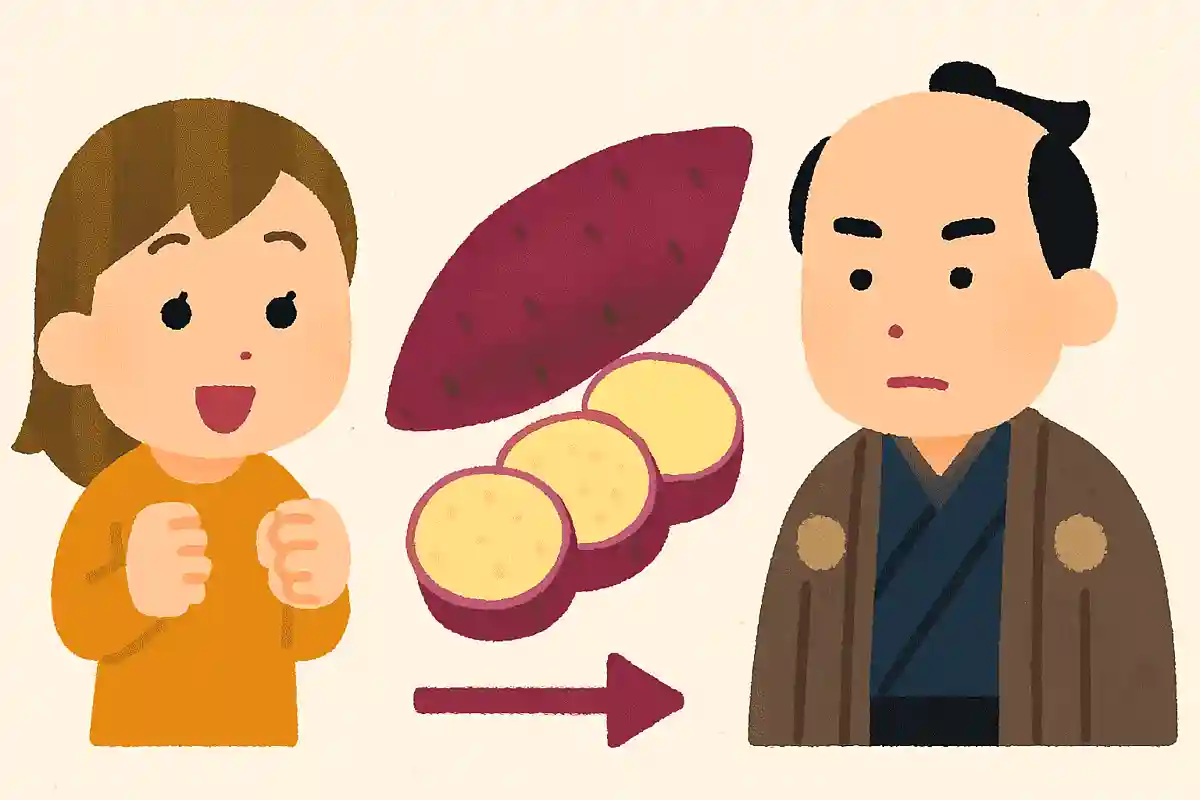
Sweet potatoes arrived in Okinawa via China and were then introduced to Kagoshima.
Because they are highly nutritious and keep well, the Satsuma domain prioritized sweet potatoes as a crop for famine relief.
It is said that they actively worked to spread them nationwide by teaching other domains how to cultivate them and sharing seedlings.
For these reasons, the sweet potato became widely known across Japan as an “imo” from Satsuma, and came to be called “satsumaimo.” Depending on the region, it is also known by various names such as “karaimo” and “kansho.”
You’ll Want to Share These Fun Facts! November Trivia & Tidbits Special (11–20)
The release date of Beaujolais Nouveau is the third Thursday of November.
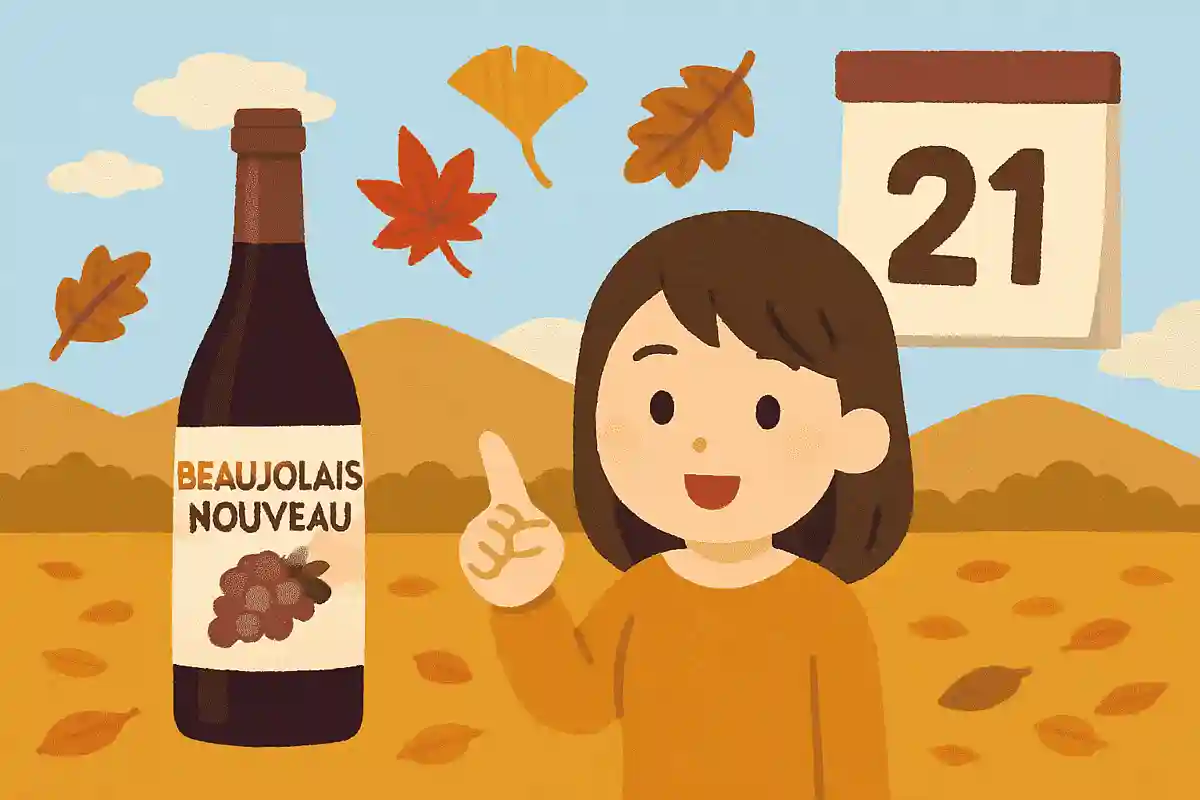
For those who love Beaujolais Nouveau wine, it’s an eagerly awaited event.
It’s said that fixing the release date to the third Thursday of November helps prevent a race to release wines early at the expense of quality, and by unifying the harvest period and allowing time for maturation, it helps maintain consistent quality.
It’s also said the date was standardized so wine lovers around the world can celebrate the release together.
It pairs well with everyday meals, and as a fruity wine, it’s recommended to drink it chilled.
Shichi-Go-San used to be held as separate ceremonies in the past.
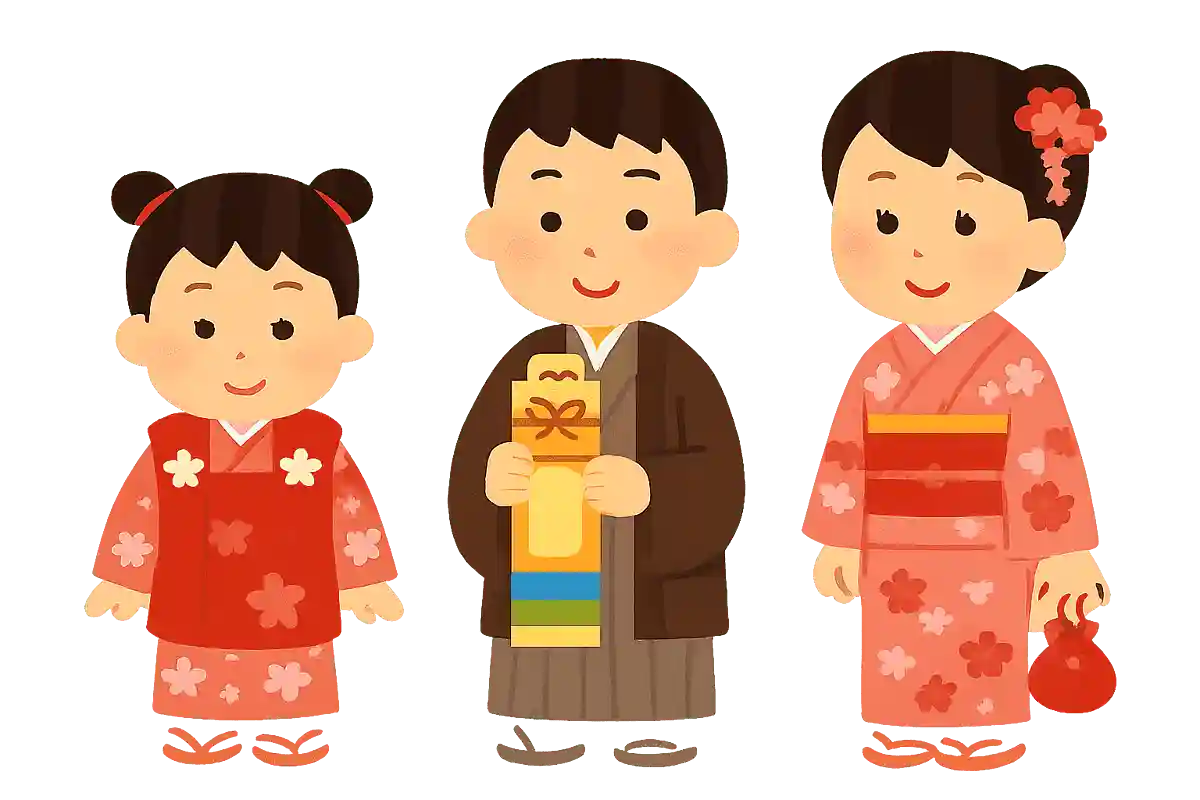
Shichi-Go-San is a day when the whole family celebrates and prays for their child’s healthy growth.
In the past, the events were separate: at age three, the “Kamioki no Gi” (ceremony of letting the hair grow); at age five, the “Hakamagi no Gi” (ceremony of donning a hakama); and at age seven, the “Obitoki no Gi” (ceremony of beginning to wear an obi).
From the Edo period onward, it’s said that these three distinct ceremonies were combined into a single event and collectively came to be called Shichi-Go-San.
Shichi-Go-San is observed every year on November 15.
There are various theories, but it’s said this date was chosen because November 15 corresponded in the old lunar calendar to the full moon day in the “Month of the Rat,” which was considered auspicious.
There are two birthstones for November: topaz and citrine.
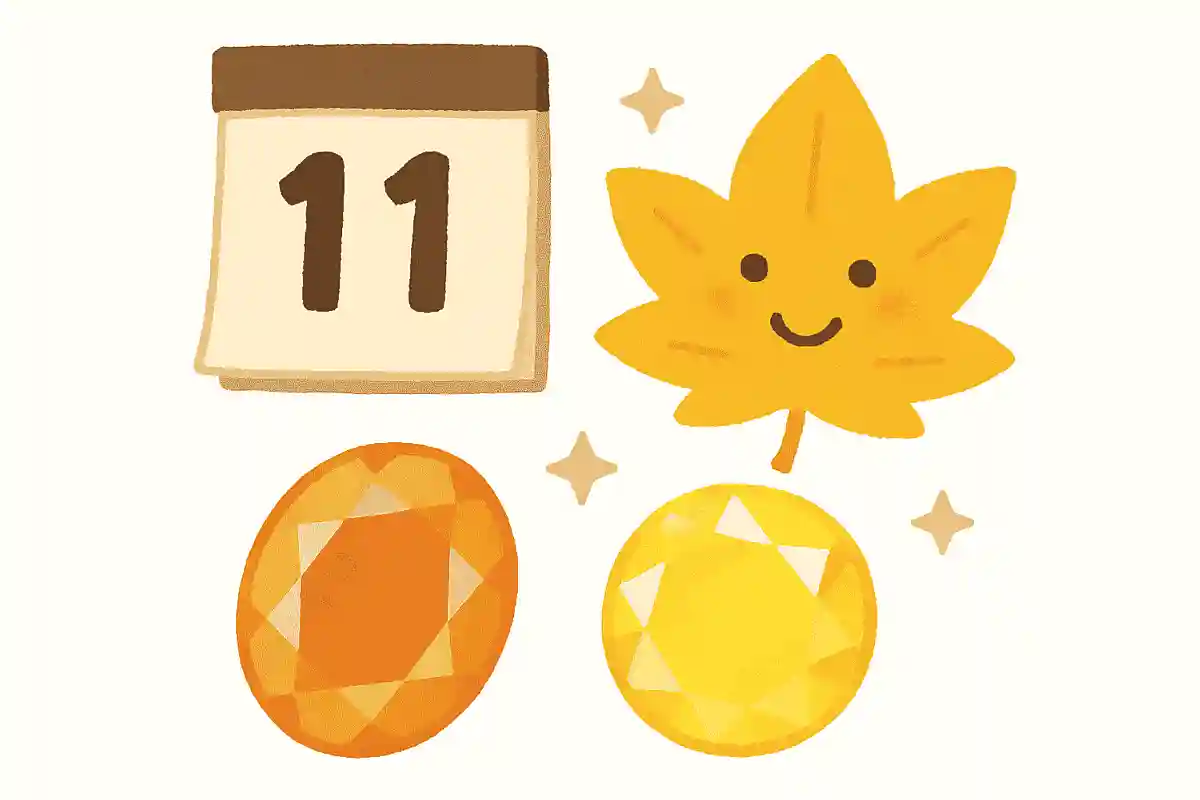
There was a time in the past when topaz and citrine were thought to be the same type of gemstone.
Because of that, it seems there wasn’t a clear decision about which one should be the birthstone for November.
Topaz is a gemstone with a wide range of colors and high transparency, and in ancient Greece its name is said to have originated from a word meaning “to seek.” On the other hand, citrine is known for its warm, sun-like glow, and it’s said to derive its name from the fruit “citron,” due to its lemon-like color.
If you come across November’s birthstone, be sure to remember this.
Matsutake mushrooms, which are in season in November, have different names depending on their growth stage.
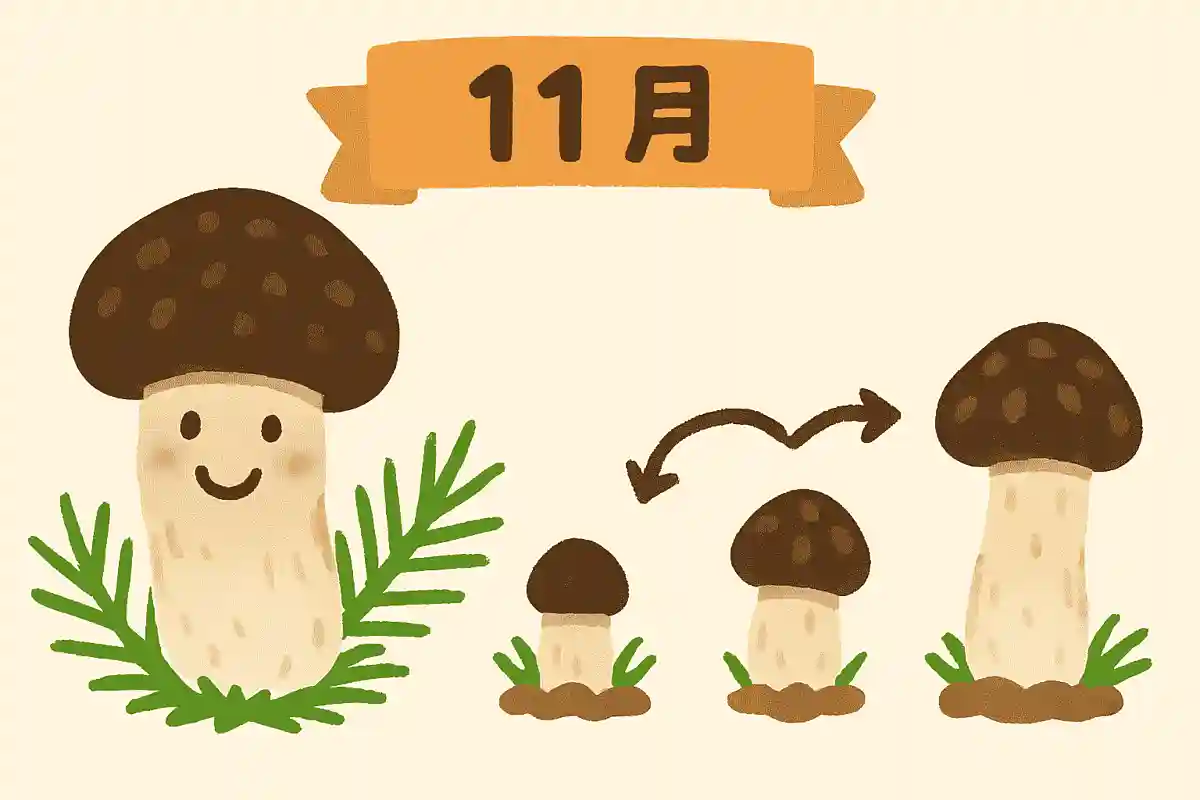
Matsutake mushrooms, which are in season in November, are prized for their refined aroma and are a popular, quintessentially Japanese luxury ingredient.
As they grow, their shape and fragrance change, and each growth stage has a distinctive name: “koro,” “tsubomi,” and “hiraki.” These names arose because the mushrooms’ shape changes markedly with growth, the intensity of their aroma shifts, and even their texture evolves.
When choosing matsutake, look for ones with thick, meaty stems and caps whose underside veil is still intact—these are considered fresh and are recommended.