

Fun facts you’ll want to share! A special feature on November trivia and tidbits


November brings a deepening sense of autumn and a hint of chill in the air.
It’s a season packed with Japan’s traditional events and seasonal delights—like autumn foliage viewing, sweet potato picking and other harvest treats, Shichi-Go-San, and Culture Day.
Did you know that November hides plenty of surprising little facts close at hand? From the history behind each event to tidbits about seasonal flavors and even trivia about the changing leaves.
In this article, we’ll share general-interest trivia and fun facts about November that you’ll want to tell someone about.
Let’s explore the many-layered charms of November together—the more you learn, the deeper it gets!
- [For Kids] November Trivia Quiz & Fun Facts: Let’s Learn While Having Fun!
- So interesting you’ll want to tell someone! December Trivia & Fun Facts Special
- A roundup of personality quizzes related to November as autumn deepens
- A quiz of fun trivia: bite-sized knowledge that leads to new insights.
- [For Kids] December Trivia Quiz & Fun Facts! Learn about seasonal events and traditions!
- Fun October Trivia Quiz & Facts! Exciting Questions for Kids
- Trivia and fun facts about food (summary)
- Fun facts you’ll want to share! A roundup of October trivia and tidbits
- Will you like May even more once you know? Fun May trivia elementary schoolers should know
- Fun facts about the Moon. A rapid-fire quiz!
- A collection of trivia and fun facts about August that will warm your heart
- September Trivia Quiz & Fun Facts! A Fun Autumn Quiz for Kids
- Recommended activities and recreational games for November: A collection of ideas to enjoy autumn
Fun facts you'll want to share! November Trivia & Tidbits (21–30)
The name ginkgo originally comes from a Chinese word meaning “duck’s foot.”
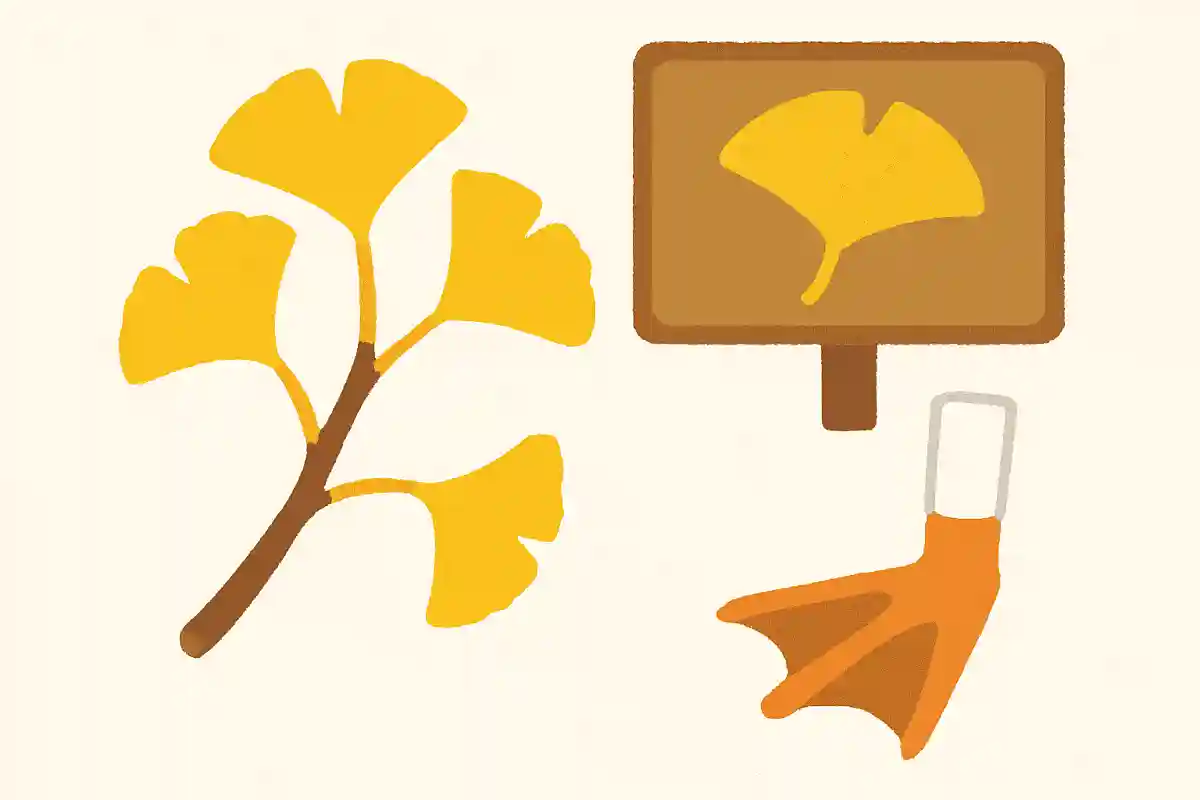
The name “Ichō” (ginkgo) is said to derive from the Chinese term yājiǎo (“duck’s foot”).
The fan-shaped leaves resemble a duck’s foot, which led to the name; as it was transmitted to Japan, the pronunciation shifted to ichō.
Today, ginkgo trees are beloved as familiar features of the landscape, lining streets and adorning the grounds of shrines and temples.
In autumn, their golden leaves fill the city with color, and even after they fall, they spread out like a yellow carpet.
Learning that a tree we usually see without much thought has such an origin is the kind of deep trivia that makes you want to share it with others.

November 28 is French Bread Day.
Are there any baguette lovers here? Even among those who like baguettes, not many may know there’s actually a Baguette Day.
This date, set by the Japan Baguette Friends Association, is said to come from a pun on ii (11), fu (2), ransu (8), and pan—though it’s a bit of a stretch.
That said, having a day like this once a year can be a good chance to think about baguettes, and if you haven’t had one recently, it might be nice to pick up your favorite baguette.

“X-rays” were discovered on November 8, 1895.
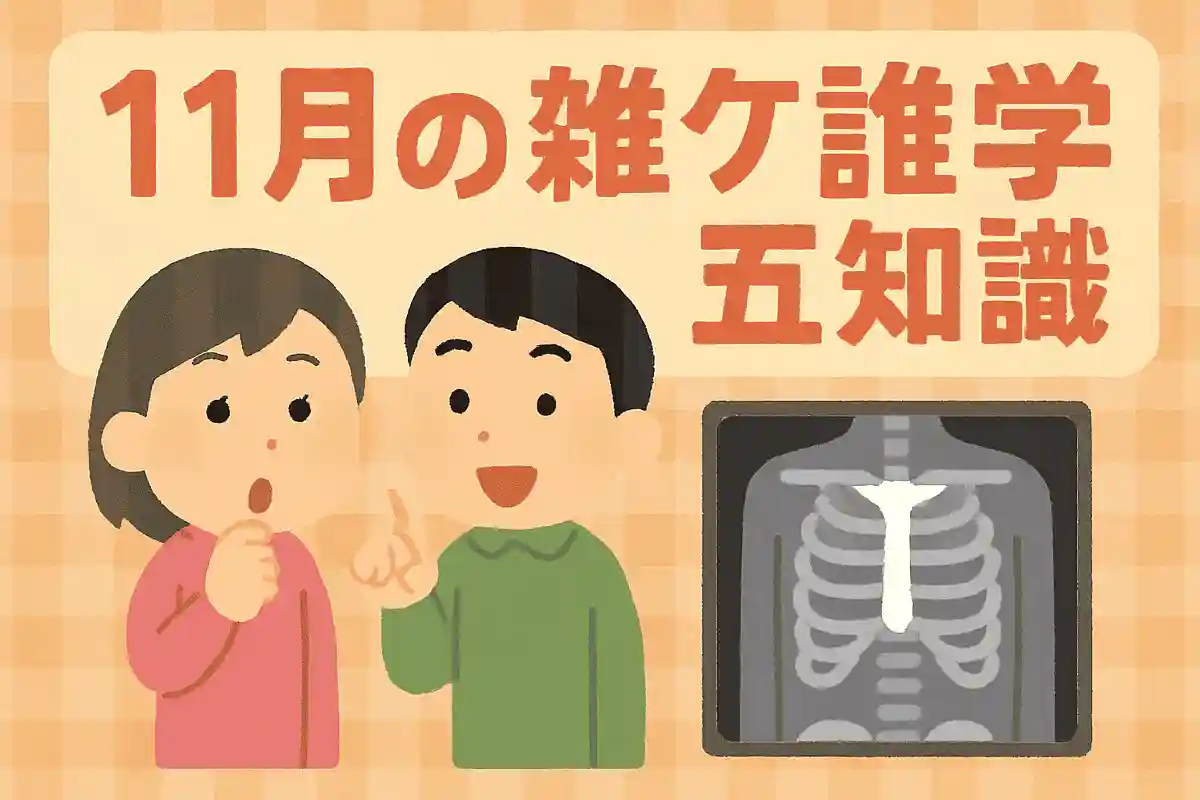
On November 8, 1895, the German physicist Röntgen discovered an unknown form of radiation during a chance experiment.
This was later named X-rays and brought enormous benefits to humanity.
The technology by which invisible radiation passes through the human body to reveal bones and organs became indispensable for diagnosing and treating disease.
In recognition of this achievement, Röntgen received the first Nobel Prize in Physics, and his discovery became a catalyst that profoundly changed the future of medicine and science.
A discovery born in November continues to play a role in protecting lives around the world today.
The first wooden apartment building in Japan was constructed on November 6, 1910.

It is said that on November 6, 1910, Japan’s first wooden apartment building was constructed in Ueno, Tokyo.
At the time, the very concept of multi-family housing was new and brought major changes to people’s lifestyles.
In an era when living in row houses or single-family homes was the norm, multiple households residing in the same building was groundbreaking and symbolized advancing urbanization.
Being wooden did pose fire-safety challenges, but the expansion of housing options carried great social significance.
It’s a piece of trivia that’s indispensable when looking back on the history of housing in Japan.
The first KFC store in Japan opened in Nagoya on November 21, 1970.

The first KFC in Japan, beloved around the world, opened in Nagoya on November 21, 1970.
At the time, fried chicken was still uncommon, and it was unclear whether it would suit Japanese food culture.
However, its savory flavor and ease of eating made it popular, and it spread nationwide.
In particular, the custom of eating chicken at Christmas becoming established in Japan can be largely attributed to KFC’s influence.
It’s a surprising bit of trivia that a history starting in Nagoya has grown into something indispensable at family tables and events today.
The Berlin Wall was torn down on November 9, 1989.
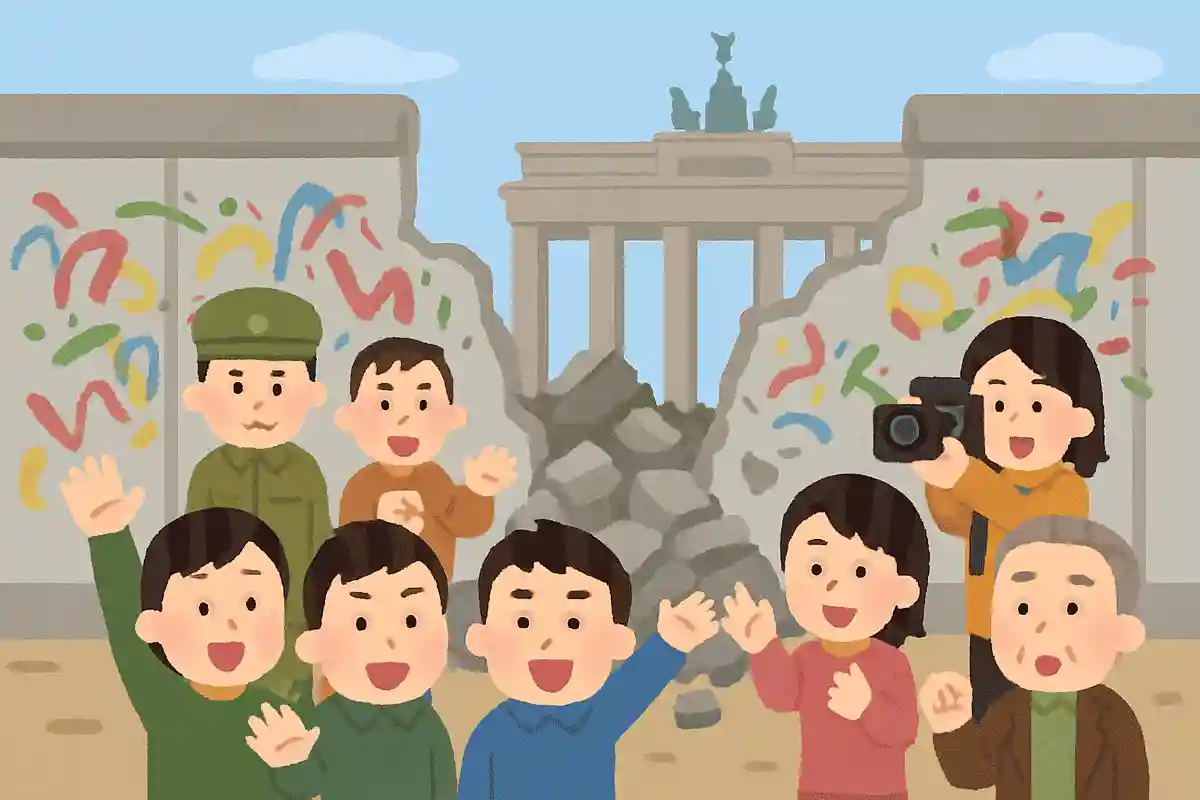
The Berlin Wall was originally begun in 1961 to prevent citizens of East Germany from flowing to the West.
In 1989, a movement emerged in which large numbers of East German citizens began defecting to the West, and on November 9, 1989, when the East German government allowed its citizens to travel and emigrate, people rushed to the Berlin Wall and began to tear it down.
As time passes, the shock of those events fades, but we must not forget the historical fact that many people lost their lives attempting to cross the Wall before then.
The most commonly seen autumn foliage variety in Japan is the Japanese maple (Iroha-momiji).
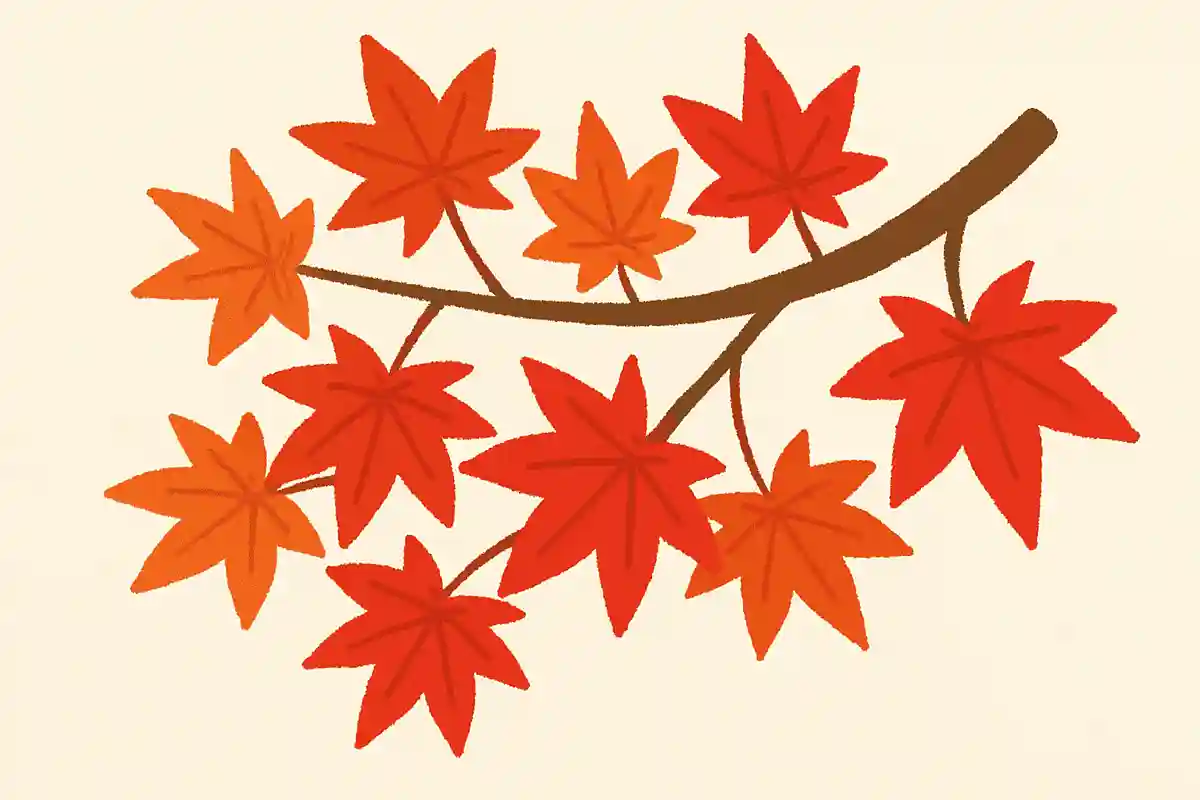
The most commonly seen variety of autumn foliage in Japan is the Japanese maple known as Iroha-momiji.
Its deeply lobed leaves turn beautifully red and orange, captivating many people.
The name is said to come from the idea that the leaf has seven lobes, like counting along the old Japanese syllabary “i-ro-ha-ni-ho-he-to.” Planted nationwide in gardens, at shrines and temples, and as street trees, it represents one of the quintessential scenes of autumn in Japan.
Knowing about Iroha-momiji can make the trees you see while viewing autumn leaves feel more familiar and help you enjoy a deeper connection with nature.
It’s a bit of accessible trivia that conveys the charm of autumn.