

Fun facts you’ll want to share! A special feature on November trivia and tidbits


November brings a deepening sense of autumn and a hint of chill in the air.
It’s a season packed with Japan’s traditional events and seasonal delights—like autumn foliage viewing, sweet potato picking and other harvest treats, Shichi-Go-San, and Culture Day.
Did you know that November hides plenty of surprising little facts close at hand? From the history behind each event to tidbits about seasonal flavors and even trivia about the changing leaves.
In this article, we’ll share general-interest trivia and fun facts about November that you’ll want to tell someone about.
Let’s explore the many-layered charms of November together—the more you learn, the deeper it gets!
- [For Kids] November Trivia Quiz & Fun Facts: Let’s Learn While Having Fun!
- So interesting you’ll want to tell someone! December Trivia & Fun Facts Special
- A roundup of personality quizzes related to November as autumn deepens
- A quiz of fun trivia: bite-sized knowledge that leads to new insights.
- [For Kids] December Trivia Quiz & Fun Facts! Learn about seasonal events and traditions!
- Fun October Trivia Quiz & Facts! Exciting Questions for Kids
- Trivia and fun facts about food (summary)
- Fun facts you’ll want to share! A roundup of October trivia and tidbits
- Will you like May even more once you know? Fun May trivia elementary schoolers should know
- Fun facts about the Moon. A rapid-fire quiz!
- A collection of trivia and fun facts about August that will warm your heart
- September Trivia Quiz & Fun Facts! A Fun Autumn Quiz for Kids
- Recommended activities and recreational games for November: A collection of ideas to enjoy autumn
Fun facts you'll want to share! November Trivia & Tidbits (21–30)
Leaves begin to turn color when the minimum temperature falls below 8°C.
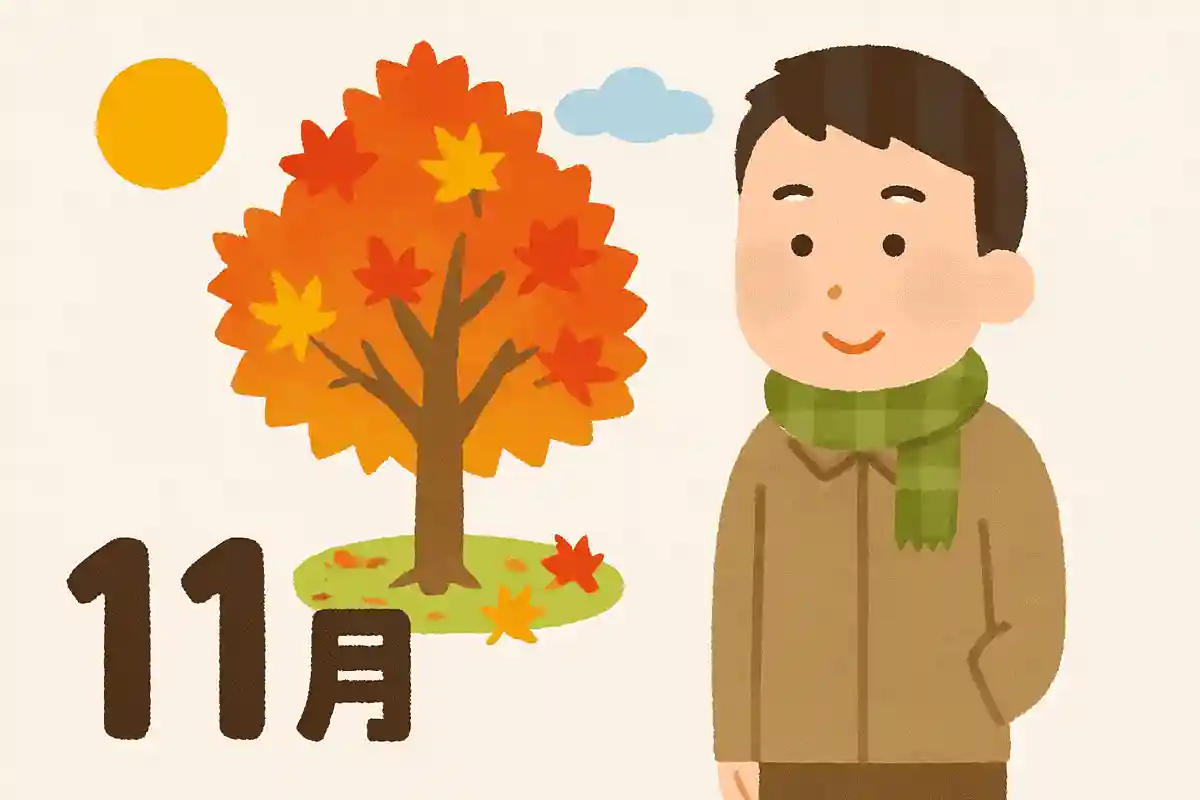
Temperature is deeply involved in the conditions that trigger autumn foliage, and it is generally said that leaves begin to change color when the minimum temperature falls below 8°C (46°F).
This is because the chill breaks down the chlorophyll in the leaves, revealing red and yellow pigments such as anthocyanins and carotenoids.
In particular, when the temperature difference between morning and evening is large, the foliage appears even more vivid for the same reason.
Knowing the scientific workings of nature can change the way you view the scenery while leaf peeping, making the colors feel especially meaningful.
It’s an intriguing bit of trivia that helps you understand the nature of autumn.

Rittō, which falls around November 7, marks the beginning of winter.
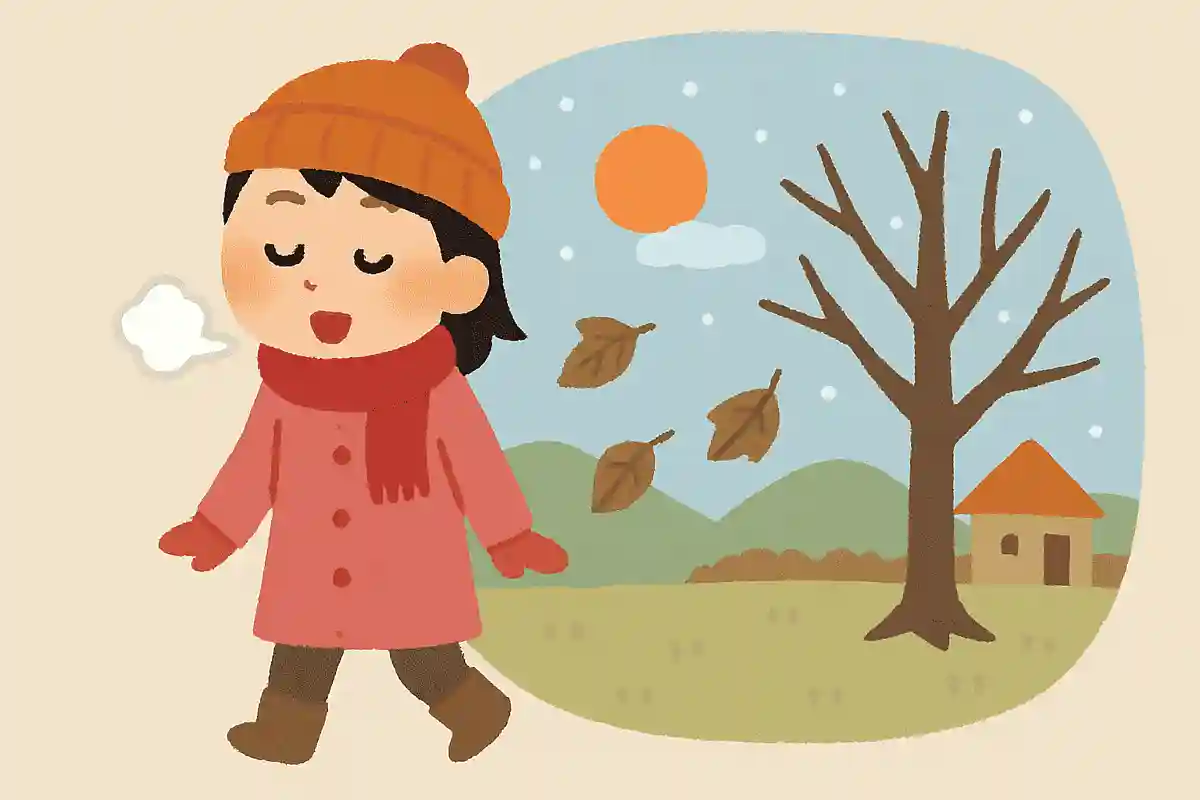
Rittō marks the beginning of winter.
Although our sense of the seasons has been getting a bit off lately, this day has traditionally served as a guide for when to start preparing for winter.
From around this time, the chill in the mornings and evenings deepens, so it’s a good idea to start eating foods that warm the body—such as root vegetables—or to enjoy hot pot dishes.
Japan has four seasons, and living while savoring them is profoundly charming and enjoyable.
I also recommend occasionally being mindful of these old seasonal calendars in your daily life.

In conclusion
Through trivia and fun facts about November for a general audience, we were able to explore the depth behind the cultural and seasonal scenery. From autumn leaves to Culture Day and Shichi-Go-San, there are fascinating stories hidden in everyday things. Why not weave the tidbits you learned from this article into conversations with your family and friends and enjoy richer moments together?