

Fun facts you’ll want to share! A special feature on November trivia and tidbits


November brings a deepening sense of autumn and a hint of chill in the air.
It’s a season packed with Japan’s traditional events and seasonal delights—like autumn foliage viewing, sweet potato picking and other harvest treats, Shichi-Go-San, and Culture Day.
Did you know that November hides plenty of surprising little facts close at hand? From the history behind each event to tidbits about seasonal flavors and even trivia about the changing leaves.
In this article, we’ll share general-interest trivia and fun facts about November that you’ll want to tell someone about.
Let’s explore the many-layered charms of November together—the more you learn, the deeper it gets!
- [For Kids] November Trivia Quiz & Fun Facts: Let’s Learn While Having Fun!
- So interesting you’ll want to tell someone! December Trivia & Fun Facts Special
- A roundup of personality quizzes related to November as autumn deepens
- A quiz of fun trivia: bite-sized knowledge that leads to new insights.
- [For Kids] December Trivia Quiz & Fun Facts! Learn about seasonal events and traditions!
- Fun October Trivia Quiz & Facts! Exciting Questions for Kids
- Trivia and fun facts about food (summary)
- Fun facts you’ll want to share! A roundup of October trivia and tidbits
- Will you like May even more once you know? Fun May trivia elementary schoolers should know
- Fun facts about the Moon. A rapid-fire quiz!
- A collection of trivia and fun facts about August that will warm your heart
- September Trivia Quiz & Fun Facts! A Fun Autumn Quiz for Kids
- Recommended activities and recreational games for November: A collection of ideas to enjoy autumn
You’ll Want to Share These Fun Facts! November Trivia & Tidbits Special (11–20)
The cosmos, known as an autumn flower, originates from Mexico.
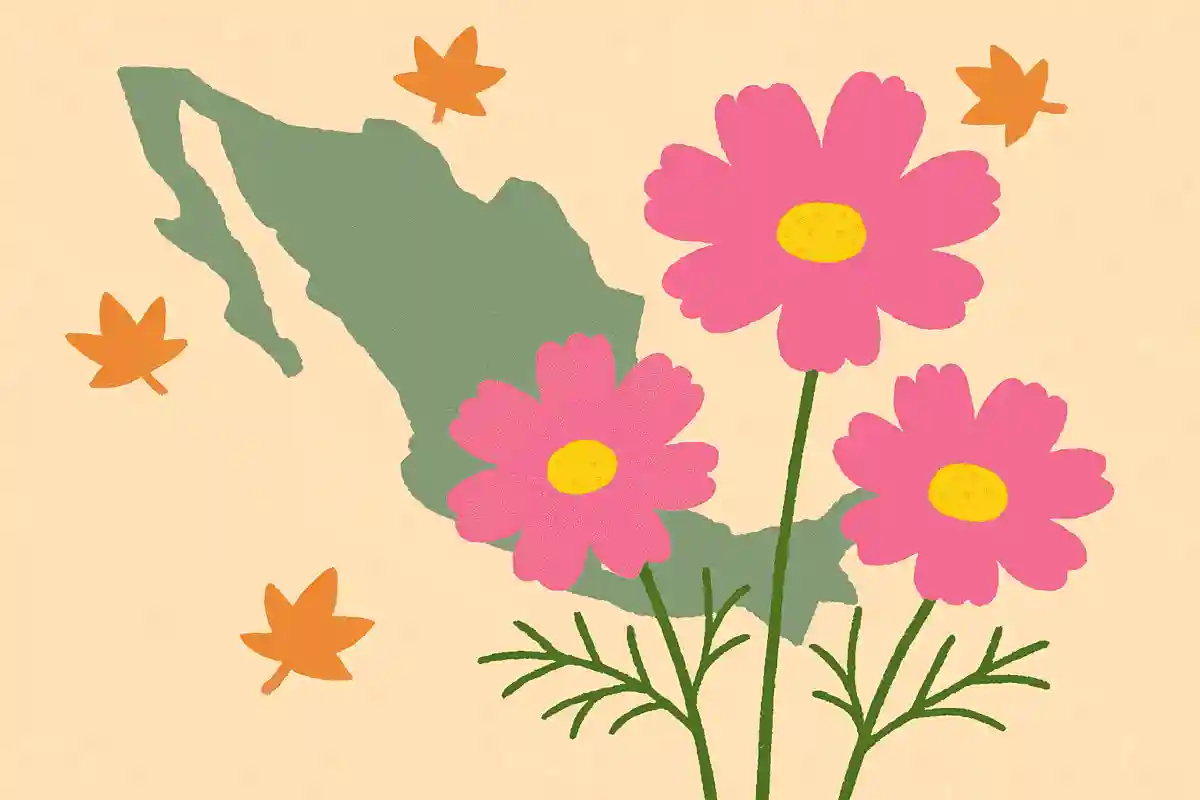
Cosmos flowers, known in Japan as “akizakura” (autumn cherry blossoms), are native to Mexico.
It’s said that Spaniards who discovered cosmos in Mexico were captivated by the flowers and brought them back to Europe.
They arrived in Japan during the Meiji era, and because they bloom in autumn, they came to be called akizakura.
Their delicate petals sway in the autumn breeze, and the many colors of cosmos paint the season’s landscapes.
They are hardy and easy to grow, making them a great choice for beginners.
When you come across cosmos, be sure to enjoy these flowers known as akizakura.

November 22 is called “Good Couple Day.”

November 22 is known as Couple’s Day in Japan, and thanks to the wordplay of the numbers “11” and “22,” it has been named “Good Couple Day.” Established to promote the importance of couples appreciating each other and living harmoniously, it also carries the hope that, in today’s busy world of work and household responsibilities, couples will cherish their time together.
In celebration of Good Couple Day, various appealing initiatives are held across the country, including events, experiences, and gifts that couples can enjoy together.
The Tori-no-Ichi festival, held at Washi Shrine on the Days of the Rooster in November, is an event that has continued since the Edo period.
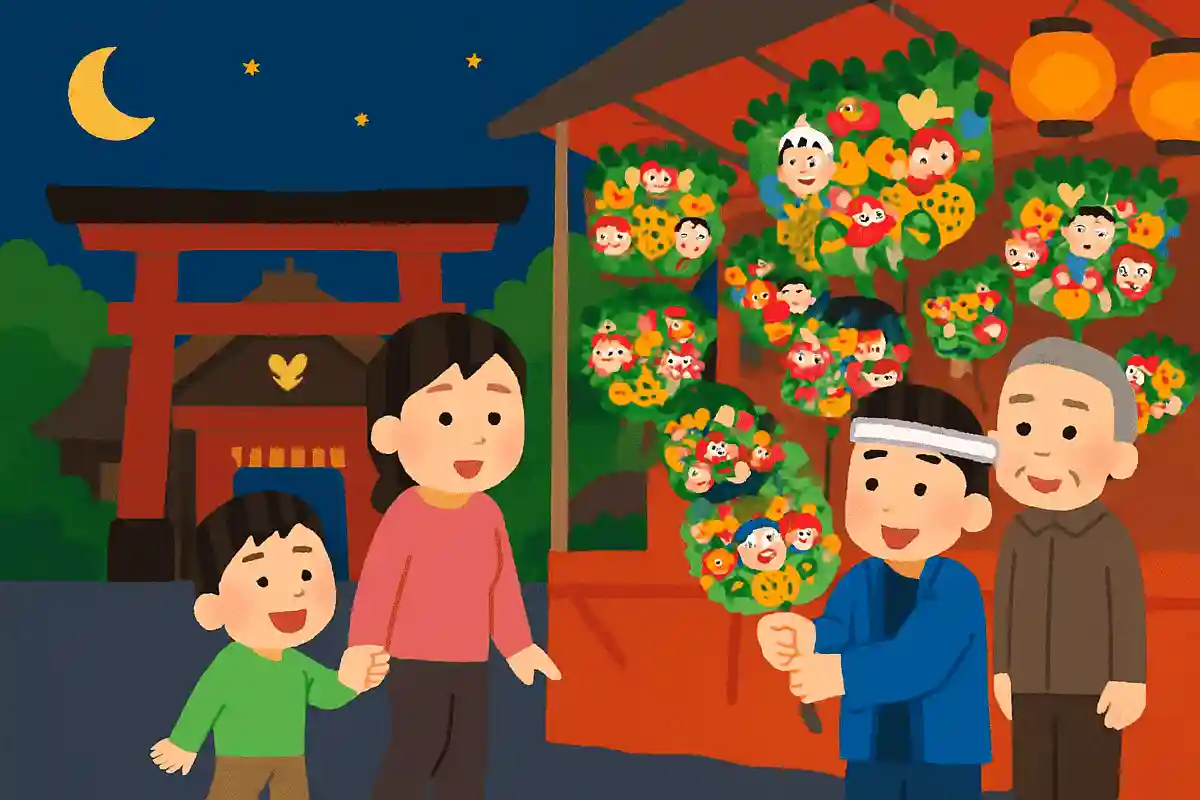
Tori-no-Ichi is not just a festival; it is a historic event bustling with people praying for business prosperity and household safety.
In the Edo period, it was held as an occasion for farmers to thank the gods for the harvest and pray for a good crop the following year.
Over time, it spread among merchants and evolved into its current form.
In many years, there are three “Days of the Rooster” in November, known respectively as the First, Second, and Third Tori, each with a different level of bustle.
The First Tori, in particular, is said to be the most crowded day of the year.
Tori-no-Ichi is a culturally rich event where people hold decorative rakes (kumade) to pray for safety throughout the year and prosperity in the year to come.
The sweet potato originates from tropical America.
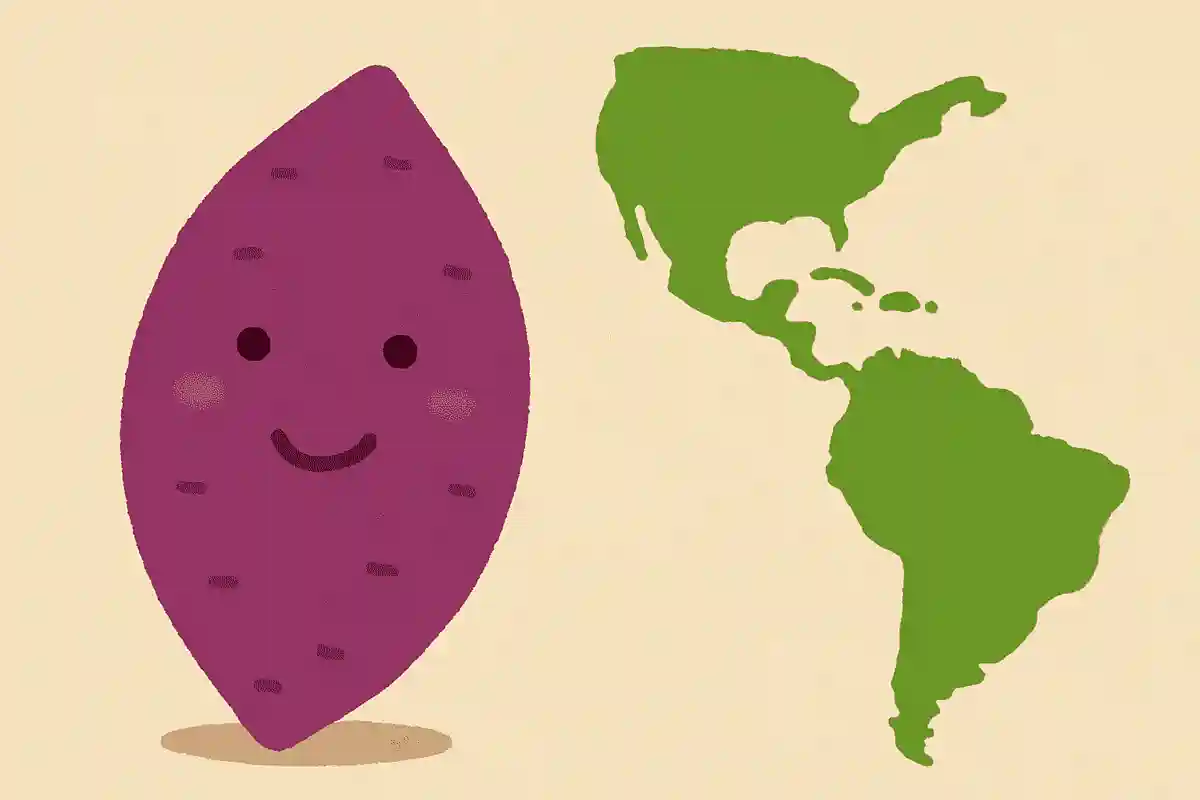
Sweet potatoes were brought back to Europe by Columbus when he discovered the Americas, and from there they spread across the world.
It is said that they were introduced to Japan via Okinawa in the late 16th century.
Because they were first widely cultivated in the Satsuma region of Kagoshima Prefecture, they came to be called “satsumaimo” (Satsuma potatoes).
Sweet potatoes are highly nutritious and are said to be rich in vitamin C and beta-carotene.
They keep well for long periods, so they have long been valued; recommended ways to enjoy them include roasting, tempura, and simmered dishes.
In western Japan, there is an event called the “Inoko Festival” that is held on the Day of the Boar.
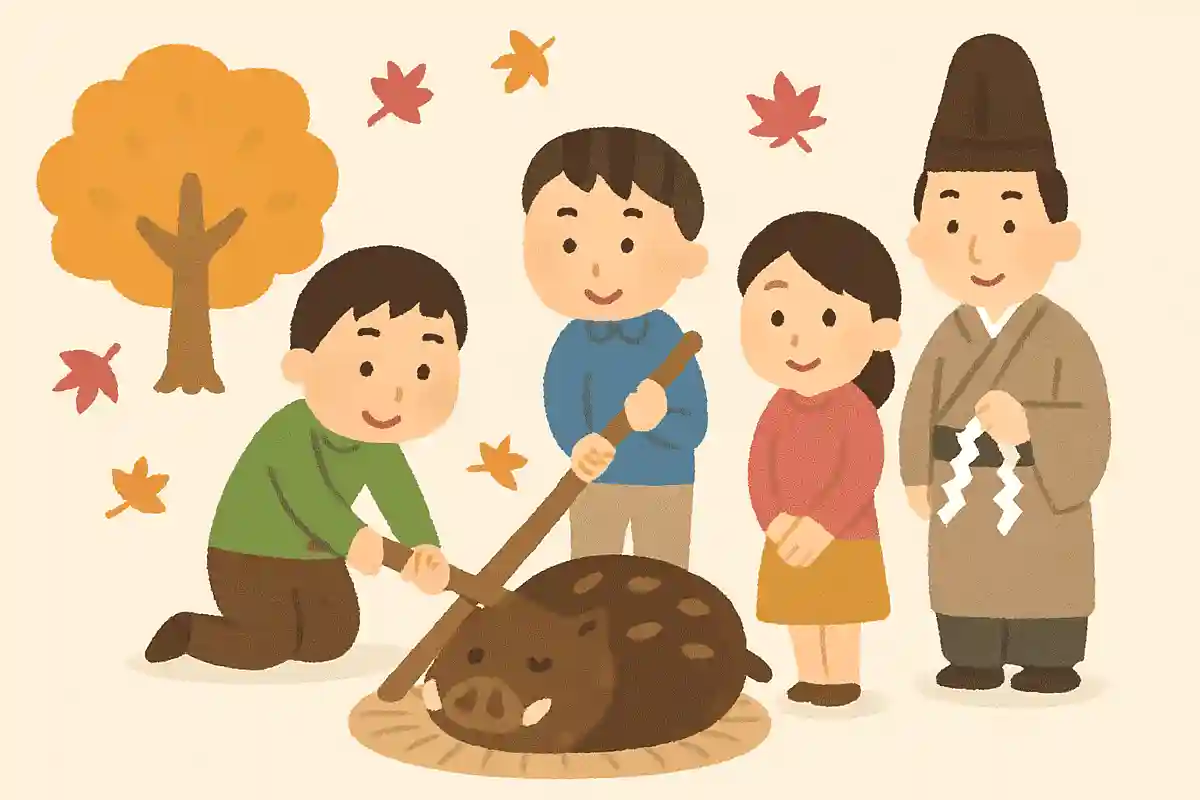
The Inoko Festival is a traditional event that has been passed down mainly in western Japan since ancient times.
Today, it is often held in November and is cherished as a festival that prays for good health and prosperity of descendants.
While the details of the Inoko Festival vary by region, one common element is eating inoko mochi.
This is a rice cake made with mixed grains, eaten to pray for good health.
There is also something called the Inoko Stone, a stone used to dig small holes in the ground.
Children go from house to house, singing songs while tapping the ground with this stone, making it an enjoyable festival to watch as well.
In some regions, they also open the hearth (start using the hearth for the season) on the day of the Inoko Festival.
The birth flower for November is the gerbera.
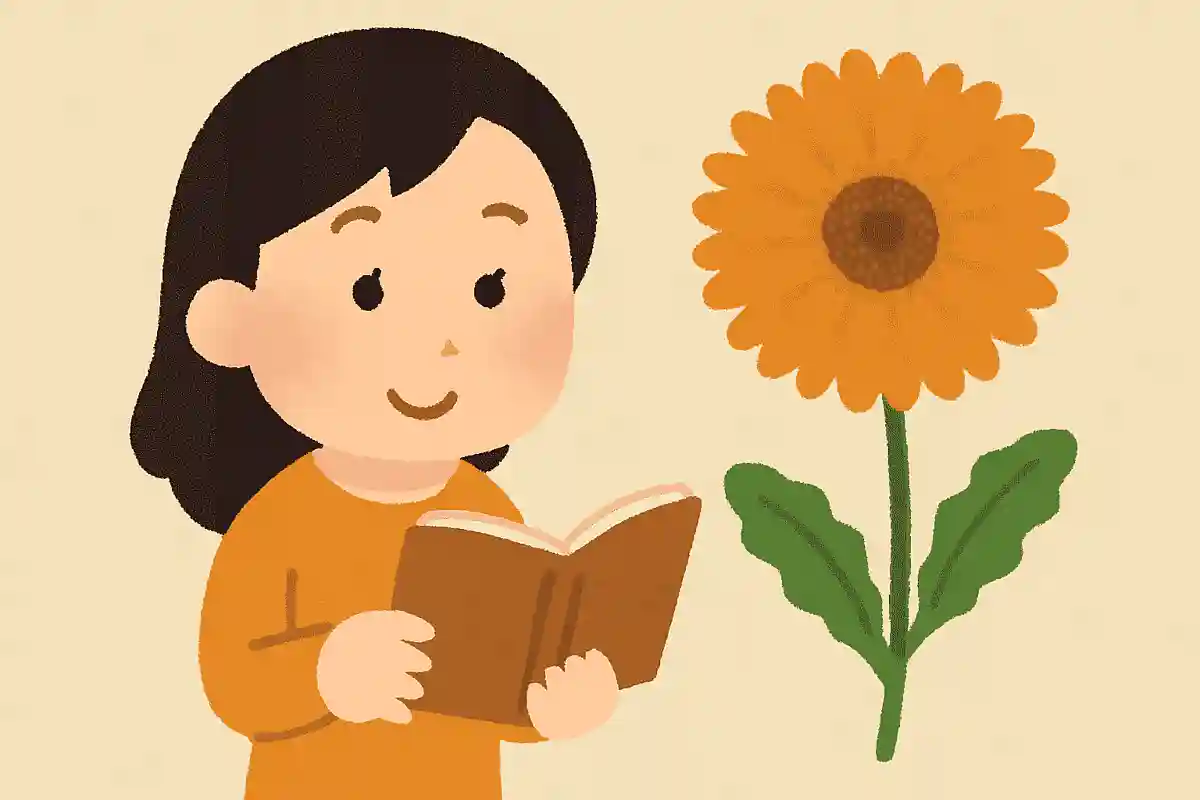
Gerberas come in a variety of colors—pink, orange, yellow, white, and more—and many people enjoy them as cut flowers.
Native to South Africa, gerberas have flower meanings that match their bright image, with many positive associations such as “hope,” “always moving forward,” and “mystery.” Because their vibrant colors are perfect for November, which ushers in winter, they were chosen as the birth flower for that month.
It’s also a great idea to choose the color of the gerbera to suit the recipient when giving them as a birthday present or as a gift to express your everyday gratitude.
Fun facts you'll want to share! November Trivia & Tidbits (21–30)
There is no autumn foliage in Okinawa.
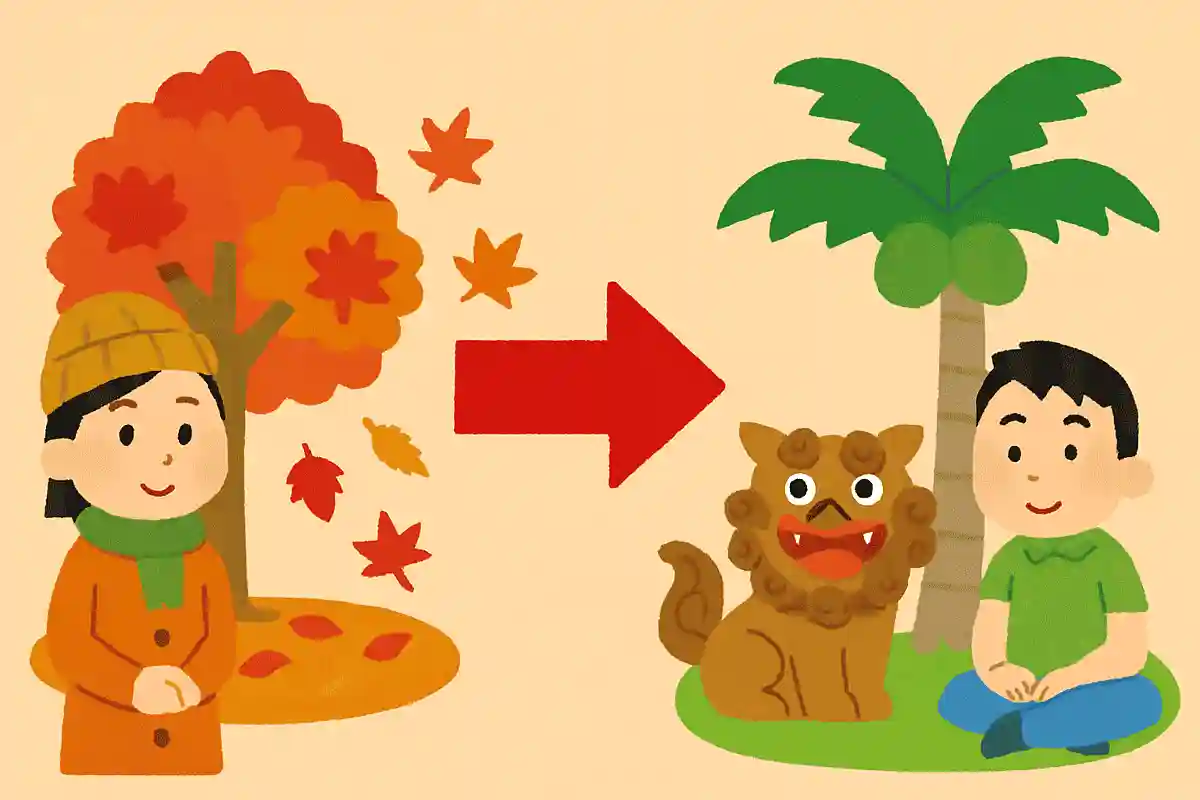
In many parts of Japan you can enjoy autumn foliage, but in fact, Okinawa doesn’t have the same kind of fall colors seen on the main islands.
The reason is the climate: Okinawa is warm year-round, and the temperature rarely falls below 8°C, which is a condition for autumn leaves to change color.
As a result, you won’t see Japanese maples and maples turning red and yellow.
Instead, tropical flowers and evergreen trees color the seasons, offering a sense of Okinawa’s unique natural beauty.
While there’s no autumn foliage, realizing that Okinawa has landscapes you can’t experience elsewhere is a fun bit of trivia that can broaden the way you enjoy traveling.
