



November brings a deepening sense of autumn and a hint of chill in the air.
It’s a season packed with Japan’s traditional events and seasonal delights—like autumn foliage viewing, sweet potato picking and other harvest treats, Shichi-Go-San, and Culture Day.
Did you know that November hides plenty of surprising little facts close at hand? From the history behind each event to tidbits about seasonal flavors and even trivia about the changing leaves.
In this article, we’ll share general-interest trivia and fun facts about November that you’ll want to tell someone about.
Let’s explore the many-layered charms of November together—the more you learn, the deeper it gets!
- [For Kids] November Trivia Quiz & Fun Facts: Let’s Learn While Having Fun!
- So interesting you’ll want to tell someone! December Trivia & Fun Facts Special
- A roundup of personality quizzes related to November as autumn deepens
- A quiz of fun trivia: bite-sized knowledge that leads to new insights.
- [For Kids] December Trivia Quiz & Fun Facts! Learn about seasonal events and traditions!
- Fun October Trivia Quiz & Facts! Exciting Questions for Kids
- Trivia and fun facts about food (summary)
- Fun facts you’ll want to share! A roundup of October trivia and tidbits
- Will you like May even more once you know? Fun May trivia elementary schoolers should know
- Fun facts about the Moon. A rapid-fire quiz!
- A collection of trivia and fun facts about August that will warm your heart
- September Trivia Quiz & Fun Facts! A Fun Autumn Quiz for Kids
- Recommended activities and recreational games for November: A collection of ideas to enjoy autumn
So interesting you’ll want to tell someone! November Trivia & Fun Facts Special (1–10)
Ginkgo trees have existed since the time when dinosaurs lived.
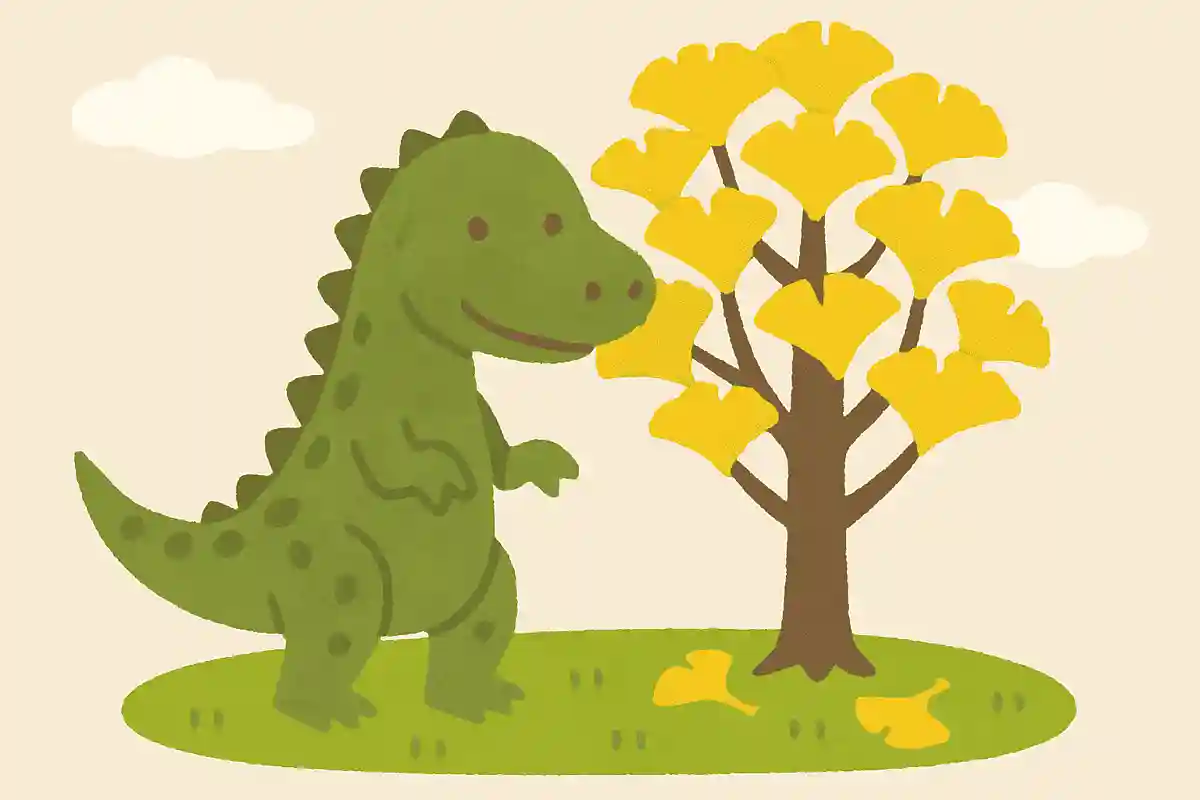
The ginkgo tree is a plant known as a living fossil that has existed since the time when dinosaurs roamed the Earth.
Its survival with almost no change in form since ancient times is partly due to its remarkable ability to adapt to the environment.
When you look at modern avenues lined with ginkgo trees, you may feel a mysterious connection through time as you overlay them with the landscapes of the dinosaur era.
The leaves that turn yellow in autumn are not only beautiful but also testimony to a long history.
It’s a bit of trivia that feels close at hand yet contains a grand sense of scale.

Chitose-ame is specified to be no longer than 1 meter and no more than 1.5 centimeters in diameter.
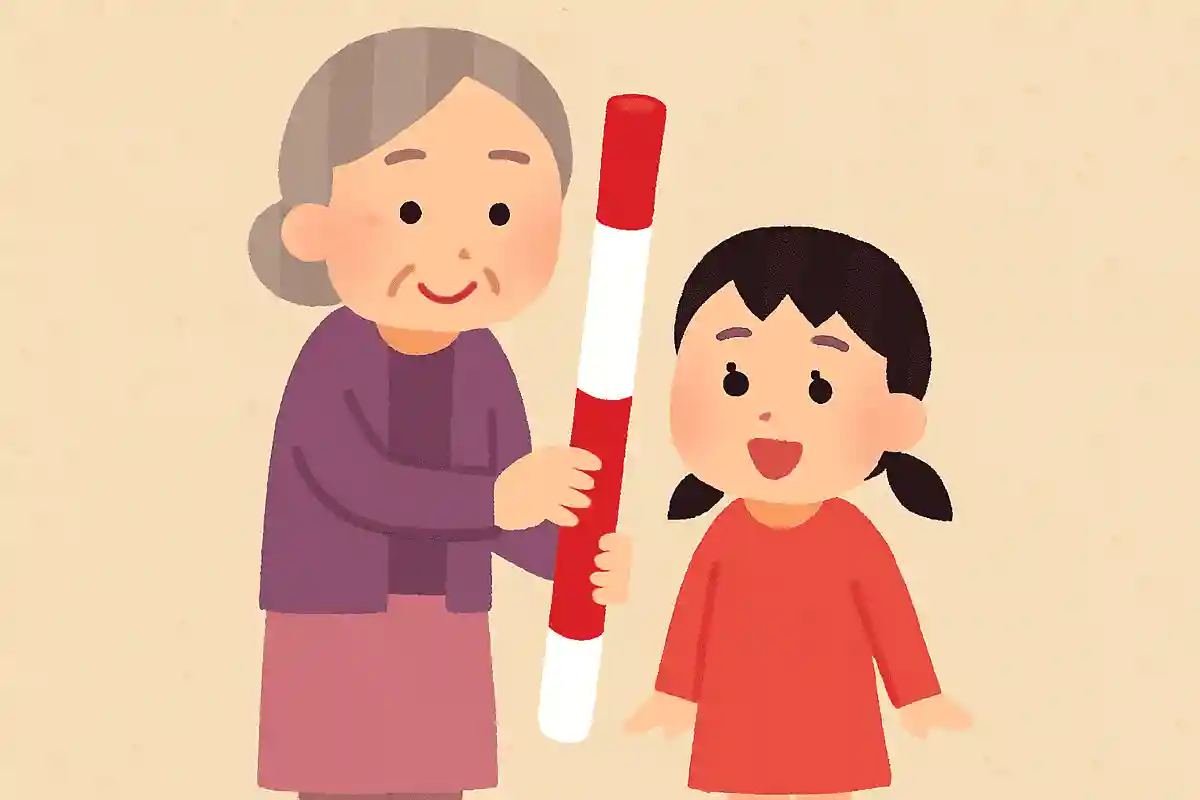
Chitose-ame, the indispensable candy for Shichi-Go-San, actually has an official standard.
Its length must be within one meter and its diameter within 1.5 centimeters.
The long, slender shape embodies wishes for longevity and healthy growth.
Cherished as a good-luck charm for children’s health, its red-and-white colors further enhance the celebratory feel.
Realizing that something we usually see as just a sweet candy carries deep meaning and history can make the Shichi-Go-San celebration feel even more special.
It’s a fun piece of trivia you’ll want to share once you know it.
Koharu-biyori is a term used around November.
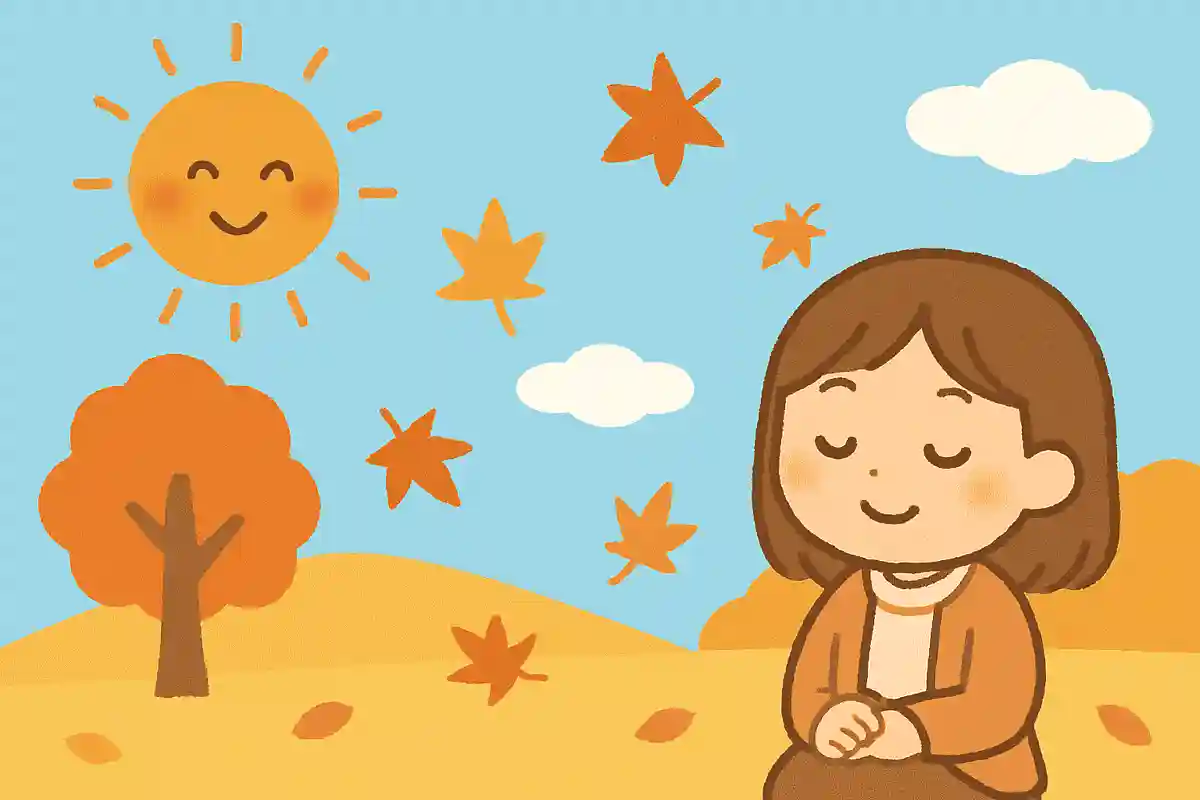
Though it sounds like a phrase evoking spring, “koharubiyori” is actually used around November.
In the old lunar calendar, October to November was called “koharu” (little spring), so it refers to warm, calm days in late autumn to early winter.
The expression arose from the gentle sunshine that briefly visits as winter approaches, bringing a spring-like warmth.
People might mistakenly use it in spring, but knowing its true meaning reveals the depth of seasonal language.
It’s a rich piece of trivia that conjures the Japanese sensibility toward nature and seasonal scenery.
The flower language of the maple is “beautiful change.”
The maple, a symbol of autumn, carries the flower language meaning of “beautiful change.” From spring through summer it grows lush green leaves, and when autumn comes it transforms into vivid reds and yellows—a sight long likened to human growth and the changing course of life.
Even the moment its leaves fall is beautiful, conveying a sense of strength within transience.
When you behold brilliantly colored maples, simply knowing this flower language can deepen your sense of awe and renew your appreciation for the rich expressions of nature.
It is a resonant phrase that teaches the importance of embracing change.
Labor Thanksgiving Day was called Niiname-sai (the Harvest Festival) before World War II.
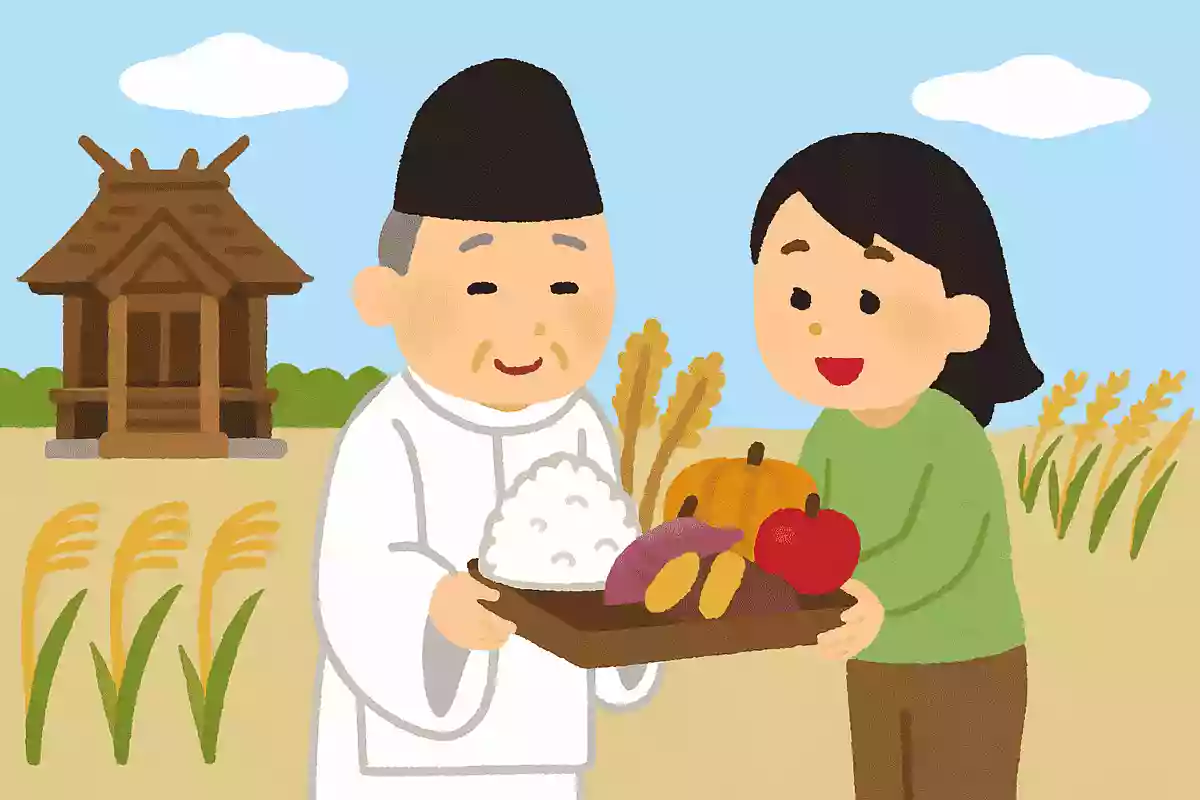
The Niiname-sai is a traditional Japanese ritual in which the year’s new harvest is offered to the deities in gratitude for the crops.
November 23 was designated as Labor Thanksgiving Day because it was the date when the Niiname-sai used to be held.
It was a highly important Imperial Court ceremony in which His Majesty the Emperor personally offered the new grain before the gods, expressed thanks for the year’s bounty, and prayed for the nation’s peace and stability.
After the war, the Niiname-sai was reborn as the national holiday “Labor Thanksgiving Day.” Labor Thanksgiving Day is not just a day off; it is an important occasion to give thanks to the people who support our daily lives and to the blessings of nature.

The establishment of the national holiday “Culture Day” originates from the promulgation of the Constitution of Japan.
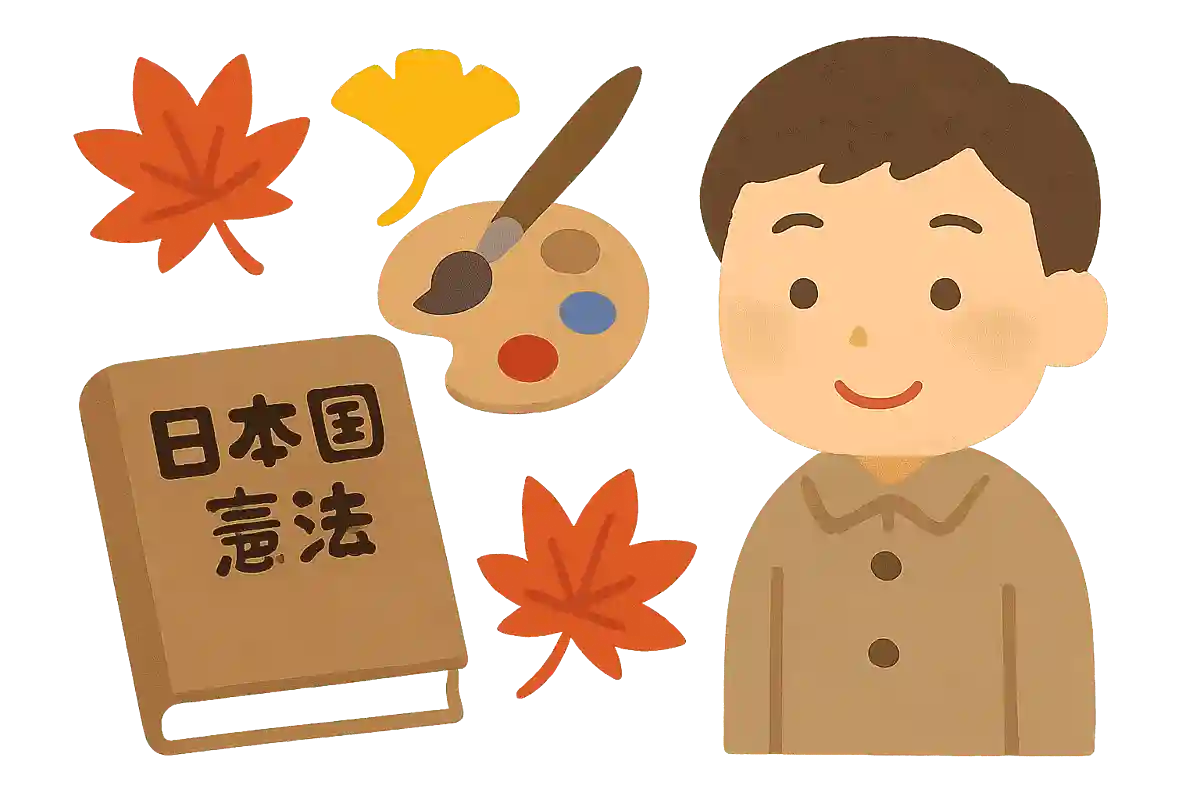
Because the Constitution of Japan was promulgated on November 3, 1946, November 3 came to be known as Culture Day.
The promulgation of the Constitution was a major event for Japan, which was reborn as a democratic nation from its prewar nationalist regime.
On Culture Day, museums and art galleries across the country offer free admission, and concerts and other events are held.
Culture Day is not just a holiday; it is a day for us to reaffirm the importance of Japanese culture in building a peaceful and prosperous society.
This is also a great opportunity to experience Japan’s long-standing cultural heritage.
In the phrase “momijigari” (autumn leaf viewing), the word “kari” (hunting) carries the meaning of seeking out plants and flowers in the hills and fields.
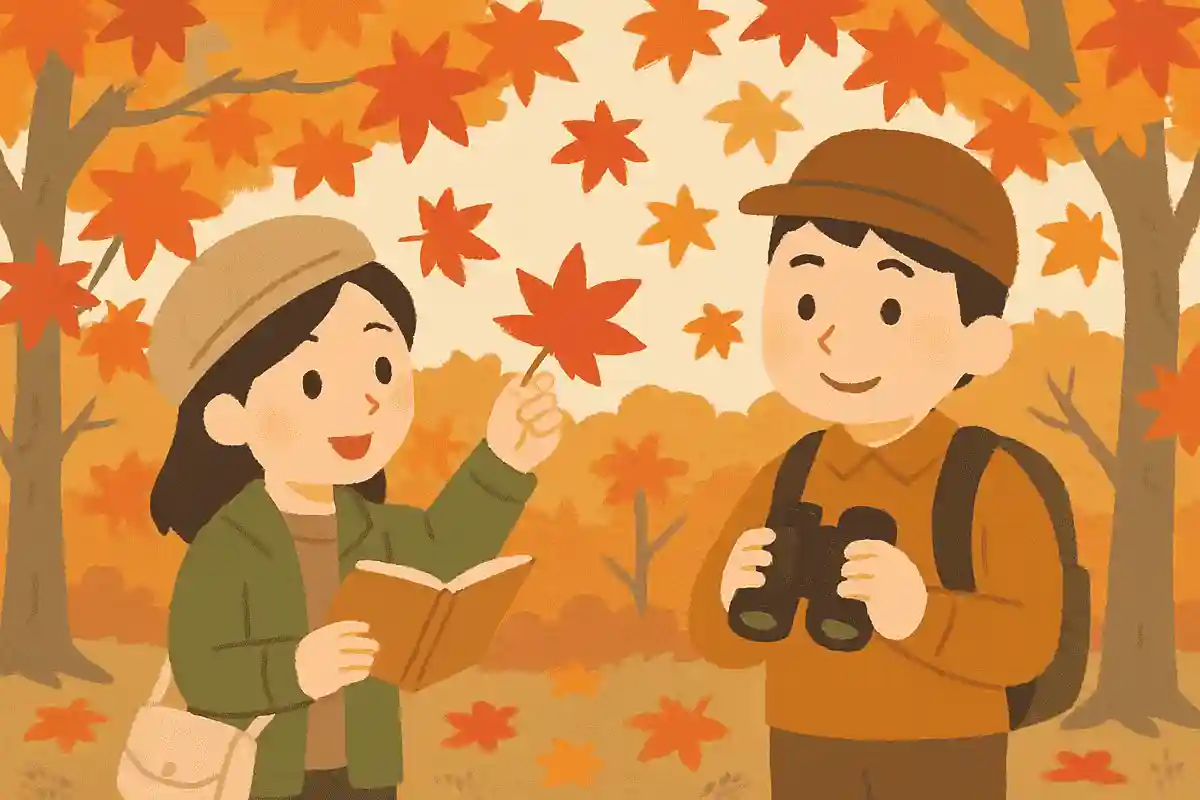
The original meaning of kari is to catch animals.
People in the past may have thought that walking through the mountains and fields to admire the beautiful autumn leaves—placing oneself in nature—was a kind of “hunting.” In the word kari in momijigari (autumn leaf viewing), I think there is not only the sense of “taking prey,” but also a sense of unity with nature and of searching for something with a clear purpose.
It might be from this idea of purposeful intent that the term came to be called “hunting.”