

Famous opera masterpieces | Featuring many great opera singers

Opera is fairly familiar in Japan, even being included in school textbooks.
Still, many people may recognize the melodies without knowing much about the famous opera pieces themselves.
For those readers, we’ve selected a number of renowned opera masterpieces.
In addition to introducing the works, we explain them from various angles—the background of their creation, the appeal of the opera singers performing them, and more—so both regular opera listeners and those less familiar with opera can enjoy the content.
Please take your time and enjoy it to the very end.
- Famous pieces recommended for opera beginners. Recommended opera songs.
- [Masterpiece Classics] A special showcase of gem-like masterpieces so beautiful they’ll move you to tears
- [Baroque Music] A Curated Selection of Timeless Masterpieces and Famous Works
- [Orchestra] Introducing famous and popular pieces
- Cello Masterpieces: A comprehensive introduction to exquisite classical works that let you savor its profound timbre
- Masterpieces of the bolero. Recommended popular pieces in bolero form and outstanding performances.
- Mozart: An Introduction to His Signature and Popular Works
- Oskar Merikanto Popular Song Rankings [2026]
- [Unrequited Love] Heart-wrenching Love Songs | A Roundup of Tear-Inducing Crush and Breakup Tracks
- Debussy’s masterpiece. Popular classical music.
- Vivaldi’s masterpiece. Popular classical music.
- [Christmas] Classical music to listen to at Christmas: recommended sacred Christmas songs
- Masterpieces of the Romantic Era: A sweeping introduction to soul-stirring, celebrated gems!
Famous Opera Masterpieces | Many Great Opera Singers Also Appear (1–10)
Che gelida maninaRamón Vargas

Giacomo Puccini, a composer who created numerous operatic masterpieces.
Among his many works, “Che gelida manina” is especially popular, and astonishingly, between the 1900s and the 1980s it was sung by as many as 500 tenors.
This time, we’ve chosen a rendition by the Mexican tenor Ramón Vargas, whose pure-sounding voice matches perfectly with the depiction of speaking to a beloved.

L’amour est un oiseau rebelleElina Garanca

L’amour est un oiseau rebelle,” a signature piece from the opera Carmen by Georges Bizet.
Beginning with the heroine Carmen and gradually shifting to the surrounding chorus, its striking structure brilliantly captures Carmen’s strong-willed character.
This time, we’ve picked the version by Latvian mezzo-soprano Elīna Garanča.
Her rich, resonant voice matches Carmen’s personality perfectly—enjoy that synergy as you listen.
Frühlingsstimmen Op. 410Isyana Sarasvati

Johann Strauss II’s masterpiece, Frühlingsstimmen Op.
410.
In Japan, it’s known by the title “Haru no Koe” (“Voices of Spring”), and it’s famous as one of the most technically demanding pieces among all art songs.
This time, we’re featuring the version by Indonesian singer-songwriter Isyana Sarasvati.
Although she’s a pop singer, her overwhelming vocal prowess is on par with top-tier operatic sopranos, which is truly impressive.
Famous Opera Masterpieces | Many Great Opera Singers Also Featured (11–20)
O mio babbino caroMontserrat Caballé

Giacomo Puccini’s opera Gianni Schicchi features the especially famous aria O mio babbino caro, known in Japanese as “My Dear Daddy.” Set in medieval Florence—where many works revolve around themes of betrayal and conflict—this opera includes a song that offers gentle solace amid the weight of the story, expressing simple, sincere love.
The atmosphere can change greatly depending on how the singer conveys emotion, so why not compare performances by several different vocalists?
Torna a SurrientoFranco Corelli

The canzone “Torna a Surriento” is familiar in Japan as well, even being included in textbooks.
Although it’s not a formal opera piece, it has continued to be sung by many great tenors, which is why I chose it this time.
I’ve picked the version by Franco Corelli, one of Italy’s greatest tenors, and the way he effortlessly delivers this highly challenging song is nothing short of remarkable.
He’s a singer whose vocal ability ranks among the top three in history, so be sure to check it out.
Casta DivaMaria Callas
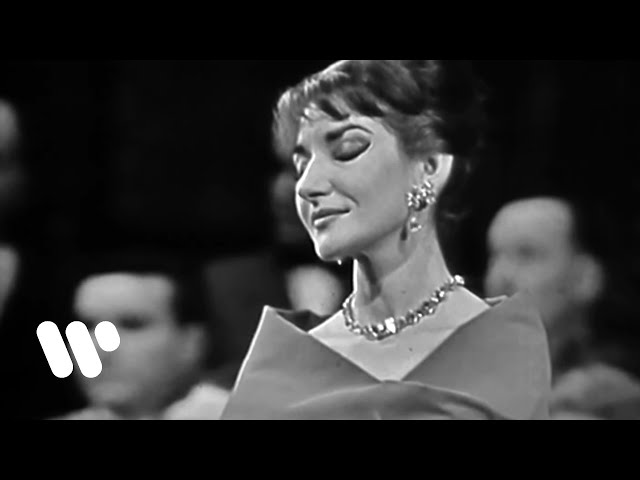
The opera Norma, composed by Vincenzo Bellini.
Among its numbers, Casta Diva is one of the most popular and a coveted piece for soprano singers.
This time, we’ve picked the version by the great soprano Maria Callas.
The way she renders the most challenging part of the piece—the intense dynamic contrasts—so incredibly smoothly showcases her overwhelming vocal prowess.
Be sure to check it out.
GranadaMario Lanza

Granada is a masterpiece composed by the Mexican composer Agustín Lara.
Although he was from Mexico, he was exposed to Spanish culture from a young age.
However, because it was wartime, traveling to Spain was not easy.
This song is a classic born from his longing for a Spain he had yet to see.
While not a formally trained opera singer, actor Mario Lanza—who continues to be respected by many opera singers—has a remarkable version that I’ve selected here.
Please enjoy it along with his overwhelming vocal power.