

Famous opera masterpieces | Featuring many great opera singers

Opera is fairly familiar in Japan, even being included in school textbooks.
Still, many people may recognize the melodies without knowing much about the famous opera pieces themselves.
For those readers, we’ve selected a number of renowned opera masterpieces.
In addition to introducing the works, we explain them from various angles—the background of their creation, the appeal of the opera singers performing them, and more—so both regular opera listeners and those less familiar with opera can enjoy the content.
Please take your time and enjoy it to the very end.
- Famous pieces recommended for opera beginners. Recommended opera songs.
- [Masterpiece Classics] A special showcase of gem-like masterpieces so beautiful they’ll move you to tears
- [Baroque Music] A Curated Selection of Timeless Masterpieces and Famous Works
- [Orchestra] Introducing famous and popular pieces
- Cello Masterpieces: A comprehensive introduction to exquisite classical works that let you savor its profound timbre
- Masterpieces of the bolero. Recommended popular pieces in bolero form and outstanding performances.
- Mozart: An Introduction to His Signature and Popular Works
- Oskar Merikanto Popular Song Rankings [2026]
- [Unrequited Love] Heart-wrenching Love Songs | A Roundup of Tear-Inducing Crush and Breakup Tracks
- Debussy’s masterpiece. Popular classical music.
- Vivaldi’s masterpiece. Popular classical music.
- [Christmas] Classical music to listen to at Christmas: recommended sacred Christmas songs
- Masterpieces of the Romantic Era: A sweeping introduction to soul-stirring, celebrated gems!
Famous Opera Masterpieces | Featuring Many Great Opera Singers (41–50)
Batti, batti, o bel Masetto / Beat me, Masetto (/ Beat me, my dear Masetto / Beat me, beat me please, hey Masetto / Strike me, Masetto)

This is a song from the opera Don Giovanni in which Zerlina, who was nearly seduced by the playboy Don Giovanni, begs her bridegroom for forgiveness.
The title, literally “Beat me, beat me, O Masetto,” has been rendered in various ways in translation.
In any case, as the title suggests, the lyrics are intense.
Yet the music itself is light and charming.
Casta Diva / O pure goddessRenee Fleming/ Rune Furemingu: Uta
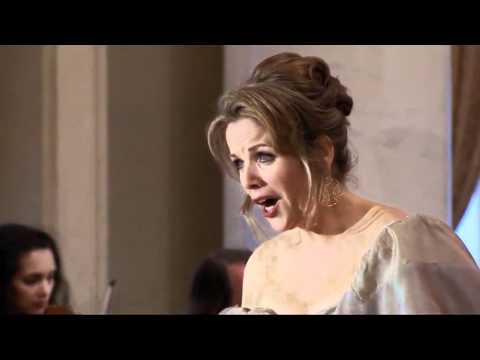
This is a song from the opera Norma, in which Norma, the high priestess living in Gaul (around present-day France and Switzerland) under the rule of the Roman Empire, prays to the moon for peace.
It is known for its beautiful melody—so much so that Chopin actively drew on it as inspiration for his own.
Let me weep Opera ‘Rinaldo’ Michie Nakamaru 0001Georg Friedrich Händel

This is “Lascia ch’io pianga” (Let me weep) from the opera Rinaldo by George Frideric Handel, a composer born in Germany in 1685 who later became a naturalized British citizen.
In this aria, Almirena sings, “Let me weep over my cruel fate,” vowing to remain faithful to her beloved Rinaldo despite being courted by the enemy king.
Samson and Delilah (by Saint-Saëns)Pari Operaza Kangengakudan

Saint-Saëns composed 13 operas over his lifetime, but Samson and Delilah is his representative work.
Based on the Old Testament story of the mighty Samson, it is an exceptional piece that showcases, throughout, the delicate and beautiful melodies and the refined spirit that are hallmarks of Saint-Saëns.
Ravel: España (Maurice Ravel)Pari Kokuritsu Kagekijō Kangengakudan

Ravel’s characteristics as an Impressionist are prominently displayed, with orchestration expressed through delicate, meticulously detailed colors.
It is an opera in which the contrast between light and shade in the performed sounds is extremely fascinating.
The premiere took place in May 1911 at the Opéra-Comique in Paris.
Chorus of TriumphHeruberuto Fon Karayan: shiki, Uīn Firuhāmonī Kangen Gakudan

This is a chorus sung in the opera Aida, which portrays the tragic love between an Egyptian warrior and the princess of Ethiopia, a rival nation.
The lyrics celebrate the Egyptian army’s victory, with great crowds rejoicing and praising the land of Egypt, its goddess, and its king.
Sung by many voices in unison, the piece has a majestic quality that conveys the grandeur and splendor of the stage.
To live for song, to live for love (To live for song, to live for love)Maria Karasu: Uta

It’s one of the pieces from the opera Tosca.
Set in a time when supporters of Napoleon’s army clashed with Rome’s police who suppressed them, the painter Cavaradossi—who rejoiced at Napoleon’s victory—ends up condemned to execution.
His lover, the singer Tosca, pours out her grief to God.
It’s a profoundly moving song.