

Famous opera masterpieces | Featuring many great opera singers

Opera is fairly familiar in Japan, even being included in school textbooks.
Still, many people may recognize the melodies without knowing much about the famous opera pieces themselves.
For those readers, we’ve selected a number of renowned opera masterpieces.
In addition to introducing the works, we explain them from various angles—the background of their creation, the appeal of the opera singers performing them, and more—so both regular opera listeners and those less familiar with opera can enjoy the content.
Please take your time and enjoy it to the very end.
- Famous pieces recommended for opera beginners. Recommended opera songs.
- [Masterpiece Classics] A special showcase of gem-like masterpieces so beautiful they’ll move you to tears
- [Baroque Music] A Curated Selection of Timeless Masterpieces and Famous Works
- [Orchestra] Introducing famous and popular pieces
- Cello Masterpieces: A comprehensive introduction to exquisite classical works that let you savor its profound timbre
- Masterpieces of the bolero. Recommended popular pieces in bolero form and outstanding performances.
- Mozart: An Introduction to His Signature and Popular Works
- Oskar Merikanto Popular Song Rankings [2026]
- [Unrequited Love] Heart-wrenching Love Songs | A Roundup of Tear-Inducing Crush and Breakup Tracks
- Debussy’s masterpiece. Popular classical music.
- Vivaldi’s masterpiece. Popular classical music.
- [Christmas] Classical music to listen to at Christmas: recommended sacred Christmas songs
- Masterpieces of the Romantic Era: A sweeping introduction to soul-stirring, celebrated gems!
Famous Opera Masterpieces | Featuring Many Great Opera Singers (41–50)
Elsa’s Procession to the Cathedral from the opera LohengrinWilhelm Wagner

This piece, with its majestic and sacred atmosphere, unfolds at a leisurely tempo and is distinguished by its rich orchestration.
The harmony between brass and strings is beautiful, leaving listeners deeply moved.
Premiered in August 1850, the work depicts a scene from an opera, superbly conveying the protagonist’s purity and the solemnity of the ritual.
It is often used as background music for weddings and religious ceremonies and is beloved by many.
It is recommended not only for those interested in classical music but also for anyone seeking a beautiful melody that resonates with the heart.
Famous Opera Masterpieces | Featuring Many Great Opera Singers (51–60)
Whoever has won a lovely wife (who has married a good wife)

This is the final piece sung in Fidelio, the only opera Beethoven completed.
It is a chorus that praises the brave and devoted spirit of Leonore, who infiltrated the prison disguised as the young jailer Fidelio to rescue her husband Florestan, who had been unjustly imprisoned due to the prison governor’s scheming.
Go, my thoughts, borne on golden wingsArturo Toscanini

A chorus sung in Verdi’s Nabucco.
In Italy—Verdi’s homeland and the birthplace of opera—it is so beloved that it is said to be second to none.
Within a work that is weighty and dark in tone, this number, a beacon of hope, went on to gain a life of its own.
C. Saint-Saëns “Henry VIII” in 4 Acts, Imperial Theatre of Compiègne (France), 1991, Part 2/2Camille Saint-Saëns

Henry VIII is an opera by Camille Saint-Saëns, born in 1835, a French composer who was also a pianist and organist.
The work incorporates a great deal of church music—a specialty of Saint-Saëns, who served as a church organist—and its majestic choral and orchestral sonorities are moving and praised alongside its arias.
Weber: Opera “Der Freischütz” J.277 — Huntsmen’s ChorusCarl Maria von Weber

This is the Hunters’ Chorus from the opera Der Freischütz by Carl Maria von Weber, a German composer, conductor, and pianist born in 1786.
It is a male chorus performed in Act III, with a prominent horn ensemble.
The Hunters’ Chorus is often performed on its own in concerts.
Agitata Da Due VentiCecilia Bartoli
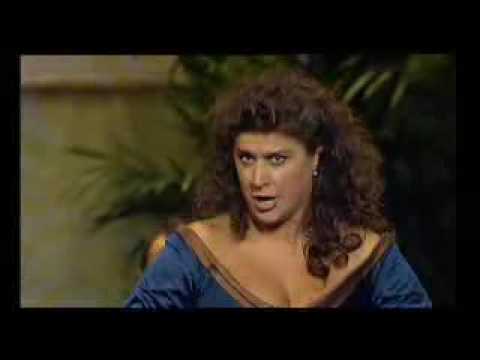
From Vivaldi’s Griselda.
I’m left speechless by Bartoli, who delivers music brimming with passion—akin to modern rock—with both ferocity and precision.
She’s such a charismatic figure among today’s mezzo-sopranos that a video of a music student mimicking her distinctive singing style even became a hot topic for a time.
Gluck Orfeo ed Euridice OvertureChristoph Willibald Gluck

This is the Overture from the opera Orfeo ed Euridice by composer Christoph Willibald Gluck, who was born in what is now Germany in 1714 and was active in what are now Australia and France.
Orfeo ed Euridice was the first work created by the composer, who, together with librettist Ranieri de’ Calzabigi, embarked on reforms of opera seria.
It was a great success from its premiere.