

[Orchestra] Introducing famous and popular pieces


Among classical music, the orchestra is the most opulent and offers the widest range of expression.
When a variety of instruments, each infused with the performer’s own sensibility, come together to create a single piece of music, it produces a unique allure found nowhere else.
In this article, we’ve picked out famous and popular orchestral pieces.
Even within orchestral music, there are many genres—from symphonies and concertos to operas.
We’re introducing everything from pieces everyone has heard to works well-known among classical enthusiasts, so be sure to check them out.
- Cool classical masterpieces. Recommended classical music.
- [Masterpiece Classics] A special showcase of gem-like masterpieces so beautiful they’ll move you to tears
- Classical Masterpieces: Recommended Works You Should Hear at Least Once
- Classical masterpieces. Recommended classical music.
- Timelessly beautiful classical masterpieces. Recommended classical music.
- Masterpieces of Ballet Music: Introducing Classic Favorites
- Dvořák’s masterpiece. Popular classical music.
- [Quartet] Masterpieces and Popular Pieces for String Quartet
- Sibelius’s famous piece. Popular classical music.
- [Violin] A curated selection of beloved classic masterpieces and popular pieces that continue to be cherished across eras
- Mendelssohn’s Masterpieces | Popular Classical Music
- A poignant classic masterpiece. Recommended classical music.
- Today's Classics: Recommended classical music and great performances to listen to today
[Orchestra] Introducing Famous and Popular Pieces (71–80)
Symphonie Fantastique, Op. 14Hector Berlioz

This piece is Berlioz’s first symphony, composed in 1830.
The hallmark of Symphonie fantastique is the “idée fixe.” While commonplace today, it was a novel concept at the time.
The work bears the subtitle “Episode in the Life of an Artist,” and it is said to have been inspired by his own experience of unrequited love.
Dragon BoyHisaishi Joe

From Studio Ghibli’s hugely famous film Spirited Away, this is “The Dragon Boy.” The “dragon” refers to Haku, and the piece is used in the scene where Haku and Chihiro meet and then depart from the bathhouse.
In the film, the New Japan Philharmonic Orchestra performs it: a mystical tone born from layered harp and piano leads into flowing horn lines, while the woodwinds stack in perfect fourths to evoke a traditional Japanese atmosphere.
This performance is a longer version than the one in the film, making “The Dragon Boy” even more powerful.

Path of the WindHisaishi Joe
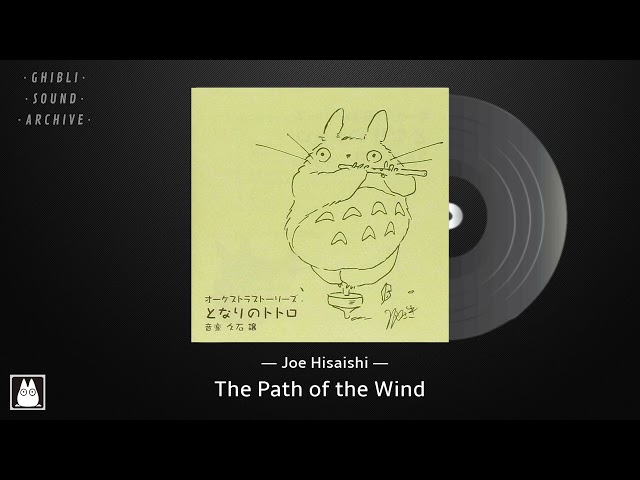
The indispensable classic “The Path of the Wind” from Studio Ghibli’s beloved masterpiece My Neighbor Totoro is presented here in an orchestral performance.
This piece is included in “Orchestra Stories: My Neighbor Totoro,” in which composer Joe Hisaishi restructured music from My Neighbor Totoro so it can be enjoyed with narration.
In the original, Hisaishi—then influenced by minimalism—used an electronic sound, but this version becomes a grand orchestral work that brings out the beauty of acoustic instruments.
The sheet music is also available, so students and members of community orchestras who want to enjoy ensemble playing on real instruments might consider giving it a try.
After the introduction, the violin solo is superb, vividly conjuring up images of Japan’s pastoral landscapes.
The Rite of SpringIgor Stravinsky

It is a work composed by the Russian composer Igor Stravinsky for ballet.
It belongs to the so-called body of “modern music,” and, due to its high degree of originality, received mixed reactions when it was first presented.
It is widely known that a massive brawl broke out among the audience at its premiere performance.
Perhaps that is how deeply the piece strikes a chord in people’s hearts.
This masterpiece, which today ranks among works of extreme virtuosity, is one you should experience with your own ears at least once.

Overture to ‘Heaven and Hell’Jacques Offenbach

This piece, commonly played at sports festivals and known as “Heaven and Hell,” is also called “Orpheus in the Underworld.” Its contrasts—ranging from beautiful melodies to cheerful ones, and even sorrowful passages—are highly captivating.
The piece is based on the story of Orpheus from Greek mythology.
Reading the synopsis deepens your appreciation of the music even further.
Symphony No. 1 “Jeremiah”Leonard Bernstein

This piece was submitted to a composition competition during the composer’s obscure years and was rejected.
However, it finally received its premiere in 1944.
It consists of three movements and is a work in which he was conscious of his own Jewish heritage.
It begins with a heavy first movement, but as you listen, his personal plea comes through clearly to the ear.
In the MoodGuren Mirā Ōkesutora

A bright, sprightly swing rhythm resonates pleasantly, making listeners feel happy—this is a true classic.
The smooth, sophisticated sound unique to the Glenn Miller Orchestra seeps deep into the heart.
Released in August 1939, the piece shines with the saxophone section’s beautiful harmonies and dance floor–minded arrangement.
A gem also featured in the 1941 film “Sun Valley Serenade” and the 1954 “The Glenn Miller Story.” Perfect for creating warm, uplifting moments—whether during a quick refresh between work or study, or at a home party with friends—it continues to be loved by many to this day.