

[Orchestra] Introducing famous and popular pieces


Among classical music, the orchestra is the most opulent and offers the widest range of expression.
When a variety of instruments, each infused with the performer’s own sensibility, come together to create a single piece of music, it produces a unique allure found nowhere else.
In this article, we’ve picked out famous and popular orchestral pieces.
Even within orchestral music, there are many genres—from symphonies and concertos to operas.
We’re introducing everything from pieces everyone has heard to works well-known among classical enthusiasts, so be sure to check them out.
- Cool classical masterpieces. Recommended classical music.
- [Masterpiece Classics] A special showcase of gem-like masterpieces so beautiful they’ll move you to tears
- Classical Masterpieces: Recommended Works You Should Hear at Least Once
- Classical masterpieces. Recommended classical music.
- Timelessly beautiful classical masterpieces. Recommended classical music.
- Masterpieces of Ballet Music: Introducing Classic Favorites
- Dvořák’s masterpiece. Popular classical music.
- [Quartet] Masterpieces and Popular Pieces for String Quartet
- Sibelius’s famous piece. Popular classical music.
- [Violin] A curated selection of beloved classic masterpieces and popular pieces that continue to be cherished across eras
- Mendelssohn’s Masterpieces | Popular Classical Music
- A poignant classic masterpiece. Recommended classical music.
- Today's Classics: Recommended classical music and great performances to listen to today
[Orchestra] Introducing Famous and Popular Pieces (21–30)
Symphony No. 3 “Eroica”Ludwig van Beethoven

Beethoven’s Symphony No.
3, widely known as the “Eroica,” is a symphony completed in 1804.
Amid the post–French Revolution world, inspired by Beethoven’s sympathy for Napoleon, it was composed as a work in his honor.
It was a revolutionary piece that transformed the symphony from music performed for the privileged classes in aristocratic salons into music played for the public in urban concert halls, and it was a groundbreaking masterpiece that greatly expanded the expressive possibilities of instrumental music.

CanonJohann Pachelbel
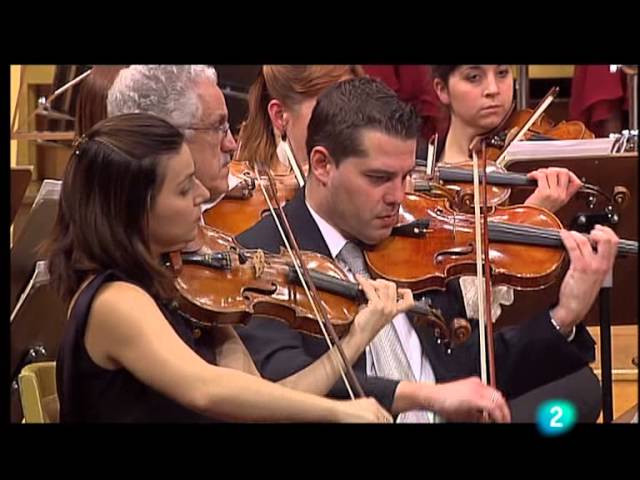
Pachelbel, a German composer active during the Baroque period, is best known and most beloved for this work.
A canon refers to a musical form in which the second and third voices imitate the phrase first played by the leading voice, much like “The Frog Chorus.” Listen for the recurring melody woven by various instruments as it unfolds.
The chord progression of this piece features what is called the “great reversed cycle,” in which the chords cycle every four measures—a progression said to make it easier to create beautiful music that captivates the listener.
Piano Concerto in A minor, Op. 16Edvard Grieg

Edvard Grieg, the great composer born in Norway.
His only piano concerto, written in 1868 when he was 25, is characterized by a majestic sonority that evokes the natural landscapes of the Nordic region.
Like Tchaikovsky’s Piano Concerto No.
1, the opening of this work is frequently used in various contexts.
The brilliant cascade of piano at the beginning is like witnessing the breathtaking scenery of the fjords.
The lyrical second movement exudes a dreamlike atmosphere, as if you were in a tranquil forest.
The finale features a bright, folk-like melody that suggests Norwegian dance.
While influenced by his fellow Romantic, Schumann, this masterpiece shines with Grieg’s uniquely Nordic character.
Symphony No. 1Vasily Kalinnikov

Kalinnikov, raised in poverty, faced numerous hardships and, in his final years, developed tuberculosis, passing away just before his thirty-fifth birthday.
Though not widely known due to his short life, this piece holds undeniable appeal.
The first movement develops its themes in various ways; the second unfolds a gentle, beautiful, and expressive melody in a hushed atmosphere; the third is marked by a rhythmically lively, folk-dance-like tune; and the fourth revisits themes from the previous movements, offering free and varied development—making it a work full of highlights.
Symphony No. 9Antonín Dvořák

Dvořák’s representative work and his final symphony, From the New World.
The “New World” refers to America, and Dvořák, having moved there, composed this piece for his homeland.
Highlights abound, from the opening of the first movement, written with the sound of a train in mind, to the beautiful, nostalgic melody of the second movement—also famous as the tune for the lyrics of “Goin’ Home.” In Japan, it is sometimes referred to as one of the “Three Great Symphonies,” alongside Beethoven’s Fate and Schubert’s Unfinished.
Symphony No. 40Wolfgang Amadeus Mozart

One of Mozart’s “Three Great Symphonies.” Most of the symphonies he composed are in major keys, and only two, including this one, are in a minor key.
Around 1788, when he wrote this work, Mozart was leaving behind a number of masterpieces and was in a musically fruitful period.
However, his private life was marked by misfortune, including the deaths of his father Leopold and his eldest daughter Theresia.
Such hardships may have given rise to works in minor keys.
This symphony, which combines Mozart’s characteristic lightness with powerful emotion and a sense of tragedy, possesses a captivating allure that continues to grip the hearts of many.
Symphony No. 5 “Revolution”Dmitrievich Shostakovich

Affectionately known as the “Revolution,” this piece premiered in November 1937 at a concert celebrating the 20th anniversary of the Russian Revolution.
At the time, artistic works were expected to depict the people living with dreams and hope as a result of the Revolution’s success.
The solemn atmosphere of the first movement recalls the suffering of those once oppressed by the Russian tsar, while in stark contrast, the fourth movement rises with brilliant brass, expressing the people overcoming hardship and finding happiness under a new nation.