

[Orchestra] Introducing famous and popular pieces


Among classical music, the orchestra is the most opulent and offers the widest range of expression.
When a variety of instruments, each infused with the performer’s own sensibility, come together to create a single piece of music, it produces a unique allure found nowhere else.
In this article, we’ve picked out famous and popular orchestral pieces.
Even within orchestral music, there are many genres—from symphonies and concertos to operas.
We’re introducing everything from pieces everyone has heard to works well-known among classical enthusiasts, so be sure to check them out.
- Cool classical masterpieces. Recommended classical music.
- [Masterpiece Classics] A special showcase of gem-like masterpieces so beautiful they’ll move you to tears
- Classical Masterpieces: Recommended Works You Should Hear at Least Once
- Classical masterpieces. Recommended classical music.
- Timelessly beautiful classical masterpieces. Recommended classical music.
- Masterpieces of Ballet Music: Introducing Classic Favorites
- Dvořák’s masterpiece. Popular classical music.
- [Quartet] Masterpieces and Popular Pieces for String Quartet
- Sibelius’s famous piece. Popular classical music.
- [Violin] A curated selection of beloved classic masterpieces and popular pieces that continue to be cherished across eras
- Mendelssohn’s Masterpieces | Popular Classical Music
- A poignant classic masterpiece. Recommended classical music.
- Today's Classics: Recommended classical music and great performances to listen to today
[Orchestra] Introducing Famous and Popular Pieces (31–40)
Hungarian Dance No. 5Johannes Brahms

Hungarian Dances consists of 21 pieces, with No.
5 being particularly famous.
It has been used as background music in various places, such as Chaplin’s The Great Dictator.
In the Hungarian Dances, features of Gypsy music are incorporated, such as raising the fourth degree by a semitone in minor keys and changing tempos.
Brahms seems to have become interested in Gypsy music after going on a performance tour with the violinist Reményi.
A Little Night MusicWolfgang Amadeus Mozart

A composition by the Austrian musician Wolfgang Amadeus Mozart, who was recognized for his exceptional musical talent from childhood and is known for leaving behind numerous masterpieces over his lifetime.
Its instantly recognizable, catchy opening and its structure—rapidly shifting in mood while never feeling convoluted—attest to the genius that has secured his place in music history.
In Japan as well, it’s one of those classical numbers often heard in TV shows, commercials, and school lessons.
With its accessibility and never-dull arrangement, it’s an imperishable classic that both aficionados of classical music and those who aren’t should know.

Symphony No. 6 “Pathétique”Peter Ilyich Tchaikovsky

Tchaikovsky is well known for his bright pieces, but as the title suggests, this work carries a sad and weighty theme.
He himself released it to the world with confidence as a grand masterpiece, and it is said to address life itself.
Pay attention to how the fourth movement ends.
Prelude to Act I from the opera ‘Die Meistersinger von Nürnberg’Richard Wagner

The piece has been used as background music in commercials for Cygames’ GRANBLUE FANTASY, McDonald’s Happy Meal, and Seven-Eleven Japan’s Seven Gold “Kin no Beer,” among others.
Die Meistersinger von Nürnberg is a musical play.
While it has a strong comedic tone, Wagner’s genius is clearly expressed.
True to its comedic nature, it features bright, up-tempo melodies.
Amid the splendor, it contains criticism of certain things, prompting listeners to reflect in various ways.

The Blue DanubeJohann Strauss II
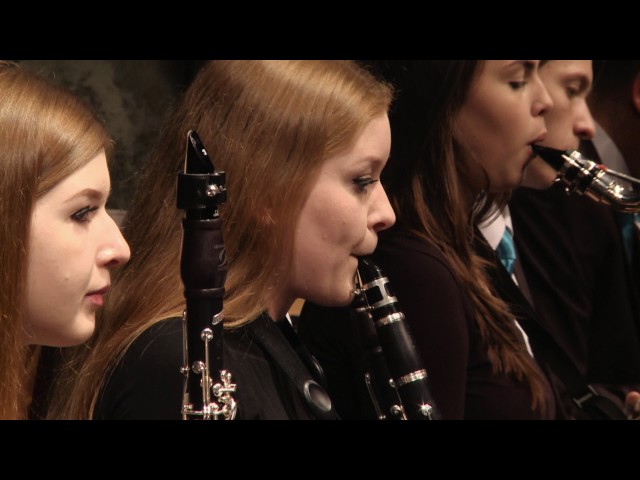
Along with Tales from the Vienna Woods and the Emperor Waltz, it is counted among Johann Strauss II’s three great waltzes, and it is the most popular of them.
In Austria it is unofficially known as a second national anthem.
It is often used in competitive ballroom dancing and ballet competitions, and it has appeared in commercials for the postal service and pharmaceutical companies, so it is a piece that almost everyone has heard at least once.
Both in Austria and abroad, when it is performed at New Year’s concerts, there is a custom of playing only a short portion of the introduction, briefly stopping, and then proceeding with New Year’s greetings from the conductor and the orchestra members.
[Orchestra] Introducing Famous and Popular Pieces (41–50)
Symphony No. 1Johannes Brahms
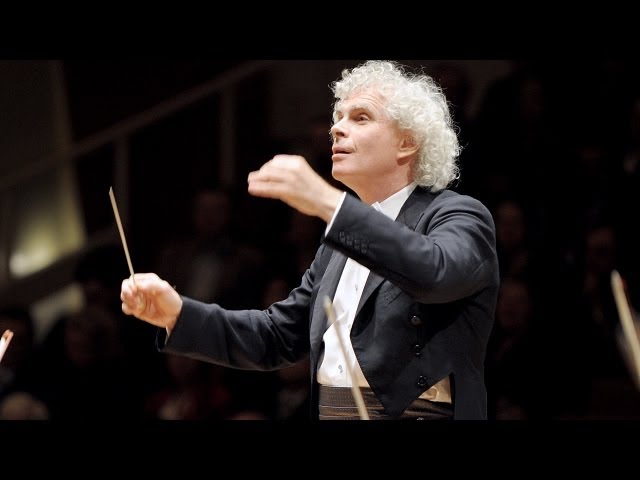
A symphony that Brahms completed in 1876.
So conscious was Brahms of Beethoven’s nine symphonies that he struggled to finish one of his own, taking 21 years from conception to completion.
Nevertheless, the work received such high acclaim that it has been called “Beethoven’s Tenth.” With a structure easily grasped by listeners—“from darkness to light”—it has now become the most frequently performed of Brahms’s symphonies.

Matador’s SongGeorges Bizet

An aria from Georges Bizet’s signature work Carmen, composed during the 19th century in France.
In Japan, it has long been widely used in TV programs and commercials, so it’s a classic number that people of all generations have likely heard at least once.
Its operatic, scenic melodies and the distinctive dynamics of classical music have a compelling power that can overwhelm listeners while drawing them in.
With sweeping rises and falls rarely found in popular music, it crafts vivid musical imagery and lets you experience a sonic world that is difficult to express outside of classical music.