

[Orchestra] Introducing famous and popular pieces


Among classical music, the orchestra is the most opulent and offers the widest range of expression.
When a variety of instruments, each infused with the performer’s own sensibility, come together to create a single piece of music, it produces a unique allure found nowhere else.
In this article, we’ve picked out famous and popular orchestral pieces.
Even within orchestral music, there are many genres—from symphonies and concertos to operas.
We’re introducing everything from pieces everyone has heard to works well-known among classical enthusiasts, so be sure to check them out.
- Cool classical masterpieces. Recommended classical music.
- [Masterpiece Classics] A special showcase of gem-like masterpieces so beautiful they’ll move you to tears
- Classical Masterpieces: Recommended Works You Should Hear at Least Once
- Classical masterpieces. Recommended classical music.
- Timelessly beautiful classical masterpieces. Recommended classical music.
- Masterpieces of Ballet Music: Introducing Classic Favorites
- Dvořák’s masterpiece. Popular classical music.
- [Quartet] Masterpieces and Popular Pieces for String Quartet
- Sibelius’s famous piece. Popular classical music.
- [Violin] A curated selection of beloved classic masterpieces and popular pieces that continue to be cherished across eras
- Mendelssohn’s Masterpieces | Popular Classical Music
- A poignant classic masterpiece. Recommended classical music.
- Today's Classics: Recommended classical music and great performances to listen to today
[Orchestra] Introducing Famous and Popular Pieces (41–50)
Symphonic Suite ScheherazadeNikolai Rimsky-Korsakov

The symphonic suite Scheherazade was composed in 1888.
This piece is based on the famous One Thousand and One Nights.
The dignified melody that opens the work is the theme of King Shahryar, and the violin that enters to gently soften it is the theme of Scheherazade, which also gives the piece its title.
The work consists of four movements, each with a programmatic title.
[Orchestra] Introducing Famous and Popular Pieces (51–60)
Overture to the operetta ‘Light Cavalry’Franz von Suppè
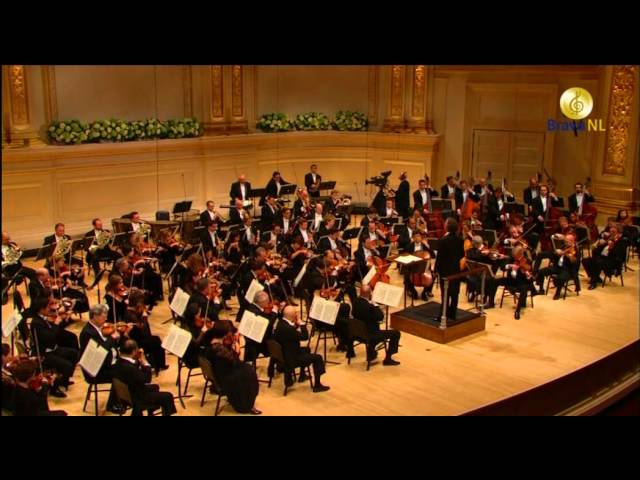
An Austrian composer Suppé’s signature work was originally a number performed in his two-act operetta Light Cavalry, but the main body of the work has been lost, and today only this overture remains.
After the famous trumpet theme rings out bravely at the opening, a march reminiscent of a horse’s gallop appears, evoking scenes of battle.
Following a wistful melody in the strings, the march returns, and the curtain falls on a bright note.
In addition to its light, deft melodies and lively rhythms, the piece embodies the unique elegance of Vienna.

Symphony No. 9 “Choral”Ludwig van Beethoven

Beethoven’s Symphony No.
9—also famous by its nickname “The Ninth”—is performed in many places at the end of the year.
Surely everyone has heard the choral fourth movement at least once? The choral melody is also well known in Japan as the song “Ode to Joy.” It has been translated into countless languages around the world and is sometimes sung in those lyrics.
Take this opportunity to enjoy “The Ninth” from beginning to end!
Horn Concerto No. 1Wolfgang Amadeus Mozart
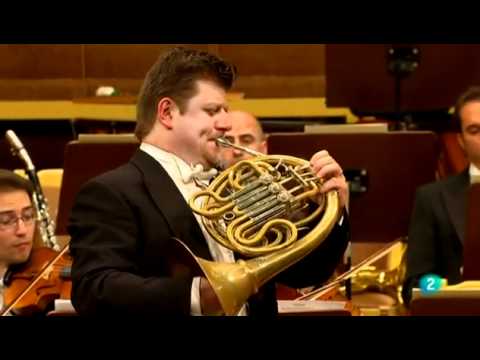
A concerto with the horn as the main timbre.
It’s suitable as background music for scenes of working in films or commercials.
With a relatively steady tempo, it’s easy to listen to, and even beginners to classical music can enter that world.
The horn doesn’t just make classical music more approachable for listeners.
In terms of imagery, it expresses in sound the state of a person completely absorbed in what’s in front of them.

Tritsch-Tratsch-PolkaJohann Strauss II

An orchestral polka composed in 1858 by the Austrian composer Johann Strauss II.
The title “Tritsch-Tratsch” is German for “women’s chatter.” It’s a lively, dazzling piece that sounds as if women are chattering away and laughing out loud! It’s a great recommendation even for those who aren’t familiar with classical music!
Symphonic Poem ‘Danse Macabre’Camille Saint-Saëns

A piece composed by Saint-Saëns based on his own song of the same name, which set to melody and piano accompaniment a poem by the French poet Henri Cazalis.
Danse macabre depicts people and the Grim Reaper dancing wildly atop graves, their bones clattering, in the face of the terror of death.
The piece follows the story’s timeline, with the music seeming to describe each scene as the narrative unfolds—so vivid that you can almost visualize it like a film.
Listen while imagining how the people and the Grim Reaper are dancing.
Elsa’s Procession to the Cathedral from the opera LohengrinWilhelm Wagner

This piece, with its majestic and sacred atmosphere, unfolds at a leisurely tempo and is distinguished by its rich orchestration.
The harmony between brass and strings is beautiful, leaving listeners deeply moved.
Premiered in August 1850, the work depicts a scene from an opera, superbly conveying the protagonist’s purity and the solemnity of the ritual.
It is often used as background music for weddings and religious ceremonies and is beloved by many.
It is recommended not only for those interested in classical music but also for anyone seeking a beautiful melody that resonates with the heart.