

Become positive with four-character idioms that resonate with the heart! Common yet deeply meaningful words.

Four-character idioms that express a positive mindset—such as “nanakorobi yaoki” (fall down seven times, get up eight), “shinki itten” (a fresh start), and “futō fukutsu” (unyielding and indomitable)—can support our hearts when we feel down or face difficulties.
These idioms, infused with the wisdom of the ancients, have the power to gently nudge us forward in our modern lives.
In this article, we’ll introduce commonly used, uplifting four-character idioms, along with their meanings and how to use them.
Encountering words that encourage you in everyday life will surely bring a fresh breeze to your heart.
- General: Four-character idioms that encourage determination—powerful, heart-stirring words
- Easy-to-remember, positive four-character idioms for elementary school kids! Words that brighten the heart
- [Kakizome] Four-character idioms fit for the New Year: Introducing words that resonate with the heart and their meanings
- Four-character idioms that express an indomitable spirit! Words to know when facing difficulties
- Four-character idioms that help you achieve goals! Phrases you can use in everyday situations
- [Four-Character Idioms] Impressive and Cool Sound! A Collection of Famous Quotes Worth Knowing as General Knowledge
- Four-character idioms for New Year’s resolutions! A collection of motivational phrase ideas
- Easy for elementary school students to remember! A four-character idiom that expresses the feeling of trying your best
- Learn the meanings too! Cool four-character idioms that elementary school students will want to remember
- Enrich your heart with beautiful four-character idioms! A collection of expressions you'll want to use in everyday life.
- Four-character idioms that pioneer the future: powerful words that express challenge and effort, perfect as personal mottos.
- Four-character idioms wishing happiness: a collection of heartwarming expressions for everyday use
- Four-character idioms that help elementary schoolers not give up: words that spark the power to keep trying
Get motivated with four-character idioms that resonate with the heart! Common yet deeply meaningful phrases (61–70)
The achievement attained through diligent study by lamplight—success won by hard, persistent effort
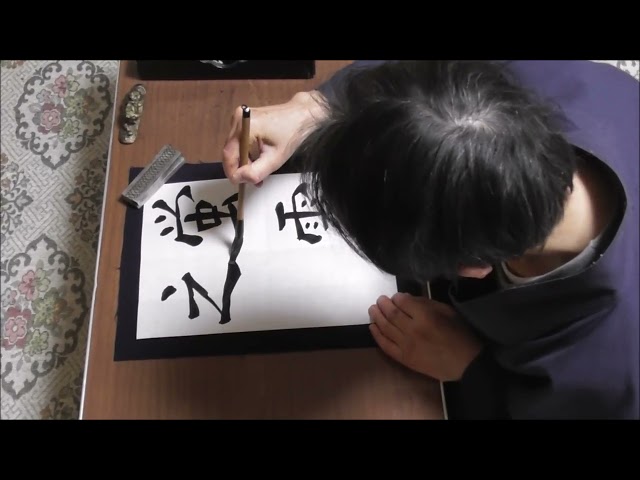
A four-character idiom derived from a Chinese classical anecdote.
It’s read as “keisetsu no kō,” and it carries the meaning that if you keep persevering and working hard, success awaits you in the end.
While you’re in the midst of making an effort, there are times when even you don’t notice your small steps of growth.
It’s an idiom with a message you’d want to convey when someone is struggling and on the verge of losing heart.
As you steadily work toward your goal, there will be moments when you feel like leaning on someone.
These are words that gently wrap around your feelings at such times.
One good deed a day
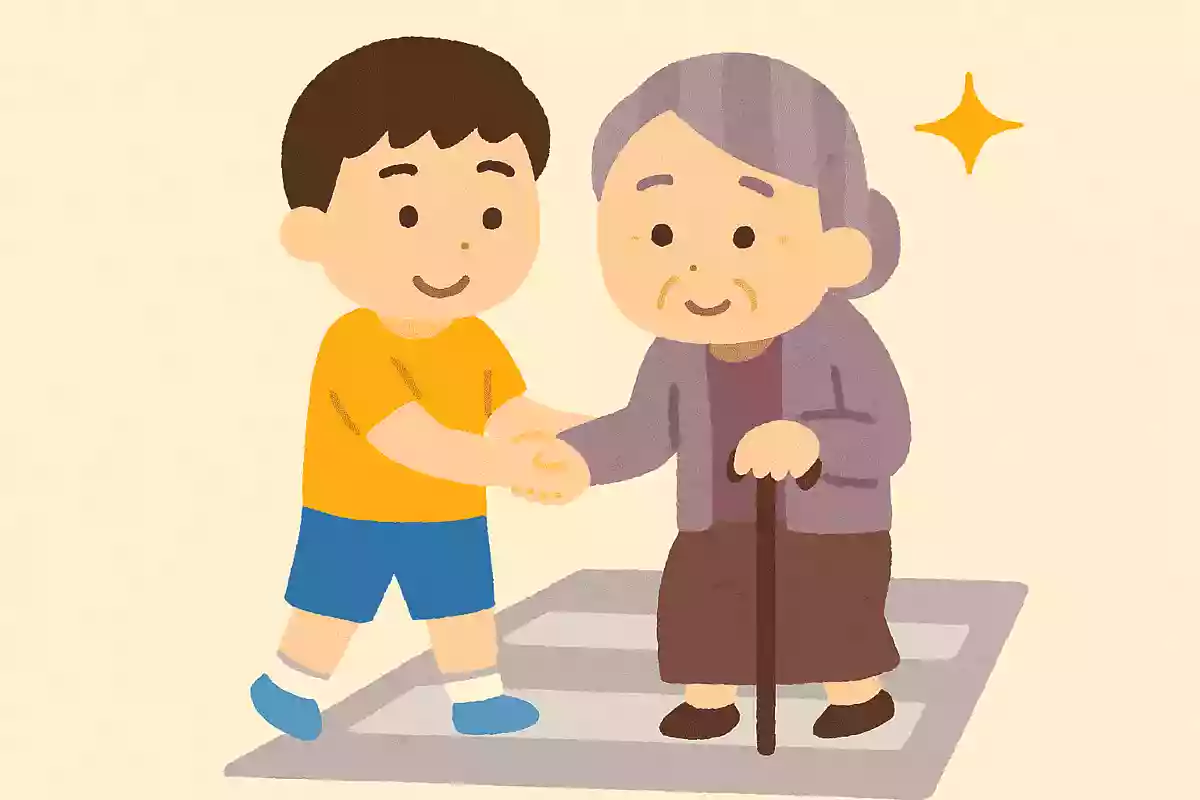
It’s a phrase that means “Do one good deed a day.” It can be something small.
For example, saying “thank you” to a friend or helping someone who’s having trouble on the street are both good deeds.
By doing even one good thing each day, you and the people around you will feel happier.
Your heart feels lighter, and you feel more energized.
If someone at school is struggling and you think, “I’ll help!”, that’s also “one good deed a day.” As you build up small acts of kindness every day, the world becomes more joyful and happy.
Keep “one good deed a day” in your heart, and spend each day with a smile.

with all one’s might

This is a phrase that expresses giving your all.
“Isshō” refers to one’s lifetime, and “kenmei” means to tackle something so seriously that you’d stake your life on it.
In other words, it means to devote yourself wholeheartedly, using all your strength.
For example, you can say, “I studied really hard to get a good score on the test,” or “I worked very hard at my job.” When you give your best effort, you’ll be able to do things you couldn’t before and gain confidence.
Even if you fail, continuing without giving up will make your heart stronger and brighter.
When you take on a challenge, try approaching it with all your might.
If you do, each day will become more enjoyable and you’ll feel more excited!
Actions speak louder than words.

This is a four-character idiom meaning “to quietly do what you’re supposed to do without saying it.” For example, before declaring, “I’ll study hard starting tomorrow!” you first sit down at your desk and begin studying—that’s fugen jikkō (action without words).
At school, if someone quietly picks up trash during cleaning time before anyone notices, or quickly helps a friend in trouble, that too is admirable fugen jikkō.
It teaches that actions matter more than words.
People who work steadily and quietly earn the trust of those around them.
Even without saying “I can do it!” your effort speaks loudest.
It’s okay if it’s something small—try silently doing what you can.
Your heart will surely feel lighter, and your confidence will grow.
giving it your all

This is a four-character idiom that means to give it everything you’ve got.
It originally comes from baseball, referring to a pitcher throwing the ball with all their strength.
Nowadays, it’s used to express the attitude of tackling anything with full effort.
For example: “I gave it my all in the relay at the sports day right to the very end,” or “I put my all into my summer vacation independent project, so I’m confident!” No matter how small the task, putting your heart into giving it your all can become a great source of strength for you.
It’s okay to fail.
The experience of trying your best will surely make you stronger!
brimming with courage

A four-character idiom that combines “courage” and “gallant,” it means “having strong, cool courage.” It’s used when someone faces scary or difficult things boldly without fear.
For example, at a sports day where everyone is cheering, a person who gets up right away after falling and runs to the very end shows ‘yuuki-rinrin.’ It expresses a heart that is strong and crisp, and it can be used stylishly by both children and adults.
When you encounter the determination to persevere without losing to any hardship at school or while playing with friends, try saying ‘yuuki-rinrin.’ Keep ‘yuuki-rinrin’ in your heart and enjoy each day!
To each their own.
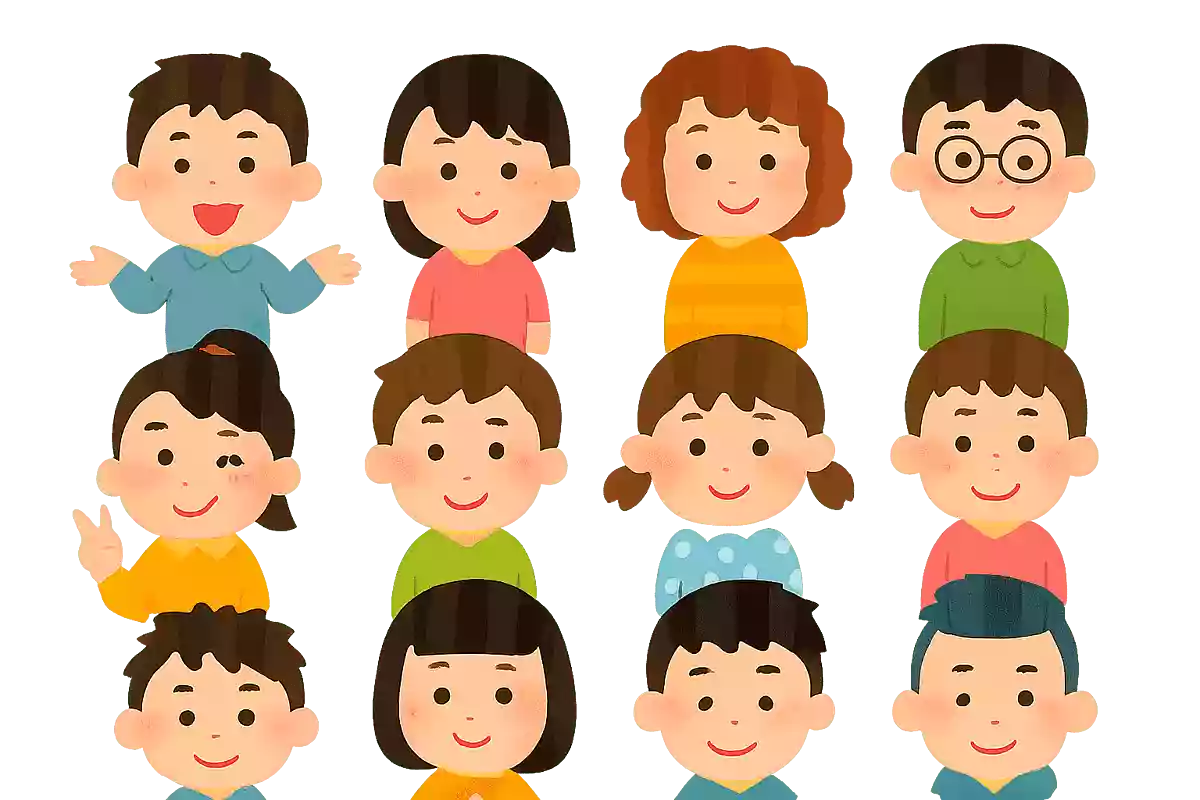
A four-character proverb meaning “ten people, ten colors = everyone has different ways of thinking and preferences.” For example, some people like curry, while others like ramen.
In the same way, it’s natural that each person values different things and likes different things.
This phrase is perfect for when you want to be considerate of those around you.
If you find yourself wondering, “Why does so-and-so think that way?”, try remembering, “Jūnin toiro—everyone’s different.” Everyone’s different, and that’s what makes everyone good.
That’s the wonderful part of this proverb.
If both adults and children can enjoy these “differences,” every day will become more colorful.