

Become positive with four-character idioms that resonate with the heart! Common yet deeply meaningful words.

Four-character idioms that express a positive mindset—such as “nanakorobi yaoki” (fall down seven times, get up eight), “shinki itten” (a fresh start), and “futō fukutsu” (unyielding and indomitable)—can support our hearts when we feel down or face difficulties.
These idioms, infused with the wisdom of the ancients, have the power to gently nudge us forward in our modern lives.
In this article, we’ll introduce commonly used, uplifting four-character idioms, along with their meanings and how to use them.
Encountering words that encourage you in everyday life will surely bring a fresh breeze to your heart.
- General: Four-character idioms that encourage determination—powerful, heart-stirring words
- Easy-to-remember, positive four-character idioms for elementary school kids! Words that brighten the heart
- [Kakizome] Four-character idioms fit for the New Year: Introducing words that resonate with the heart and their meanings
- Four-character idioms that express an indomitable spirit! Words to know when facing difficulties
- Four-character idioms that help you achieve goals! Phrases you can use in everyday situations
- [Four-Character Idioms] Impressive and Cool Sound! A Collection of Famous Quotes Worth Knowing as General Knowledge
- Four-character idioms for New Year’s resolutions! A collection of motivational phrase ideas
- Easy for elementary school students to remember! A four-character idiom that expresses the feeling of trying your best
- Learn the meanings too! Cool four-character idioms that elementary school students will want to remember
- Enrich your heart with beautiful four-character idioms! A collection of expressions you'll want to use in everyday life.
- Four-character idioms that pioneer the future: powerful words that express challenge and effort, perfect as personal mottos.
- Four-character idioms wishing happiness: a collection of heartwarming expressions for everyday use
- Four-character idioms that help elementary schoolers not give up: words that spark the power to keep trying
Become Positive with Four-Character Idioms That Resonate with the Heart! Common Yet Deeply Meaningful Words (41–50)
Say what you mean, do what you say.4

It’s a phrase often used to boost motivation by declaring your goals, with the idea that you absolutely follow through on what you say you’ll do.
It’s a playful twist on the original expression “fugen jikkō” (silent execution), which means to act without saying anything, and it is said to have become widely known through Hiromitsu Ochiai’s use of it.
It conveys the importance of putting goals into words and how doing so solidifies your resolve to push forward.
By clearly expressing your goals in words, you may also start to see the path for how to move ahead.

Become positive with four-character idioms that resonate with the heart! Common yet deeply meaningful phrases (51–60)
a serious match4

This four-character idiom expresses giving something your all and tackling it with true seriousness; it conveys the determination to seize your goal.
Originally, it referred to fighting with real swords and risking one’s life, but from the sense of “a life-or-death exchange,” it came to be used as a phrase that expresses moving forward with firm resolve.
Because it involves a contest with real swords, one might picture interactions between people, but it’s used for all kinds of goals.
Rather than meaning to defeat a goal, it reads more as an expression of one’s stance—of setting one’s own resolve.
cooperation in unity5
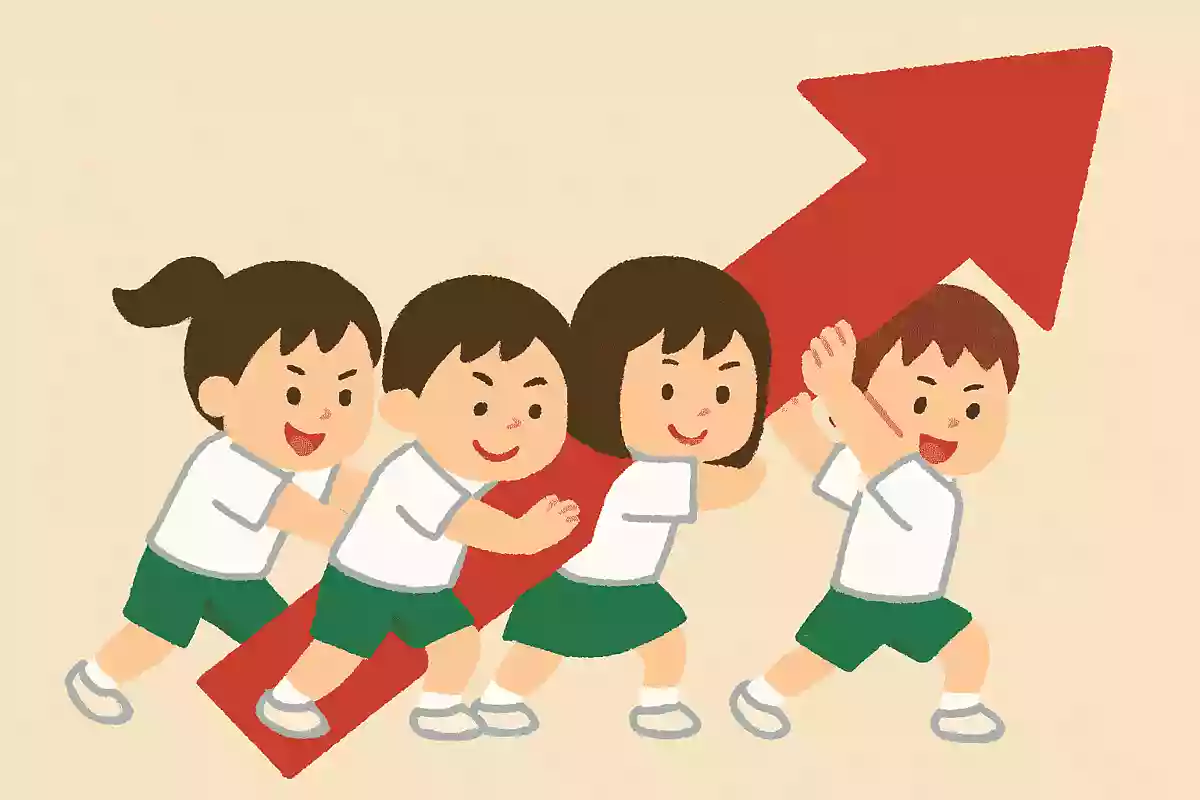
It’s a four-character idiom that expresses uniting hearts and joining forces, embodying a spirit of compromise and a drive to push forward.
When there are multiple people, differences of opinion can arise, but it conveys the idea of overcoming them and moving toward a shared goal.
It suggests an ideal in which exchanging views, setting a single objective, and advancing toward it unleashes great strength.
Rather than a phrase that simply seeks friendliness, it conveys a forward-driving attitude of mutually elevating one another and pressing ahead.
giving it your all5
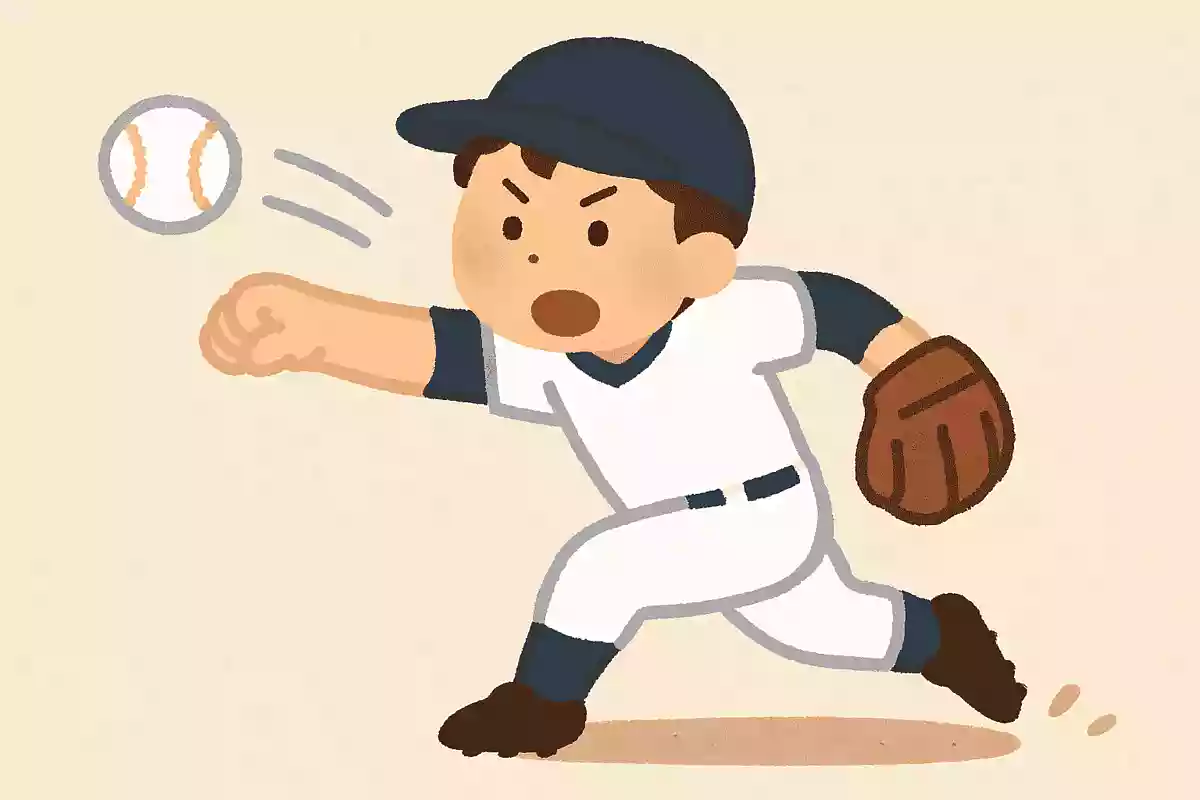
In baseball, when a pitcher throws the ball with all their strength, it’s called “zenryoku-tōkyū,” meaning a full-power pitch.
In other words, it means facing something by using all of your strength.
Don’t you also have moments when you need to give it your all? For example, before a sports match or a test.
You cut back on time for games or videos to practice or study, right? When we see that kind of dedication, we say, “That’s zenryoku-tōkyū.” Putting your whole heart into something and aiming higher is truly wonderful.

Stay true to your original intention.5

If you have goals and are working hard, be sure to remember this phrase.
Seeing through what you decided at the beginning to the very end—that is shoshi-kantetsu (carrying out one’s original intention).
If you’ve decided, “I’ll be top of the class on the test!” or “I’ll become a baseball player!”, then follow through to the end! When you feel you’re not getting closer to your goal, you might be tempted to just give up.
In moments when you feel like you’re about to lose to yourself, recall the four-character idiom shoshi-kantetsu and take a moment to reconsider why you’re pursuing that goal in the first place.
Grand unity5

This is a four-character idiom that means different groups or parties overcome their differences, join forces, and unite for a common purpose.
Because of the Daidō Danketsu (Great Unity) movement in mid-Meiji Japan, the term also carries a strong political nuance.
Still, the idea of a large number of people advancing toward a goal conveys a sense of strength.
Moving forward together toward a major objective also entails seeking understanding from those around you, and within this brief phrase you can feel the resolve to win their acceptance.
Since the word presupposes many people combining their strength, it clearly conveys the sense of striving toward a grand ideal.
single-mindedly; with undivided focus
This four-character idiom is read as “isshin furan,” and it describes the state of focusing intently on a single task.
It is used when one charges ahead toward a purpose or goal, rather than turning one’s attention to various things.
For example, during a sports match, an exam, or while absorbed in a favorite game, you might find yourself unconsciously becoming isshin furan.
However, concentrating too much on just one thing can lead to accidents or injuries, so it’s best to be careful.