

Rainy season trivia roundup: fun facts you'll want to share with someone


The rainy season that visits Japan from June to July.
Many people may not like it because the rain keeps falling.
In this article, we’ll introduce a collection of trivia about the rainy season! In addition to the origin of the name “tsuyu” and the mechanisms behind it, we’ve also picked out trivia about plants and animals during this time of year.
It may be a season that doesn’t lift your spirits, but we hope this article helps you enjoy it even a little.
These are all facts you’ll want to share with someone once you know them, so take this opportunity to learn lots of fun trivia.
- Trivia & fun facts about June
- A quiz of fun trivia: bite-sized knowledge that leads to new insights.
- Learn to Love the Rain! Fun Facts & Trivia Quiz about the Rainy Season for Kids
- [For Kids] Trivia & Fun Facts Quiz About June
- [For Seniors] Trivia Quiz & Fun Facts About the Rainy Season (Tsuyu)
- [Trivia] Did You Know? A Collection of Weather Proverb Quizzes!
- [Interesting] Compilation of Trivia Quiz Questions
- Cucumber trivia quiz. A collection of fun facts about cucumbers.
- Make weather forecasts more fun! Trivia and fun facts about the weather
- Fun facts you’ll want to share! A special feature on November trivia and tidbits
- A collection of trivia and fun facts about August that will warm your heart
- Trivia you think you know but surprisingly don’t? August trivia and fun facts quiz!
- A collection of trivia and fun facts about September as we await autumn
Rainy season trivia roundup: bite-sized facts you’ll want to share (11–20)
Hydrangeas bloom during the rainy season because they dislike strong sunlight and love water.
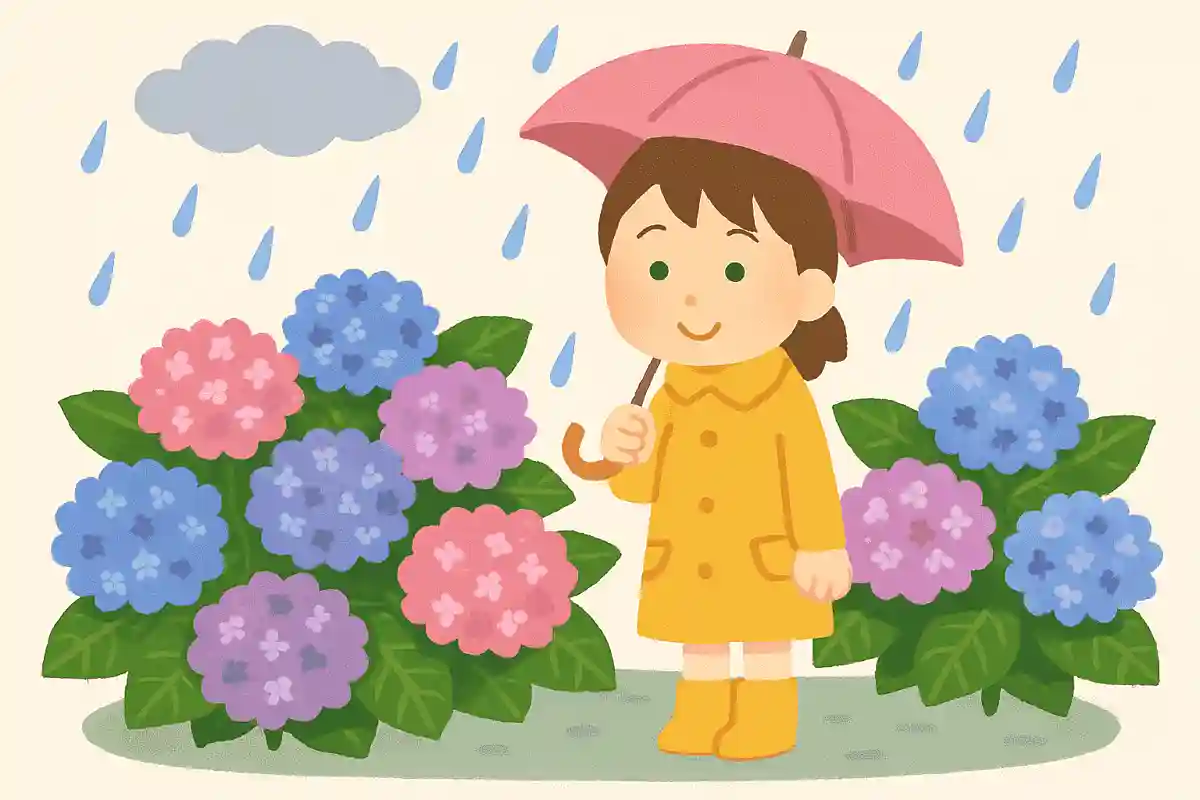
The hydrangea’s blue and purple blooms are what brighten up the rainy season, which often carries a gloomy image.
While the rainy season may seem ill-suited for flowers, it’s actually perfect for hydrangeas, which dislike harsh sunlight and love water.
Hydrangeas have many large leaves, so they transpire a lot of moisture through their foliage, and managing this is said to be important for healthy growth.
Abundant moisture in the air and soil, along with limited direct sunlight, are key conditions for hydrangeas to grow more beautifully, so be mindful of these factors when growing them indoors as well.

The folding umbrella originated in Germany.

Umbrellas that come in handy on rainy days.
The history of umbrellas is long; they are said to have been used as far back as about 4,000 years ago.
There are all kinds, from lightweight umbrellas to ones that open and close at the push of a button.
A folding umbrella is a convenient product because you can stow it compactly when not in use.
The birthplace of the folding umbrella, however, is actually overseas.
A German named Hans Haupt invented the folding umbrella.
On days when it looked like rain, Hans Haupt used to go out carrying a cane in one hand and a long umbrella in the other.
Wondering if he couldn’t make an umbrella small enough to fit in a pocket, he devised a new structure for umbrellas.
He later obtained a patent for the folding umbrella.
Incidentally, March 16—the date the patent was granted—has been designated Folding Umbrella Day.

When a cat washes its face, it will rain.
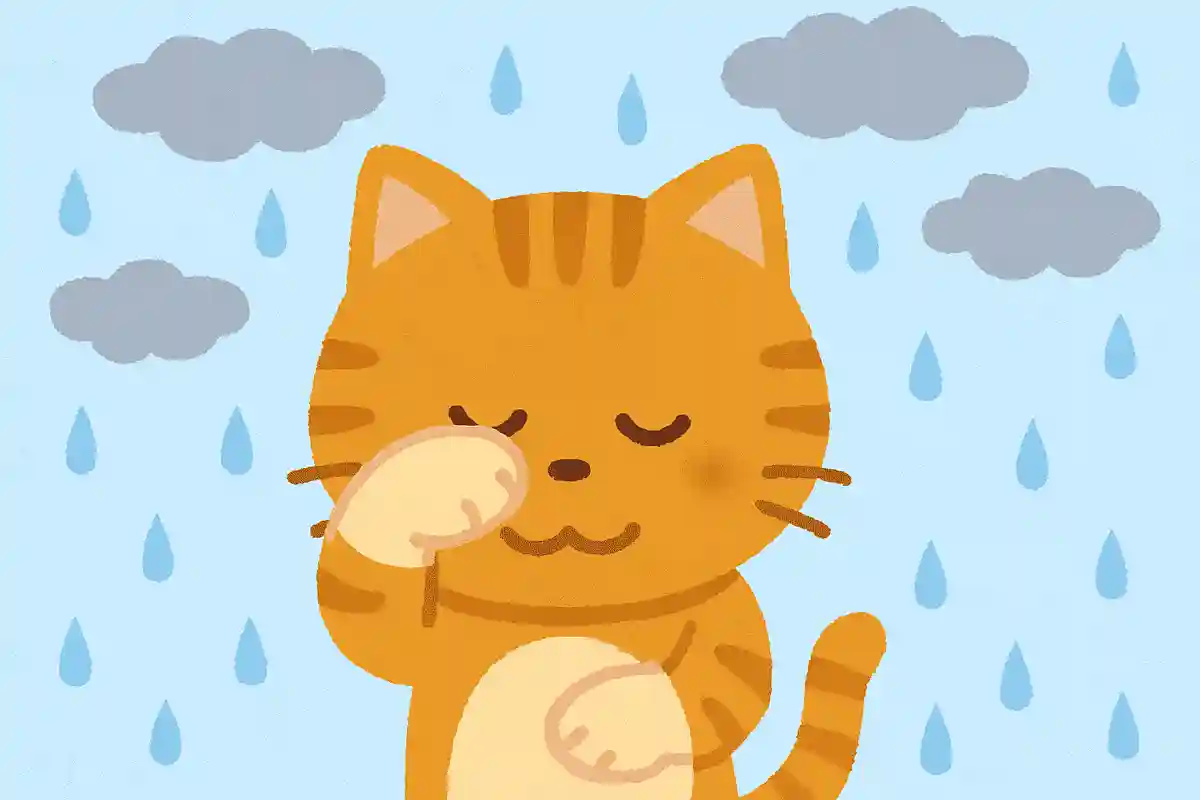
There’s a Japanese saying or metaphor that when a cat makes a gesture as if washing its face, it means it will rain soon.
It may seem like a simple comparison using a familiar animal, but there is a basis for it in the cat’s body and habits.
The key is the whiskers: they serve as sensory organs, and it’s said they help prevent the whiskers from getting dirty due to the humidity right before rain.
This expression conveys how important the area around a cat’s face is to the animal, and it also shows that people have carefully observed even the cat’s casual gestures as a familiar creature.
There are many terms like “XX-tsuyu” (various kinds of rainy seasons).
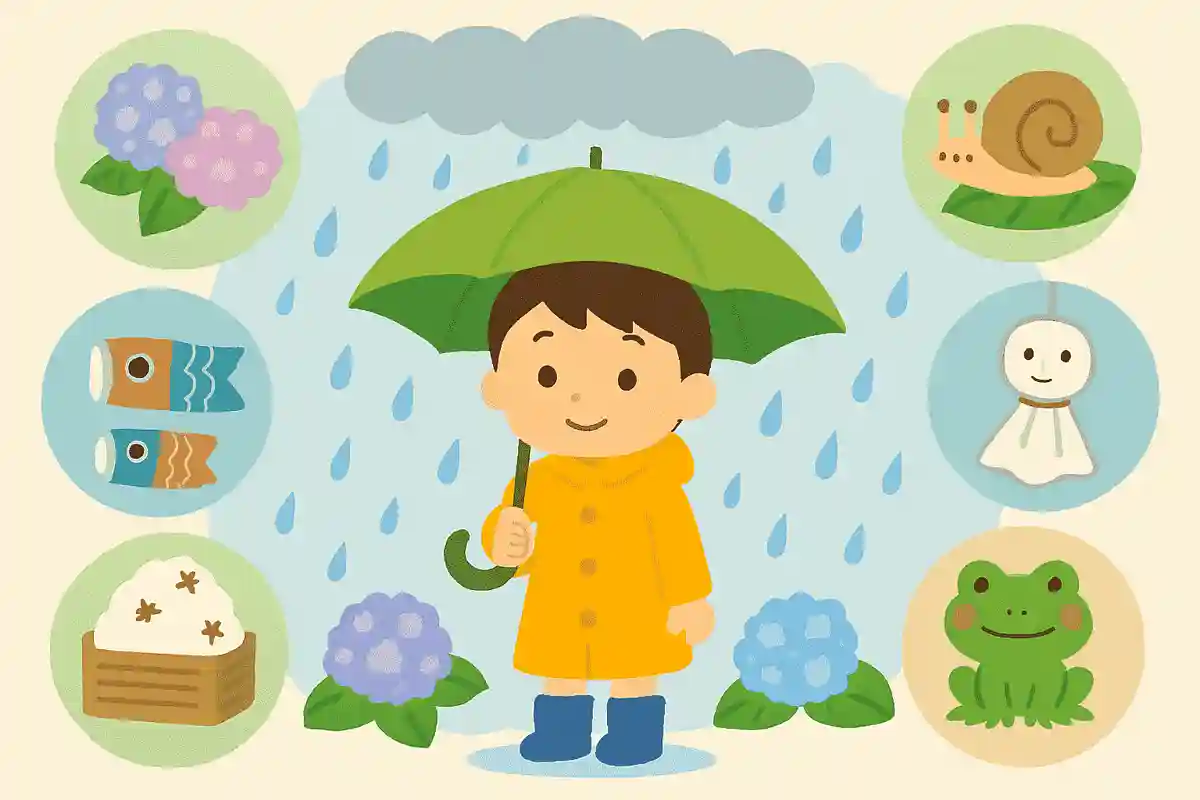
In Japan, there are many expressions that use the word “tsuyu” (rainy season), such as hashiri-zuyu, which refers to rains that come ahead of the full rainy season; okuri-zuyu, the heavy rains that seem to signal the end of the season; and modori-zuyu, long rains after the rainy season has ended that feel like a return to tsuyu.
Many of these terms describe rain patterns or refer to periods outside the typical May–July timeframe when plum fruits ripen.
There are also expressions that draw attention to seasonal plants, such as natane-zuyu for the long rains from March to April, and takenoko-zuyu for the rains in the first half of May.
When you want to restore an umbrella’s water repellency, apply warm air from a hair dryer.
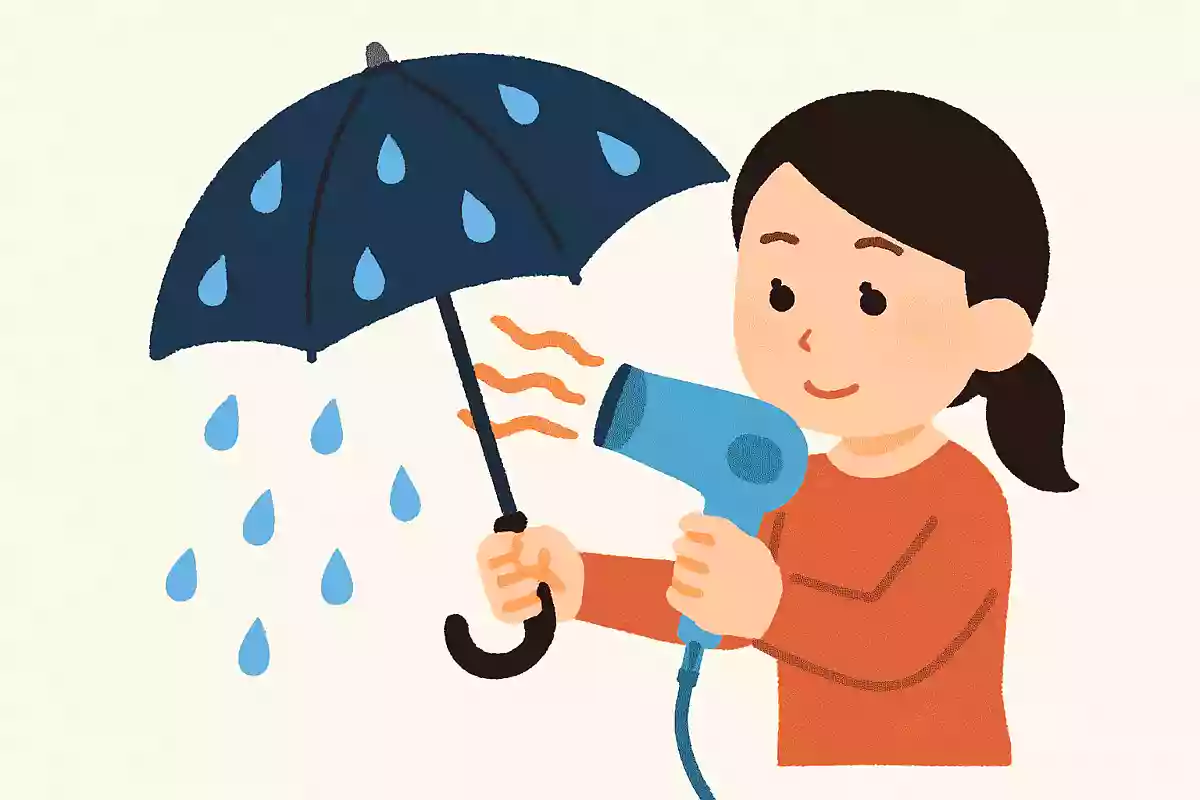
Umbrellas that shield us from the rain are treated with a water-repellent finish.
However, their water-repellent performance inevitably declines with use.
The reason is that the fluoropolymer molecules, which line up to repel water, become dirty or get abraded and disrupted.
One idea to restore this is to use a hair dryer to apply warm air.
When you do, the disrupted fluoropolymer alignment is said to return to its original state.
Be careful not to apply heat for too long, as it can damage the fabric.

Newspapers are an ideal item for dehumidifying.
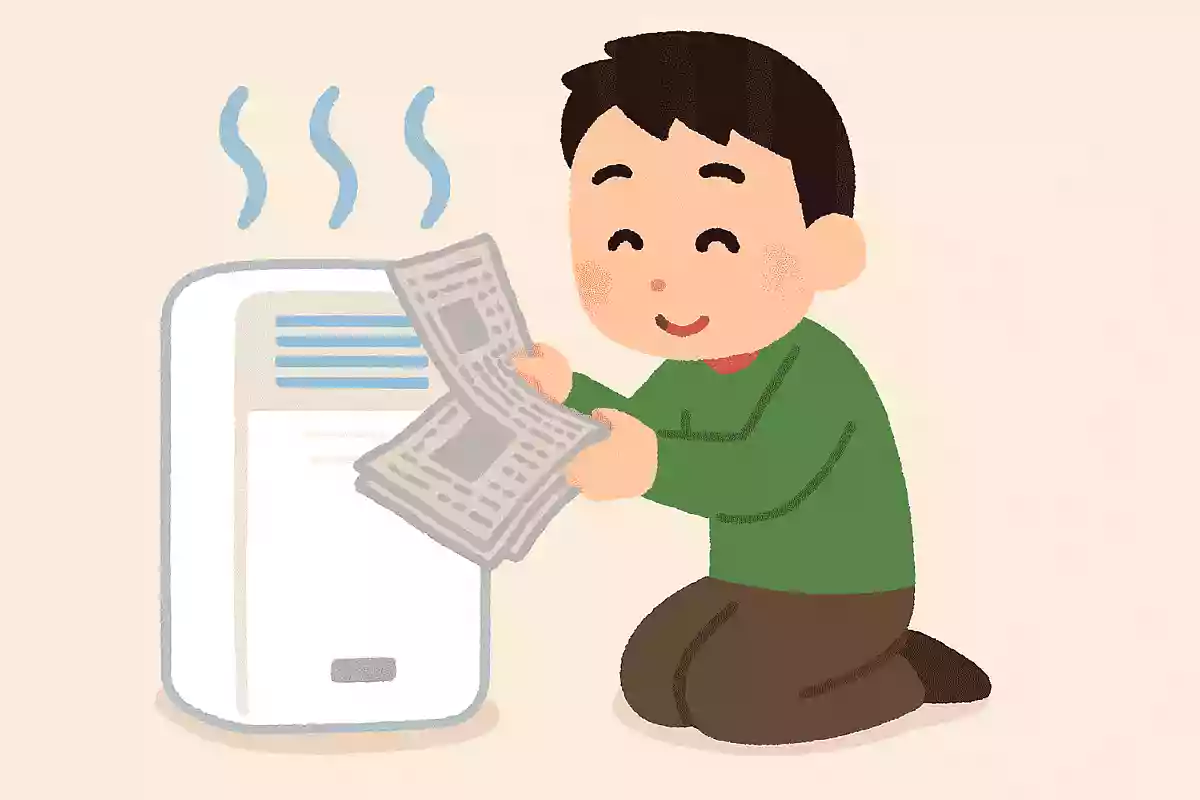
That clammy humidity becomes a concern during the rainy season.
Have you ever had the experience of hanging freshly washed clothes indoors only to find they take ages to dry? Newspaper is actually an ideal item for dehumidifying storage spaces and rooms.
Because the surface of newspaper is uneven, it absorbs moisture more readily than regular paper.
It’s easy to use too—just lay it down and you can expect a dehumidifying effect.
If you crumple some up, put it inside your shoes overnight, and then dry them in the sun, they’ll dry even faster.
Since you’re using newspapers you’ve already finished reading, it’s more economical than buying dehumidifiers over and over.
A roundup of rainy season trivia: fun facts you'll want to share (21–30)
There are years when the rainy season doesn’t end.
We hear the term “the start of the rainy season” every year, don’t we? As the name suggests, it indicates that the rainy season has begun, and it’s announced by regional meteorological observatories.
You might assume that after the start comes an official “end of the rainy season,” but in fact, sometimes it’s never declared.
The reason is the ambiguity in how it’s determined.
There are no clear-cut criteria for declaring the start or end, so the season can pass without an official announcement of its end.
Keep an eye on the weather forecast to see whether the end of the rainy season gets announced.
