

Rainy season trivia roundup: fun facts you'll want to share with someone


The rainy season that visits Japan from June to July.
Many people may not like it because the rain keeps falling.
In this article, we’ll introduce a collection of trivia about the rainy season! In addition to the origin of the name “tsuyu” and the mechanisms behind it, we’ve also picked out trivia about plants and animals during this time of year.
It may be a season that doesn’t lift your spirits, but we hope this article helps you enjoy it even a little.
These are all facts you’ll want to share with someone once you know them, so take this opportunity to learn lots of fun trivia.
- Trivia & fun facts about June
- A quiz of fun trivia: bite-sized knowledge that leads to new insights.
- Learn to Love the Rain! Fun Facts & Trivia Quiz about the Rainy Season for Kids
- [For Kids] Trivia & Fun Facts Quiz About June
- [For Seniors] Trivia Quiz & Fun Facts About the Rainy Season (Tsuyu)
- [Trivia] Did You Know? A Collection of Weather Proverb Quizzes!
- [Interesting] Compilation of Trivia Quiz Questions
- Cucumber trivia quiz. A collection of fun facts about cucumbers.
- Make weather forecasts more fun! Trivia and fun facts about the weather
- Fun facts you’ll want to share! A special feature on November trivia and tidbits
- A collection of trivia and fun facts about August that will warm your heart
- Trivia you think you know but surprisingly don’t? August trivia and fun facts quiz!
- A collection of trivia and fun facts about September as we await autumn
A roundup of rainy season trivia: fun facts you'll want to share (21–30)
When ants form a line, it will rain.
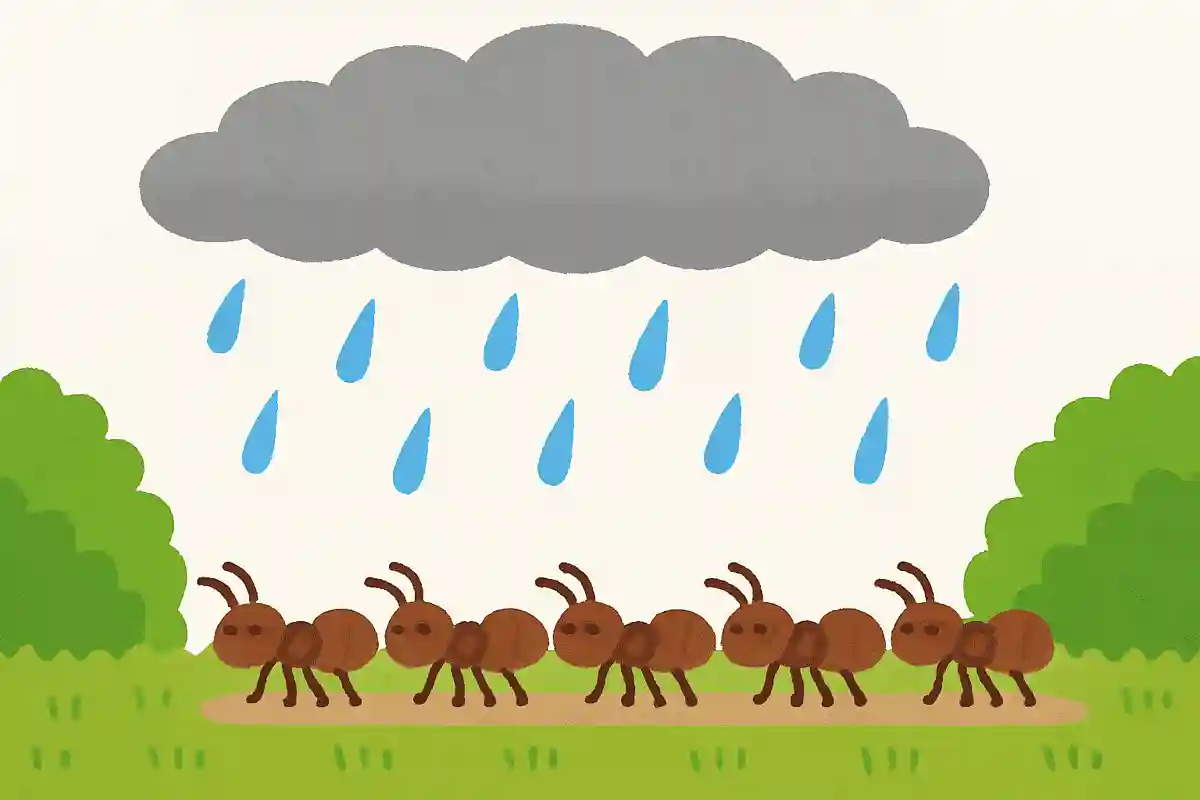
We tend to think that seeing ants marching in a line is an everyday sight, but they might actually be predicting rain! It’s said they move to safer places to protect their precious eggs—their future offspring—from the rain.
Ants are sensitive to changes in air pressure and humidity, and likely use that information to avoid danger.
It’s also said that before a heavy downpour, instead of moving, they will seal their nest entrances with soil.
So if you notice that the nest entrances ants usually use are nowhere to be seen, it might be a sign that rain is on the way.

The vinyl umbrella was born in Japan.
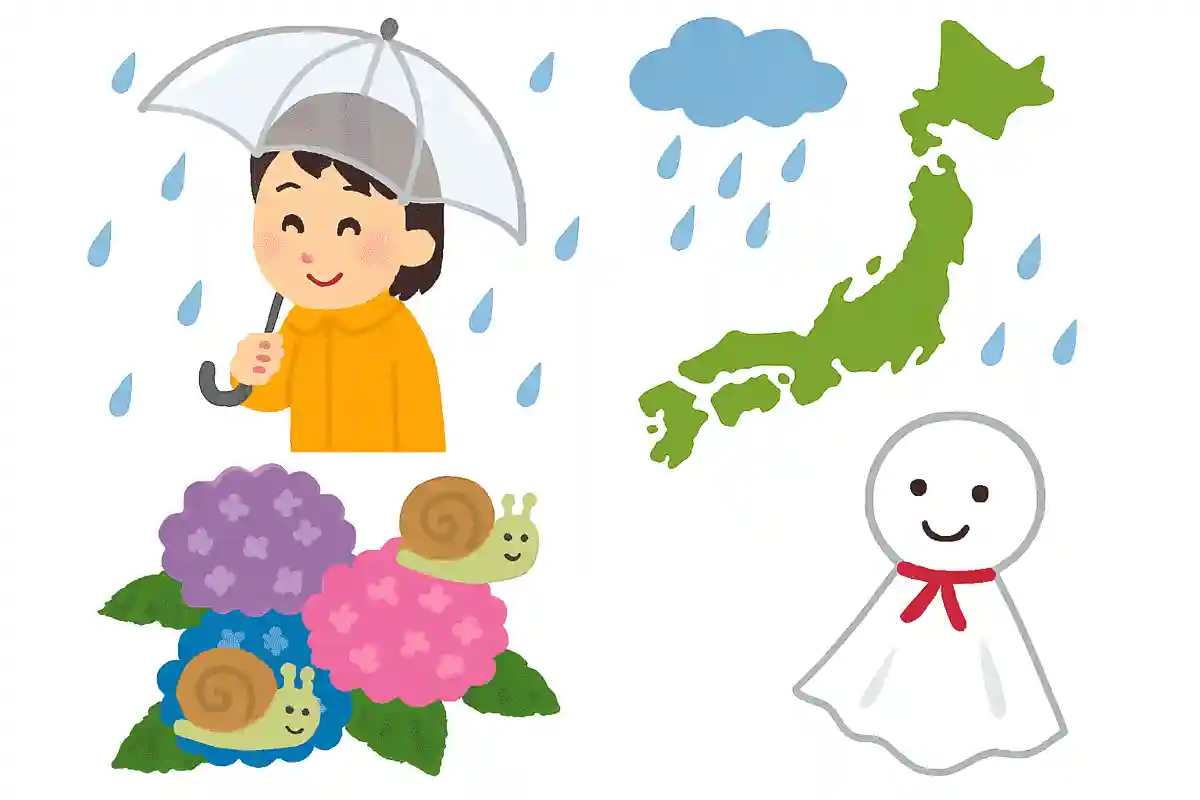
Vinyl umbrellas that you can easily buy anywhere—like at convenience stores or 100-yen shops—actually originated in Japan.
Did you know that? They were developed by a long-established umbrella maker in Asakusa, but at first they weren’t vinyl umbrellas; they were vinyl umbrella covers.
Later, as companies began releasing increasingly high-performance umbrellas, the vinyl umbrella itself was developed.
However, it initially didn’t sell well in Japan.
It only started gaining worldwide attention after being sold in New York, where it became a hit.
A collection of rainy season trivia: fun facts you'll want to share (31–40)
When frogs are croaking a lot, it will rain.
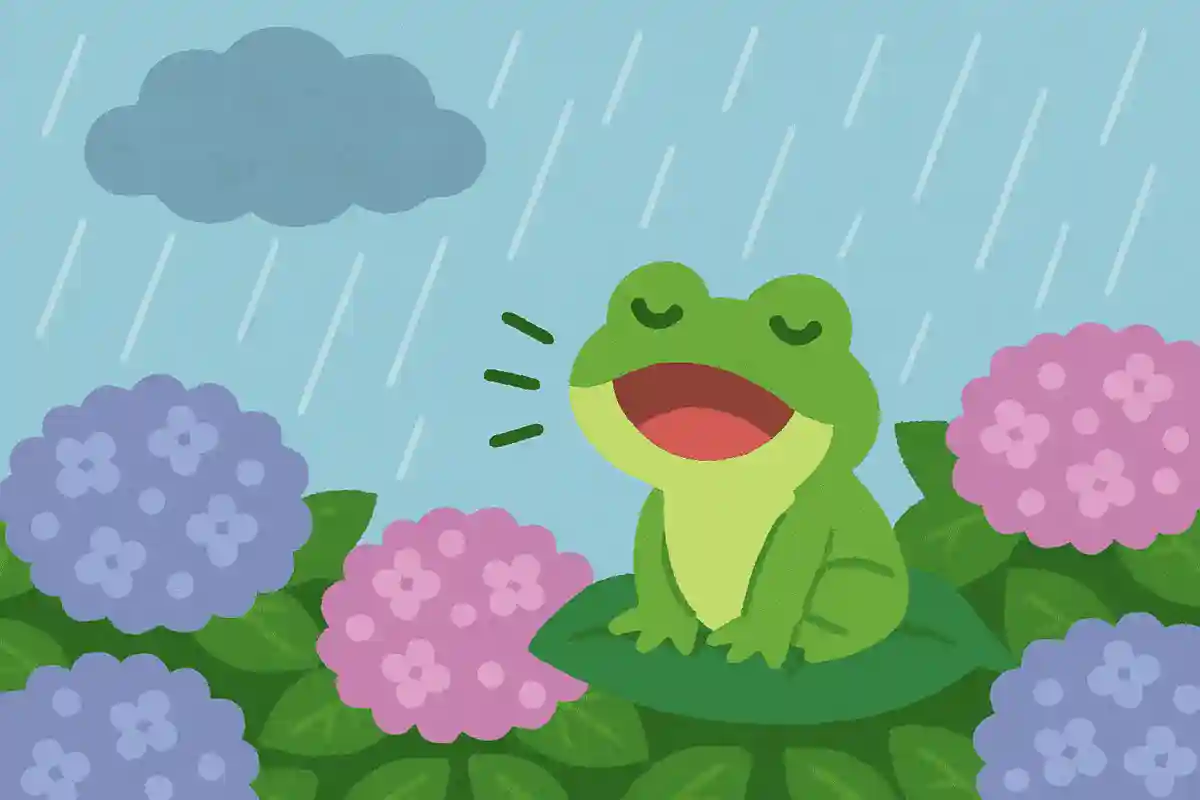
When it comes to creatures on rainy days, snails are a classic! And we often see frogs too, right? In fact, there’s an old saying about frogs: if frogs are croaking a lot, it’s going to rain.
Frogs are very sensitive to humidity because they breathe through their skin, and they have a habit of starting to croak when the humidity rises.
A university study even looked into this saying and found that the probability of rain was indeed higher when frogs were croaking.
However, frogs also croak to attract mates or when a predator approaches, so it’s not a sure thing.

Teru teru bozu have existed since the Edo period.

Teru teru bozu are said to have existed since the Edo period, as they appear in ukiyo-e prints and senryu poems.
There are various theories about their origin, but two leading ones are: that they were introduced from China as “Saoqing Niang,” figures made to pray for clear skies, and that they derive from weather rituals advocated by the folklorist Yanagita.
In the Edo period, teru teru bozu were called “teri-bina” or “teriteri-bozu.” They were made of paper or cloth, as they are today, but their appearance reportedly included wearing kimono.
In conclusion
We introduced a collection of fun facts about the rainy season all at once. In addition to the origin of the name and how it works, we also covered topics related to rain. They were all the kind of tidbits you’ll want to share once you know them, so take this opportunity to remember lots of them!