

Ranking of Popular Oldies and Classic Songs [1960s Japanese Music Rankings]

We present the latest top 100 ranking of classic Japanese pop songs, all at once, ordered by the highest number of plays!
We’ve picked out nostalgic hits from the 1960s!
Listening again, you’ll notice many songs are still being revived today.
Be sure to check them out.
The playlist is updated weekly.
- Nostalgic Japanese hit songs from the 1960s. A collection of popular Showa-era classic melodies.
- Classic and hit kayōkyoku songs from the nostalgic 1960s
- Classic and hit Japanese pop songs from the nostalgic 1960s
- Hit songs in Japan in the late 1960s
- Popular Oldies and Classic Songs Ranking: 1970s Japanese Music
- [Recommended for people in their 70s] Classic nostalgic hits: A collection of youth songs
- A collection of nostalgic hit songs and classics from the 70s
- A roundup of classic Showa-era kayō songs: a comprehensive introduction to timeless tracks loved across generations.
- [Today's Recommended Nostalgic Songs] Memories from those days come flooding back! A collection of gem-like classics
- Good songs recommended for people in their 60s: classic and popular Japanese tracks
- Popular Showa-era pop. Timeless hit songs.
- Popular Japanese songs among men in their 60s: recommended masterpieces and classic tracks
- A heartbreak song that resonates in the chest of a man in his 60s: memories of youth woven by classic Showa-era masterpieces
Popular Oldies and Classic Songs Ranking [1960s Japanese Music Ranking] (81–90)
Between the Sky and YouNakajima Miyuki81rank/position

Singer-songwriter Miyuki Nakajima holds the remarkable record of topping the singles chart across four decades, from the 1970s through the 2000s.
Her 31st single, Between the Sky and You, released as a double A-side with Fight!, became a million-selling hit as the theme song for the TV drama A Homeless Kid, which sparked a major social phenomenon.
The sentimental lyrics, woven through her trademark powerful vocals, instantly bring scenes from the drama to mind as you listen.
It’s an emotional number that’s sure to draw attention at karaoke, especially with people from that generation.

Rainy BlueTokunaga Hideaki82rank/position

A quintessential Showa-era ballad and Hideaki Tokunaga’s debut song.
His husky yet clear, beautiful voice perfectly conveys a poignant mood that evokes the lingering afterglow of a love shrouded in rain.
Released in January 1986, the lyrics were written by Makoto Oki, with the composition by Tokunaga himself.
The song is notable for its lyrics depicting the feelings of someone still haunted by a love that has ended.
A memorable ballad you’ll want to hear on a rainy day, it continues to be cherished across generations.
Harmony at Summer’s EndInoue Yosui & Anzen Chitai83rank/position

Since its release in 1986, this song has continued to be cherished as a classic for the end of summer.
Speaking of Anzenchitai, it’s the band fronted by Koji Tamaki, and they’re also known for having performed as Yosui Inoue’s backing band before their debut.
It was within the exchange between these two acts that this song was born.
Both Yosui Inoue and Koji Tamaki have uniquely captivating voices, but the harmony created when their voices blend is truly one of a kind.
The poignant lyrics—woven with exquisite harmonies—overlay the end of summer with the parting of a man and a woman, deeply moving countless listeners.

The hottest summer in the worldPRINCESS PRINCESS84rank/position

When it comes to summer songs by Princess Princess—the legendary girls’ band that defined the Showa era—nothing tops “The Hottest Summer in the World.” Released in 1987 as their eighth single, it didn’t sell much at first, but when it was re-released in 1989 after the band broke through, it hit No.
1 on the Oricon singles chart.
The 2001 TV drama The Hottest Summer in the World, starring Goro Kishitani, was actually inspired by this song.
With its refreshing, summery sound and exhilarating drive, it’s a track you should definitely give a listen!

I like you, I like you—I love you.Togawa Jun85rank/position
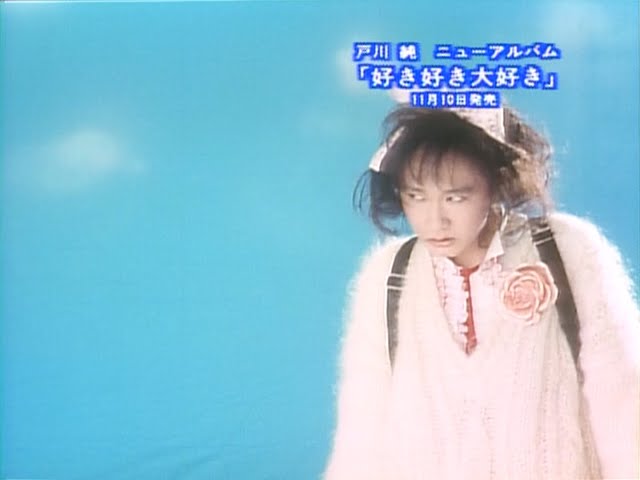
Jun Togawa’s music is known for its distinctive worldview and expressive power.
This work, which depicts extreme expressions of affection and explosive, intense emotions, may at first seem like a love confession, yet it portrays a form of love with violent and obsessive aspects.
Released in November 1985 as the title track of its album, it was produced and art-directed by Togawa herself.
Its title, inspired by the works of R.
D.
Laing, and its unique vocals are particularly notable.
In recent years, it has become a viral hit among overseas TikTok users, gaining a new fan base.
Highly recommended for those who resonate with fierce emotional expression or who want to explore fresh facets of Showa-era kayō music.