

Ranking of Popular Oldies and Classic Songs [1960s Japanese Music Rankings]

We present the latest top 100 ranking of classic Japanese pop songs, all at once, ordered by the highest number of plays!
We’ve picked out nostalgic hits from the 1960s!
Listening again, you’ll notice many songs are still being revived today.
Be sure to check them out.
The playlist is updated weekly.
- Nostalgic Japanese hit songs from the 1960s. A collection of popular Showa-era classic melodies.
- Classic and hit kayōkyoku songs from the nostalgic 1960s
- Classic and hit Japanese pop songs from the nostalgic 1960s
- Hit songs in Japan in the late 1960s
- Popular Oldies and Classic Songs Ranking: 1970s Japanese Music
- [Recommended for people in their 70s] Classic nostalgic hits: A collection of youth songs
- A collection of nostalgic hit songs and classics from the 70s
- A roundup of classic Showa-era kayō songs: a comprehensive introduction to timeless tracks loved across generations.
- [Today's Recommended Nostalgic Songs] Memories from those days come flooding back! A collection of gem-like classics
- Good songs recommended for people in their 60s: classic and popular Japanese tracks
- Popular Showa-era pop. Timeless hit songs.
- Popular Japanese songs among men in their 60s: recommended masterpieces and classic tracks
- A heartbreak song that resonates in the chest of a man in his 60s: memories of youth woven by classic Showa-era masterpieces
Popular Oldies and Classic Songs Ranking [1960s Japanese Music Ranking] (91–100)
Message of RougeMatsutoya Yumi96rank/position

This is a song distinguished by its lively rhythm and refreshing melody.
The story of a woman who discovers her boyfriend’s infidelity, leaves a message written in lipstick on the bathroom mirror, and boards a train to visit his mother is bold and humorous, making it especially appealing.
While it carries a cautionary message about cheating, it also presents a positive, strong female figure—one of Yumi Matsutoya’s masterpieces.
Released in February 1975 and included on the album COBALT HOUR, the track features chorus contributions from Tatsuro Yamashita and others, resulting in a vibrant sound.
In 1989, it was chosen as the opening theme for the film Kiki’s Delivery Service, and it has continued to be loved across generations.
With its bright and cheerful tone expressing powerful feelings toward a lover, this song gently encourages women struggling with romance and is highly recommended to many listeners.
Love is overŌyō Fifi97rank/position

Ouyang Feifei’s classic “Love Is Over.” It’s a timeless hit cherished by a wide range of generations, from adults to younger listeners.
I’ve heard the song was created with the image of “a woman who finally runs out of patience with her younger, unemployed boyfriend,” but it doesn’t just depict her giving up—it beautifully conveys lingering attachment and affection as well.
Perhaps the charm of Showa-era songs lies in how they gently evoke such deep emotions without being too direct.
There are many cover versions too, so it can be fun to compare them with the original and enjoy the unique flavor of each.

wicked womanNakajima Miyuki98rank/position

Still beloved today as a classic from the Showa era, this work features Miyuki Nakajima’s soul-stirring vocals and a poignant love story that resonates deeply.
Released as a single in October 1981, it is known as one of Nakajima’s signature songs.
The lyrics, which portray a woman’s feelings as she sacrifices herself for the one she loves, strike a chord with listeners.
Covered by numerous artists, it has been cherished both in Japan and abroad.
It’s a song recommended for listening alone on a quiet night.
A gem that accompanies those suffering in love or harboring a bittersweet longing.
A café in a student districtGaro99rank/position
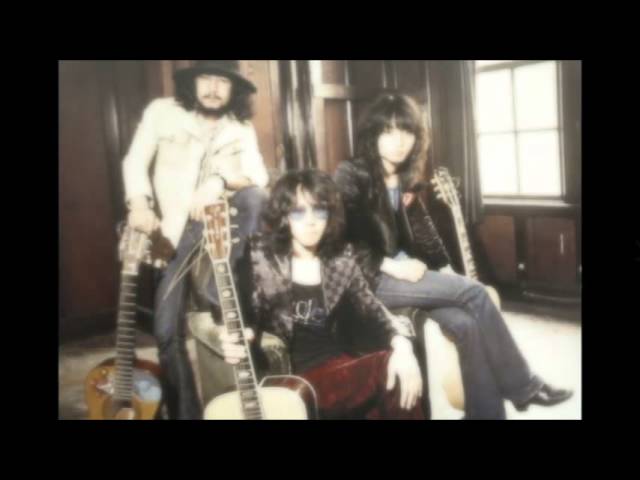
This was the third single by the Japanese folk group Garo, released in June 1972 (Showa 47).
It became a massive hit, topping the Oricon chart for seven consecutive weeks in 1973 (Showa 48), but the surprising fact is that at the time of its release it was actually treated as the B-side.
I have very fond memories of singing this song at my middle school choral competition, and I imagine many of you may have had similar experiences.
It’s another classic from the Showa era—simple, easy to remember, and easy to sing!

The Last RainYasushi Nakanishi100rank/position

A sorrowful love song in which Yasushi Nakanishi’s straight, high-toned voice pierces the heart.
After a long run, it sold 900,000 copies in 1998—six years after its release—becoming his biggest hit.
It has been covered by major artists such as Kumi Koda, Anri, and Hiroshi Itsuki, and Nakanishi himself re-recorded it as a bonus track for his 2007 cover album.
A painful farewell to someone loved so deeply that forgetting seems utterly impossible.
Many listeners may find themselves empathizing with that uncontainable sorrow.
