

Ludwig van Beethoven Popular Songs Ranking [2026]

The great master Beethoven, who is even rumored to have led a sad life.For many people, when you think of classical music, you think of Beethoven.We’ve compiled a ranking of his quintessential pieces.As you go through it, you might also catch a glimpse of changes in his mental state through the shifts in his musical style.
- Pick up Beethoven’s famous and representative works!
- Johannes Brahms Popular Songs Ranking [2026]
- Frederic Chopin Popular Songs Ranking [2026]
- Gustav Mahler Popular Songs Ranking [2026]
- J.S. Bach Popular Songs Ranking [2026]
- Franz Liszt Popular Song Ranking [2026]
- [Masterpiece Classics] A special showcase of gem-like masterpieces so beautiful they’ll move you to tears
- Leonard Bernstein Popular Song Rankings [2026]
- Wolfgang Amadeus Mozart Popular Song Rankings [2026]
- Anton Bruckner Popular Songs Ranking [2026]
- Franz Schubert Popular Songs Ranking [2026]
- Franz Joseph Haydn Popular Song Rankings [2026]
- Giuseppe Verdi Popular Songs Ranking [2026]
Ludwig van Beethoven Popular Songs Ranking [2026] (61–70)
Piano Sonata No. 8 “Pathétique”Ludwig van Beethoven64rank/position
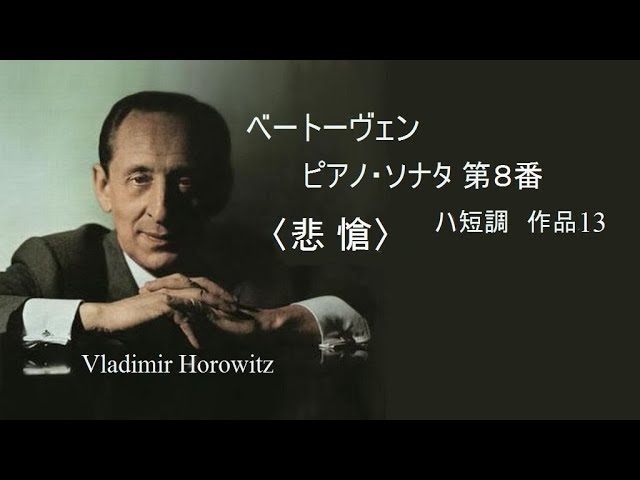
Alongside the Moonlight and Appassionata, this Pathétique Sonata is known as one of the three great piano sonatas and stands among Beethoven’s most celebrated masterpieces.
As its title suggests, from the very beginning the piece overflows with a sense of tragic intensity, and the occasional impassioned passages further accentuate its pathos.
The second movement is frequently used in television commercials, so many listeners will likely find it familiar.
Piano Sonata No. 8 “Pathétique,” Second MovementLudwig van Beethoven65rank/position
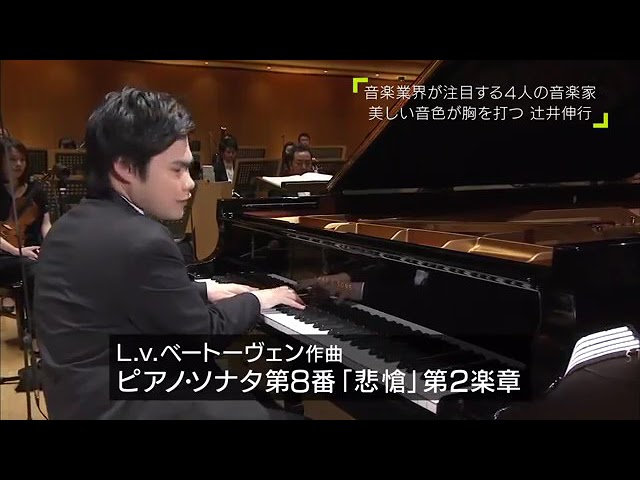
Known as a classic masterpiece of classical music, this piece is characterized by its leisurely tempo and elegant melody.
Composed in 1798, it is a work that fully showcases Beethoven’s youthful genius.
Its gentle strains bring deep peace to listeners.
It was used in the film “A Boy Named Charlie Brown” and has long been beloved by many.
Its influence is far-reaching, even being quoted in Billy Joel’s “This Night.” It’s perfect as background music for a quiet evening of relaxation or for times when you want to concentrate.
Surrendering yourself to its graceful melody will offer a pleasantly soothing experience.
Piano Sonata No. 8 “Pathétique,” Second MovementLudwig van Beethoven66rank/position
Composed by Ludwig van Beethoven around 1798, this piece was published in 1799 by Eder in Vienna and is widely known as one of Beethoven’s major early works.
Consisting of three movements, it condenses a rich variety of expression: a solemn introduction leading to dramatic development, a lyrical and beautiful melody, and a lively rondo form.
The second movement, in particular, is beloved for its beautiful melody and is frequently used in television and film, so many listeners may find it familiar.
It’s a perfect choice for graduation ceremony background music—the moving melody will make those important milestone moments even more memorable.
Piano Sonata No. 14 “Moonlight,” First MovementLudwig van Beethoven67rank/position

This is one of Beethoven’s signature works, depicting a magical scene where the night’s silence and moonlight are reflected on the surface of a lake.
The beautiful melody woven by the left hand’s octaves and the right hand’s triplets soothes the listener and leaves a deep impression.
Completed in 1801 and dedicated in 1802 to one of Beethoven’s students, the piece departs from conventional movement arrangement, giving the whole work a distinctive sense of motion.
Performance directions calling for delicate playing with the damper raised further heighten its ethereal, dreamlike atmosphere.
It’s a perfect choice as quiet nighttime background music or for moments when you want to relax.
Piano Sonata No. 20 in G majorLudwig van Beethoven68rank/position

We present a piano piece composed by the great master of classical music, Beethoven, specifically for beginners.
Written around 1795, its first edition was titled “Deux Sonates Faciles” (Two Easy Sonatas), and it is characterized by a concise, approachable style in two movements.
The first movement features a dignified tonic chord and a triplet motive, while the second movement is notable for a graceful, minuet-like melody.
Although relatively easy to perform, the piece showcases Beethoven’s compositional technique and aesthetic sensibility.
It is an excellent choice for those who have just started learning the piano or are newly interested in classical music.
With its bright, warm atmosphere, it is sure to captivate audiences at recitals.
Romance in E-flat majorLudwig van Beethoven69rank/position

Ludwig van Beethoven, the composer of Fate with its striking “Da-da-da-DAAA!” motif, also wrote Romance in F major—a work with a different feel from his usual image.
As the title “Romance” suggests, its sweet, romantic melody is beautiful.
While F major is a bright key, there are moments where the music evokes sadness, making it a rewarding listen.
The collaboration with the orchestra further highlights the graceful melodic line of the Romance in F major.
It’s one of those classic violin pieces that anyone studying the violin will want to play at least once.

Romance No. 2 in F major, Op. 50, for Violin and OrchestraLudwig van Beethoven70rank/position

This piece, with its striking violin melody, was composed by Beethoven.
It’s said to have been written when he was around 28 years old.
Even if you don’t know the title, many people have probably heard it.
While it has Beethoven’s characteristic, crisp, earnest construction, it’s also a refreshing piece that conjures up images of landscapes vibrant with green.
Put this on for a drive or a trip, and it feels like the journey would become all the more enjoyable—such is this song.
