

Maurice Ravel Popular Songs Ranking [2026]

He was a French composer born on March 7, 1875.
He is well known for composing the ballet music Boléro and for orchestrating Pictures at an Exhibition.
We’ve compiled a ranking of his popular pieces.
Whether you’re a longtime fan or just discovering him, be sure to check it out.
- Introducing Maurice Ravel’s Famous and Representative Works
- Jules Massenet Popular Song Rankings [2026]
- Jean-Philippe Rameau Popular Songs Ranking [2026]
- Claude Debussy Popular Songs Ranking [2026]
- Gabriel Fauré Popular Songs Ranking [2026]
- Igor Stravinsky Popular Songs Ranking [2026]
- Camille Saint-Saëns Popular Songs Ranking [2026]
- Modest Mussorgsky Popular Song Rankings [2026]
- Erik Satie Popular Songs Ranking [2026]
- Emmanuel Chabrier Popular Song Rankings [2026]
- Sergei Rachmaninov Popular Songs Ranking [2026]
- Déodat de Séverac Popular Song Rankings [2026]
- Manuel de Falla Popular Song Rankings [2026]
Maurice Ravel Popular Song Ranking [2026] (41–50)
SonatinaMaurice Ravel50rank/position

A solo piano work composed between 1903 and 1905.
Consisting of three movements, this piece was written for a composition competition; though modest in scale, it distills captivating melodies and delicate sonorities.
The first movement is marked by a lyrical melody.
The second features graceful, charming lines and includes a section that Ravel himself described as “a bow after the dance.” The third movement brims with lively passages.
While adhering to classical forms, it shines with Ravel’s characteristic finesse, making it a masterpiece.
Maurice Ravel Popular Songs Ranking [2026] (51–60)
Sonatina, Movement IIMaurice Ravel51rank/position

Maurice Ravel is a French composer famous for works such as Boléro and Pavane for a Dead Princess.
Composed in 1903, this piece is a piano work in three movements, with the second movement in particular renowned for its beauty.
The world of sound woven from elegant dance rhythms and Ravel’s distinctive impressionistic harmonies makes you feel as if you are dreaming.
With its meticulous structure and rich expressiveness, this work is recommended not only for classical music fans but also for anyone who wants to bask in an elegant atmosphere.
Ravel himself is said to have enjoyed performing it, and it is full of allure that leaves a deep impression on listeners’ hearts.
Sonatina in F-sharp minor, First MovementMaurice Ravel52rank/position

This work by Maurice Ravel, a leading composer of French modern music, shines with transparent sonorities and meticulous construction.
Premiered in March 1906, it was originally composed for a magazine competition with the requirement of “a first movement of a sonatina within 75 measures.” While preserving a classical sense of form, its great appeal lies in the beautiful layering of modern harmonic shadings.
Rather than flaunting dazzling virtuosity, it calls for delicate tone design, an even touch, and refined pedaling, making it ideal for those who wish to further hone their expressive abilities.
Within its restraint, noble melodies unfold, allowing performers to engage deeply with Ravel’s unique aesthetic through performance.
Sonatina, Movement II: Mouvement de MenuetMaurice Ravel53rank/position

Premiered in March 1906, Sonatine is one of Maurice Ravel’s works that distills his refined aesthetic sensibility.
The second movement, while borrowing the form of an old-fashioned minuet, is a memorable gem whose D-flat major sonority evokes the gentle sunlight of spring.
It was also used in George Balanchine’s ballet The Night Shadow, and though it suggests the steps of an elegant dance, it leaves a lingering trace of wistfulness.
The key to performance is to align the “grains” of sound beautifully and to value inner resonance over overt emotional display.
It may not be flashy, but for those who wish to savor the piano’s delicate timbres, it will be a lovely piece that deeply touches the heart.
Daphnis and ChloeMaurice Ravel54rank/position
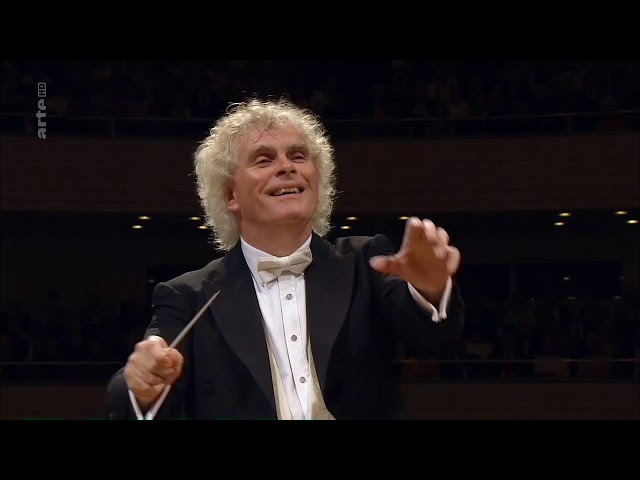
Premiered at Paris’s Théâtre du Châtelet in June 1912, this ballet score is a grand work set in the pastoral world of ancient Greece, portraying a young shepherd’s love and a hymn to nature.
With wordless chorus and an expanded orchestra, Ravel weaves sonorities that vividly depict dawn’s light, the murmuring forest, and the fervor of festivity—radiating to this day as a pinnacle of French Impressionism.
Suite No.
2, extracted from the work, has become a concert-hall staple beloved worldwide; notably, Charles Munch’s 1961 recording with the Boston Symphony Orchestra won a Grammy Award.
Interlacing pastoral tranquility with exuberant vitality, this masterpiece is highly recommended for anyone seeking solace in nature’s beauty and a simple tale of love.
TziganeMaurice Ravel55rank/position

Alongside Debussy, Maurice Ravel—one of the leading composers of modern France—wrote Tzigane, a piece in the form of a czárdás consisting of a slow section called the Lassú and a fast section called the Friss.
The first four minutes or so are performed by solo violin alone, showcasing advanced techniques such as double stops and harmonics.
An evocative, Oriental-tinged principal theme is varied using a range of violin techniques, and the piece culminates in an even more brilliant atmosphere, building to a rousing finish.

Don Quixote, who has set his heart on Princess DulcineaMaurice Ravel56rank/position

Composed in 1932–33.
A vocal work with orchestral accompaniment.
The poems are by Paul Morand.
It originated when a film production company making a movie titled Don Quixote commissioned songs for inclusion in the film.
However, the company had actually commissioned multiple composers, and in the end Ibert’s work was chosen, so Ravel’s pieces were not used in the film.
Nonetheless, they began to be performed as concert works and also in a version with piano accompaniment.