

Rimsky-Korsakov’s Masterpieces | The Vividly Colorful World of Russian Music

Rimsky-Korsakov, a composer who made major contributions to the development of Russian music as one of the “Mighty Handful.” He is said to have had synesthesia, perceiving colors in musical keys, and left behind many orchestral works rich in color as well as operas imbued with strong national character.
Born into a family of military nobility, he became captivated by the world of music, composing on land while serving as a naval officer.
His works, infused with such passion for music, have been passed down to later generations, and he also taught and nurtured many composers with the compositional techniques he mastered himself.
In this article, be sure to check out the works that showcase his creativity and innovation!
- Mussorgsky’s masterpiece. Popular classical music.
- Rachmaninoff’s masterpieces. Recommended pieces by Rachmaninoff.
- Introducing Maurice Ravel’s Famous and Representative Works
- Berlioz’s famous piece. Popular classical music.
- Cool classical masterpieces. Recommended classical music.
- Dmitri Shostakovich Popular Songs Ranking [2026]
- Highlighting the masterpieces and popular works of Mikhail Glinka, the pioneering composer of Russian music
- Stravinsky’s masterpiece. Popular classical music.
- A masterpiece by Alexander Borodin. Popular classical music.
- Mily Balakirev Popular Songs Ranking [2026]
- A masterpiece by Richard Wagner. Popular classical music.
- Grieg’s Masterpieces and Popular Works: Pieces That Evoke the Nature of Norway
- Impressionist Music: A Comprehensive Introduction to Masterpieces of the Impressionist Movement That Enliven Classical Music History
Rimsky-Korsakov’s Masterpieces | The Vividly Colored World of Russian Music (1–10)
Indian Song from the opera SatkoNikolai Rimsky-Korsakov
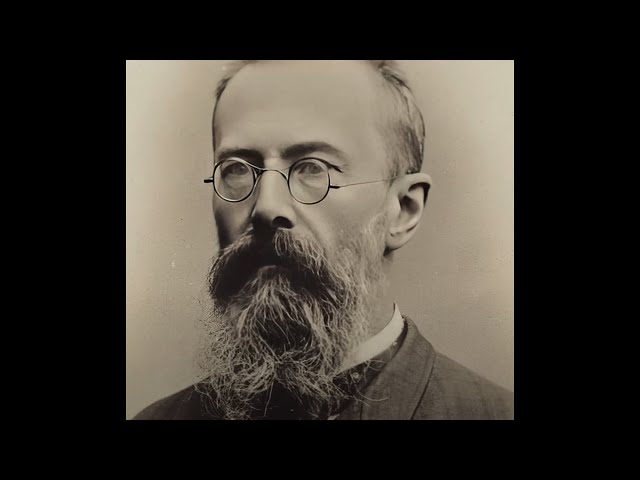
This piece captivates with its exotic atmosphere.
Its lyrics, which paint scenes of distant lands, and its beautiful melody transport listeners to faraway countries.
The words praising India’s rich nature and treasures express a longing for a mysterious world.
Since its premiere in 1898, it has continued to enchant many people.
Though originally part of an opera, it is beloved worldwide as a standalone piece as well.
There are also arrangements for various instruments such as flute and violin, so be sure to give them a listen.
Overture from the opera “The Tsar’s Bride”Nikolai Rimsky-Korsakov

One of Rimsky-Korsakov’s signature works, The Tsar’s Bride.
The overture, written in D minor, condenses the opera’s tragic narrative.
It opens with a first theme marked by striking ornamentation, interwoven with ominous brass fanfares.
The second theme is said to express the heroine’s innocence.
After the development section heightens the tension, the piece ends quietly.
Premiered in Moscow on November 3, 1899, the opera vividly portrays a story swirling with love, jealousy, and intrigue through its music.
It is a masterpiece that powerfully conveys the depth of Korsakov’s creativity.
Suite from the opera The Snow MaidenNikolai Rimsky-Korsakov
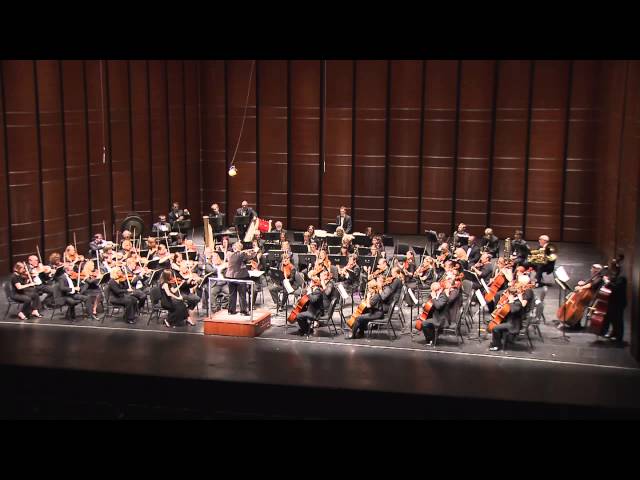
This work is characterized by its richly colored orchestration and melodies brimming with ethnic flavor.
The selected Prelude from the Prologue is filled with serene beauty, while “Dance of the Birds” stands out for its lively, sprightly rhythms.
“The Emperor’s Procession” unfolds with a majestic melody, and “Dance of the Acrobats” overflows with buoyant vitality.
Depicting with both delicacy and grandeur a story themed around the Snow Maiden’s growth, discovery of love, and self-sacrifice, the work expresses the relationship between nature and humanity and the depths of emotion through music.
It is recommended for those who wish to savor the richness of Russian music.
Rimsky-Korsakov’s Masterpieces | The Vividly Colored World of Russian Music (11–20)
Suite “Christmas Eve”Nikolai Rimsky-Korsakov

An orchestral suite that fuses colorful orchestration with ethnic elements, unfolding the fantastical musical world of Rimsky-Korsakov.
Based on the opera Christmas Eve, it was composed in 1903.
Beginning with a quiet nocturnal scene, it musically depicts cosmic imagery such as the dance of the stars and a procession of comets.
It also incorporates dance forms like the mazurka and the csárdás, showcasing a wide range of expressions.
It’s a recommended piece not only for classical music enthusiasts but also for anyone who wants to immerse themselves in a dreamlike musical world.
Flight of the Bumblebee from The Tale of Tsar SaltanNikolai Rimsky-Korsakov
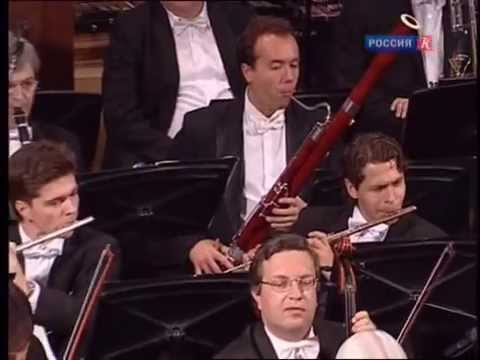
This piece is known for its friendly, buzzing-bee character.
Marked by rapid, intricate passages, it deftly depicts a bumblebee’s swift flight.
In the opera, it accompanies the scene where the protagonist prince transforms into a bee and flies to the capital; the highly demanding performance truly evokes the sensation of a bee in flight.
It has been arranged for a variety of instruments, with solo piano versions being particularly famous.
Arrangements by Rachmaninoff and Cziffra are renowned as formidable piano showpieces.
It’s a recommended track not only for classical music fans but also for anyone who enjoys virtuosic performance.
Be sure to explore the many different arrangements.
Four Romances, Op. 2Nikolai Rimsky-Korsakov

Four Romances, Op.
2.
No.
1: With My Cheek Pressed to Yours; No.
2: The Nightingale Enchanted by the Rose; No.
3: Lullaby; No.
4: From My Tears.
Performed by soprano Sadie Fraser, with Richard Baldry on piano.
At Rathkeen Hall.
Four Songs, Op. 42Nikolai Rimsky-Korsakov

A set of songs based on Fet’s poetry, known for delicate emotional nuance and natural imagery.
Rimsky-Korsakov answers these verses—with their whispered thoughts of a beloved in moments of silence and their joy and anticipation of reunion—with refined melodies and harmonies.
Some songs paint the dawn with gentle piano accompaniment and tranquil lines, while others feature lively rhythms and bright melodies, richly portraying nature, love, and human feeling.
If you’d like to savor a unique sound world that fuses the traditions of Russian music with elements of Western Romanticism, be sure to give it a listen.