

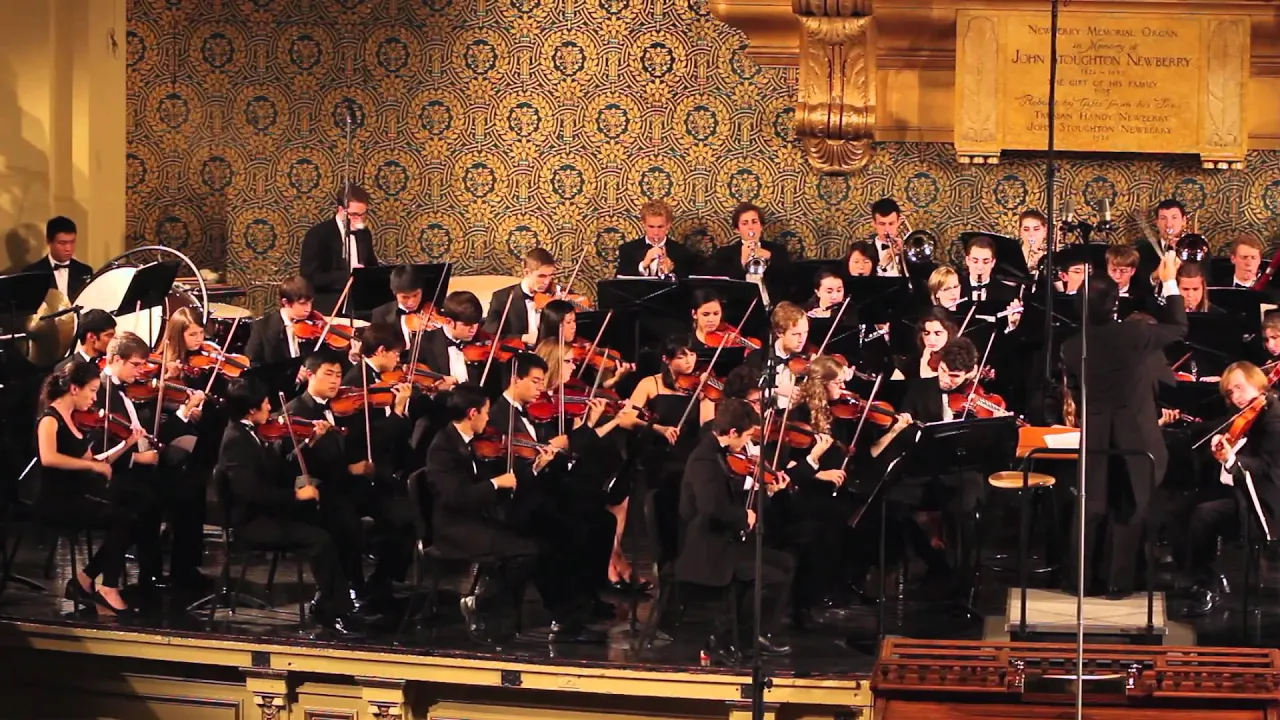

Rimsky-Korsakov, a composer who made major contributions to the development of Russian music as one of the “Mighty Handful.” He is said to have had synesthesia, perceiving colors in musical keys, and left behind many orchestral works rich in color as well as operas imbued with strong national character.
Born into a family of military nobility, he became captivated by the world of music, composing on land while serving as a naval officer.
His works, infused with such passion for music, have been passed down to later generations, and he also taught and nurtured many composers with the compositional techniques he mastered himself.
In this article, be sure to check out the works that showcase his creativity and innovation!
- Mussorgsky’s masterpiece. Popular classical music.
- Rachmaninoff’s masterpieces. Recommended pieces by Rachmaninoff.
- Introducing Maurice Ravel’s Famous and Representative Works
- Berlioz’s famous piece. Popular classical music.
- Cool classical masterpieces. Recommended classical music.
- Dmitri Shostakovich Popular Songs Ranking [2026]
- Highlighting the masterpieces and popular works of Mikhail Glinka, the pioneering composer of Russian music
- Stravinsky’s masterpiece. Popular classical music.
- A masterpiece by Alexander Borodin. Popular classical music.
- Mily Balakirev Popular Songs Ranking [2026]
- A masterpiece by Richard Wagner. Popular classical music.
- Grieg’s Masterpieces and Popular Works: Pieces That Evoke the Nature of Norway
- Impressionist Music: A Comprehensive Introduction to Masterpieces of the Impressionist Movement That Enliven Classical Music History
Rimsky-Korsakov’s Masterpieces | The Vividly Colored World of Russian Music (1–10)
From the Symphonic Suite ‘Scheherazade’, Movement INikolai Rimsky-Korsakov
One of Rimsky-Korsakov’s signature works, Scheherazade.
Its first movement is distinguished by colorful orchestration and an Oriental atmosphere.
The movement bears the title “The Sea and Sinbad’s Ship.” The unison trombones at the opening represent the king, while the elegant solo violin melody symbolizes Scheherazade, the storyteller.
Over an accompaniment that paints the seascape, the flute’s melody expresses Sinbad’s spirit of adventure.
Premiered in October 1888, it gained popularity as music that stimulates the listener’s imagination.
A masterpiece in which narrative richness and musical expression are fused, it is recommended for those who wish to let their thoughts wander to the world of the Orient.
From the Symphonic Suite ‘Scheherazade’, Third MovementNikolai Rimsky-Korsakov
One of Rimsky-Korsakov’s signature works, Scheherazade.
In its third movement, a graceful melody played by the strings is especially striking, depicting a romantic scene between a prince and a princess.
The movement is titled “The Young Prince and the Young Princess.” In the middle section, the clarinet presents a dance-like theme that evokes an oriental atmosphere.
Premiered in St.
Petersburg in October 1888, it has continued to captivate many, even serving as background music in the film Arabian Nights.
It’s a highly recommended piece for those who want to enjoy richly colorful music.
From the Symphonic Suite ‘Scheherazade’, Movement IINikolai Rimsky-Korsakov

One of Rimsky-Korsakov’s signature works, Scheherazade.
The title of its second movement is “The Tale of the Kalandar Prince.” The virtuosity of the solo violin and bassoon stands out, and the orchestra’s beautiful sonority spins the tale.
The woodwinds’ dialogues and the brass fanfares adroitly depict the Kalandar Prince’s austerities and the twists of fate.
The contrast between turbulent passages and moments of calm sparks the listener’s imagination.
Recommended for those interested in the fusion of an Oriental atmosphere with Western music, or for anyone who enjoys orchestral works rich in narrative.
Overture “Russian Easter”Nikolai Rimsky-Korsakov
A celebrated piece that vividly portrays the Russian Orthodox Easter.
In the introduction, woodwinds and cellos play chant-like melodies, creating a mystical atmosphere.
When the main section begins, the tempo quickens, conveying a festive bustle.
The effective use of percussion and brass—evoking the sound of bells and the cheers of the crowd—is striking.
With a performance time of about 15 minutes, it masterfully fuses religious solemnity with the joy of the people.
Recommended for those interested in traditional Russian music or anyone who enjoys grand orchestral works.
Fantasy on Two Russian Themes for Violin and OrchestraNikolai Rimsky-Korsakov
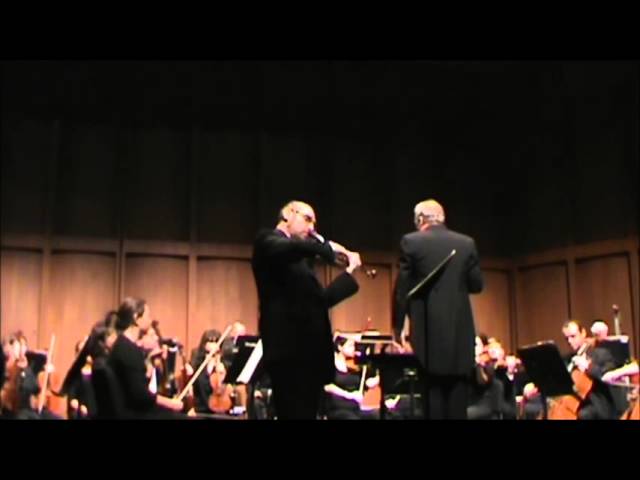
A violin sings a melody steeped in Russian nostalgia.
The orchestra resounds in vivid colors, and its interplay with the violin makes this a captivating work.
The performance features violinist Leonid Yanovsky with the Northwest Florida Symphony Orchestra, conducted by Jeffrey Rink, at the Mattie Kelly Arts Center in Niceville.
Capriccio espagnolNikolai Rimsky-Korsakov
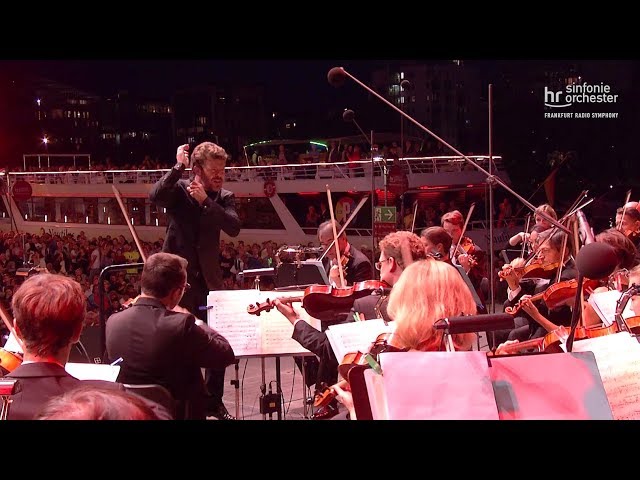
This orchestral work, inspired by Spanish folk songs and dances, unfolds a richly colored sonic world.
Consisting of five movements, each one distinctively portrays a different region or culture of Spain.
Its brilliant orchestration and the wide variety of instrumental solos are especially captivating, drawing listeners into an exotically tinged soundscape.
At its premiere in October 1887, it was reportedly met with high praise from both the musicians and the audience.
It’s a highly recommended piece not only for those interested in Spanish music, but also for anyone who wants to fully savor the allure of orchestral sound.
Ballet music ‘The Golden Cockerel’Nikolai Rimsky-Korsakov

An opera based on a Russian folk tale, it is characterized by fantastical music and a satirical story.
Centered on a foolish king and the prophecy of a golden cockerel, it portrays the incompetence of power and the folly of humankind.
Its colorful orchestration and Oriental-tinged melodies are striking, with the depiction of the golden cockerel’s cry being particularly superb.
The work contains criticism of Russian politics and society, conveying profound lessons and warnings.
It premiered in Moscow in October 1909, but was performed after the composer’s death.
With themes that resonate in contemporary society, this masterpiece can be enjoyed for both its music and its narrative.