

Rimsky-Korsakov’s Masterpieces | The Vividly Colorful World of Russian Music

Rimsky-Korsakov, a composer who made major contributions to the development of Russian music as one of the “Mighty Handful.” He is said to have had synesthesia, perceiving colors in musical keys, and left behind many orchestral works rich in color as well as operas imbued with strong national character.
Born into a family of military nobility, he became captivated by the world of music, composing on land while serving as a naval officer.
His works, infused with such passion for music, have been passed down to later generations, and he also taught and nurtured many composers with the compositional techniques he mastered himself.
In this article, be sure to check out the works that showcase his creativity and innovation!
- Mussorgsky’s masterpiece. Popular classical music.
- Rachmaninoff’s masterpieces. Recommended pieces by Rachmaninoff.
- Introducing Maurice Ravel’s Famous and Representative Works
- Berlioz’s famous piece. Popular classical music.
- Cool classical masterpieces. Recommended classical music.
- Dmitri Shostakovich Popular Songs Ranking [2026]
- Highlighting the masterpieces and popular works of Mikhail Glinka, the pioneering composer of Russian music
- Stravinsky’s masterpiece. Popular classical music.
- A masterpiece by Alexander Borodin. Popular classical music.
- Mily Balakirev Popular Songs Ranking [2026]
- A masterpiece by Richard Wagner. Popular classical music.
- Grieg’s Masterpieces and Popular Works: Pieces That Evoke the Nature of Norway
- Impressionist Music: A Comprehensive Introduction to Masterpieces of the Impressionist Movement That Enliven Classical Music History
Rimsky-Korsakov’s Masterpieces | The Vividly Colored World of Russian Music (11–20)
Oboe Variations on the Theme from Glinka’s Song “What a Lovely Maiden”Nikolai Rimsky-Korsakov
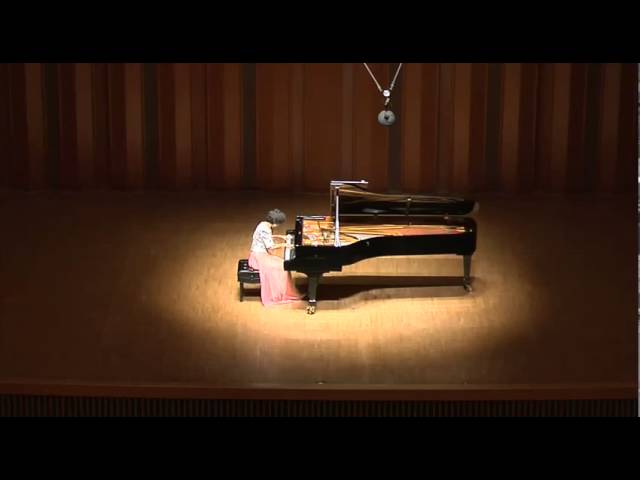
Oboe Variations on the theme of Glinka’s song “What a Lovely Maiden.” Soloist: Jan Bertelsen; wind ensemble: Drammen Concert Orchestra of Buskerud, Norway.
Conductor: Rune Bergmann.
From the 20th anniversary concert at the Drammen Theatre.
Three Miracles from the Tale of the Sultan EmperorNikolai Rimsky-Korsakov

Rimsky-Korsakov’s opera The Tale of Tsar Saltan includes a suite whose movements depict three miracles that appear on a magical island.
Through vivid orchestration, the music portrays fantastical scenes such as a squirrel, a heroic warrior, and the transformation of the Swan Princess.
While incorporating Russian folk melodies, the work is crafted with distinctive orchestral techniques.
Its flowing melodies and brilliant timbres invite listeners into a dreamlike world.
It’s highly recommended for anyone who wants to experience a fantastical realm where a grand story and music become one.
Piano Concerto in C-sharp minor, Op. 30Nikolai Rimsky-Korsakov
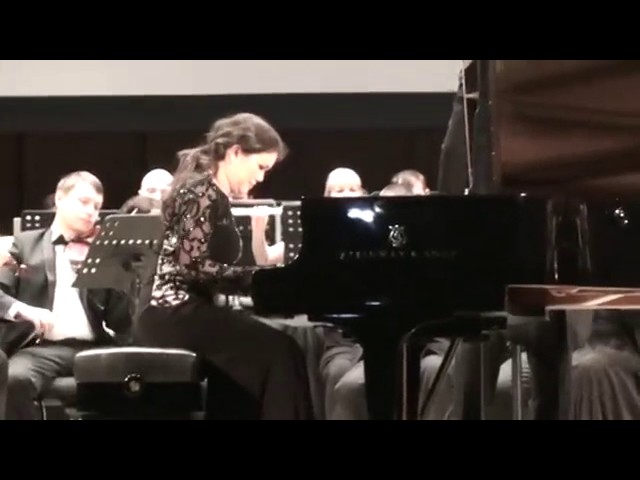
Composed between 1882 and 1883, the work was premiered the following year, in 1884, at a concert of the Free Music School in Saint Petersburg.
Although it consists of three movements, it is performed without interruption via attacca.
The piece is built from two recurring melodies: the opening theme and a Russian folk-song theme recommended by Mily Balakirev, a fellow member of the Mighty Handful.
Movement I: Moderato – Allegretto quasi polacca; Movement II: Andante mosso; Movement III: Allegro.
The performance features Daniya Kaybrina with the Novosibirsk Philharmonic Orchestra, conducted by Etibar Akhmedov.
Symphony No. 1Nikolai Rimsky-Korsakov

A symphony composed by Rimsky-Korsakov when he was around 18.
Written during his naval service, the work is characterized by a powerful tone that conveys youthful passion.
It consists of four movements, beginning with an energetic opening, moving through an emotional and lyrical middle section, and concluding in a bright, dazzling finale.
By incorporating melodies from Russian folk songs, the piece communicates the composer’s deep passion for music.
It’s highly recommended for those interested in Russian music or anyone who wants to experience the brilliance of youthful talent.
Premiered in December 1865 under the baton of Mily Balakirev, it was highly praised as “the first Russian symphony.”
Symphony No. 2 ‘Antar’Nikolai Rimsky-Korsakov

A fantastical tale painted with brilliantly colorful orchestration.
Inspired by the dream of the Arab poet Antar, it unfolds a grand musical panorama across four movements.
Composed in 1868 and subsequently revised multiple times, the work dramatizes revenge, power, and the joy of love, showcasing a superb fusion of Oriental melodies and Western orchestral technique.
Highly recommended for those who wish to immerse themselves in an exotic musical world.
The 1954 recording conducted by Ernest Ansermet is highly acclaimed as a masterful performance that fully brings out the work’s allure.
From the Symphonic Suite ‘Scheherazade’, Fourth MovementNikolai Rimsky-Korsakov

The symphonic suite Scheherazade is one of Rimsky-Korsakov’s signature works.
Its fourth movement is titled “The Festival at Baghdad.
The Sea.
The Ship Breaks against a Rock Surmounted by a Bronze Warrior.
Conclusion.” In this movement, many of the melodies and themes from the previous three movements reappear.
It comes to a quiet, gentle close, drawing the curtain on the work.
Performance: Orchestra of the Accademia Nazionale di Santa Cecilia; Conductor: Yuri Temirkanov.
Rimsky-Korsakov’s Masterpieces | The Vividly Colored World of Russian Music (21–30)
Concertstück in E-flat major for Clarinet and Wind EnsembleNikolai Rimsky-Korsakov
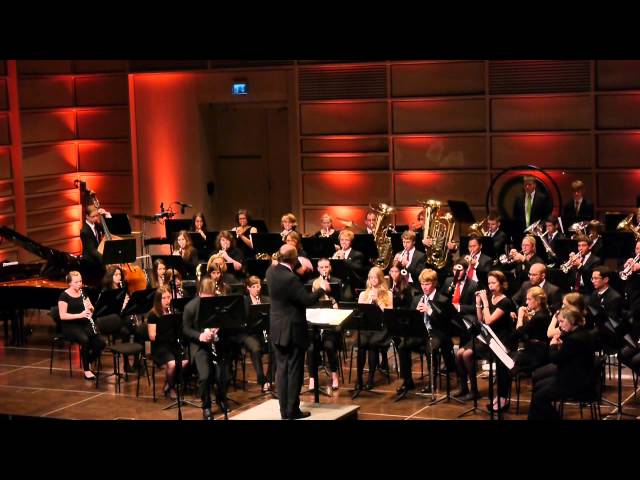
Concert Piece in E-flat major for Clarinet and Wind Band.
Soloist: Marco Gorke; Wind Band: Mannheim Symphonic Wind Band; Conductor: Tobias Mahl.
At the Trifolion Echternach Cultural Center, Luxembourg.