

Rimsky-Korsakov’s Masterpieces | The Vividly Colorful World of Russian Music

Rimsky-Korsakov, a composer who made major contributions to the development of Russian music as one of the “Mighty Handful.” He is said to have had synesthesia, perceiving colors in musical keys, and left behind many orchestral works rich in color as well as operas imbued with strong national character.
Born into a family of military nobility, he became captivated by the world of music, composing on land while serving as a naval officer.
His works, infused with such passion for music, have been passed down to later generations, and he also taught and nurtured many composers with the compositional techniques he mastered himself.
In this article, be sure to check out the works that showcase his creativity and innovation!
- Mussorgsky’s masterpiece. Popular classical music.
- Rachmaninoff’s masterpieces. Recommended pieces by Rachmaninoff.
- Introducing Maurice Ravel’s Famous and Representative Works
- Berlioz’s famous piece. Popular classical music.
- Cool classical masterpieces. Recommended classical music.
- Dmitri Shostakovich Popular Songs Ranking [2026]
- Highlighting the masterpieces and popular works of Mikhail Glinka, the pioneering composer of Russian music
- Stravinsky’s masterpiece. Popular classical music.
- A masterpiece by Alexander Borodin. Popular classical music.
- Mily Balakirev Popular Songs Ranking [2026]
- A masterpiece by Richard Wagner. Popular classical music.
- Grieg’s Masterpieces and Popular Works: Pieces That Evoke the Nature of Norway
- Impressionist Music: A Comprehensive Introduction to Masterpieces of the Impressionist Movement That Enliven Classical Music History
Rimsky-Korsakov’s Masterpieces | The Vividly Colored World of Russian Music (21–30)
Concerto for Trombone and Wind EnsembleNikolai Rimsky-Korsakov
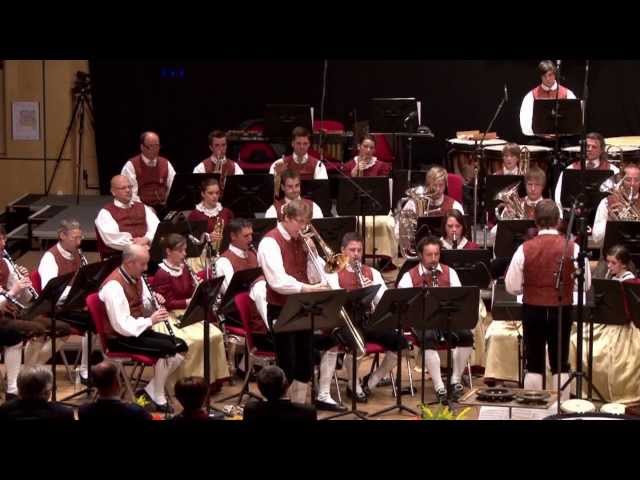
Concerto for Trombone and Wind Band.
Movement I: Allegro vivace; Movement II: Andante cantabile; Movement III: Allegro – Tempo poco meno mosso – Vivace.
Performed by Martin Psaier and the Brixen Civic Wind Orchestra, conducted by Hans Pircher.
From the Quintet for Piano and Winds, Movement INikolai Rimsky-Korsakov
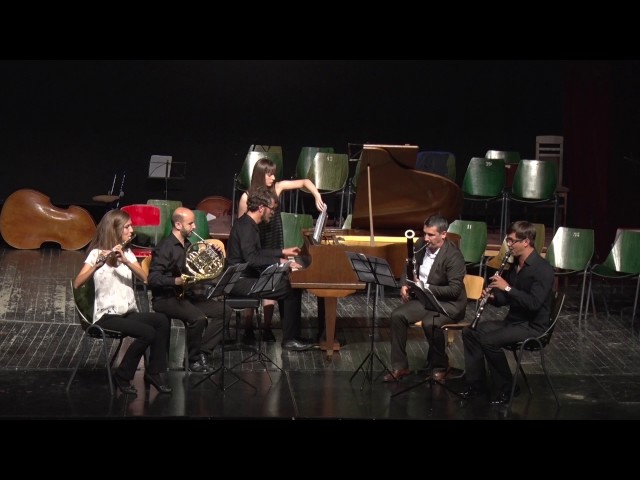
From the Quintet in B-flat major for Piano and Winds, Movement I: Allegro con brio.
Performed by Piano: Shkëlqen Baftiari, Flute: Lejla Beqiri, Clarinet: Pëllumb Vula, Horn: Bledar Bujupi, Bassoon: Meritón Ferizi.
From the Quintet for Piano and Winds, Movement IINikolai Rimsky-Korsakov

From the Quintet in B-flat major for Piano and Winds, Movement II: Andante.
Performed by the chamber group “After Hours Session.” Flute: Keiko Ueda; Clarinet: Hiroki Matsubara; Bassoon: Gen Shuto; Horn: Sosuke Seko; Piano: Kyoko Ukon.
Symphony No. 3Nikolai Rimsky-Korsakov

Symphony No.
3 in C major, Op.
32: I.
Moderato assai; II.
Scherzo: Vivo – Trio: Moderato; III.
Andante; IV.
Allegro con spirito.
Performed by the Pazardzhik Symphony Orchestra, conducted by Christo Pavlov.
From String Sextet in A major, 1st movementNikolai Rimsky-Korsakov

From the String Sextet in A major, Movement I: Allegro vivace.
Performed by violins: Nathaniel Eulentrop and April Moon; violas: J.
David Eulentrop and Molly Prow; cellos: Nathan Hsu and Alex Cho.
From the String Sextet in A major, Fourth MovementNikolai Rimsky-Korsakov
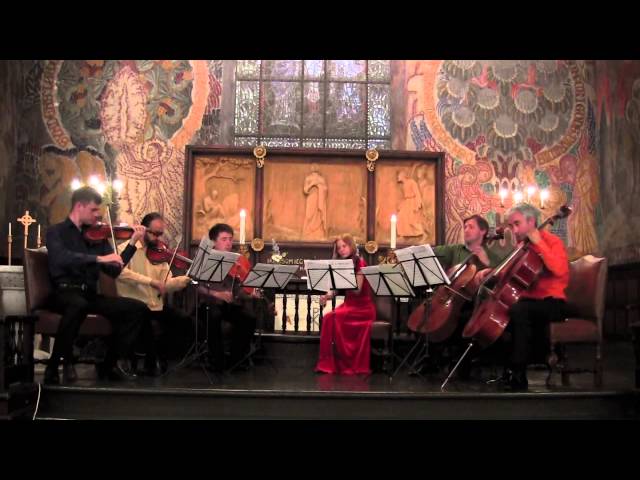
From String Sextet in A major, Movement IV: Andante espressivo.
Performed by the Moscow Academy of Chamber Music.
Violins: Andrey Sigeda, Ivan Subbotkin; Violas: Zoya Karakutsa, Nail Bakiev; Cellos: Igor Bobowitsch, Alexander Kashin.
Indian songNikolai Rimsky-Korsakov

Rimsky-Korsakov, born in 1844, was a Russian composer known for his symphonies and orchestral works.
Among his pieces, the operatic song “Song of India” is lyrical and melodic—what we might nowadays call tuneful—with a quality that conveys deep emotion.
Its gentle melody evokes the image of people more than a century ago listening in rapture.
