

Rimsky-Korsakov’s Masterpieces | The Vividly Colorful World of Russian Music

Rimsky-Korsakov, a composer who made major contributions to the development of Russian music as one of the “Mighty Handful.” He is said to have had synesthesia, perceiving colors in musical keys, and left behind many orchestral works rich in color as well as operas imbued with strong national character.
Born into a family of military nobility, he became captivated by the world of music, composing on land while serving as a naval officer.
His works, infused with such passion for music, have been passed down to later generations, and he also taught and nurtured many composers with the compositional techniques he mastered himself.
In this article, be sure to check out the works that showcase his creativity and innovation!
- Rachmaninoff’s masterpieces. Recommended pieces by Rachmaninoff.
- Mussorgsky’s masterpiece. Popular classical music.
- Introducing Maurice Ravel’s Famous and Representative Works
- Berlioz’s famous piece. Popular classical music.
- Cool classical masterpieces. Recommended classical music.
- Dmitri Shostakovich Popular Songs Ranking [2026]
- Highlighting the masterpieces and popular works of Mikhail Glinka, the pioneering composer of Russian music
- Stravinsky’s masterpiece. Popular classical music.
- A masterpiece by Alexander Borodin. Popular classical music.
- [Tchaikovsky] Pick up famous and representative pieces!
- Mily Balakirev Popular Songs Ranking [2026]
- A masterpiece by Richard Wagner. Popular classical music.
- Impressionist Music: A Comprehensive Introduction to Masterpieces of the Impressionist Movement That Enliven Classical Music History
Rimsky-Korsakov’s Masterpieces | The Vividly Colored World of Russian Music (41–50)
From Symphony No. 1, Movement INikolai Rimsky-Korsakov

From Symphony No.
1 in E minor, Op.
1: I.
Largo assai – Allegro.
This work was originally in E-flat minor but was later transposed to E minor.
The performing ensemble, Orchestra Nadezhda, is dedicated to discovering and presenting masterworks from Russia and the Nordic countries.
The conductor is Arata Watanabe.
From Symphony No. 2 ‘Antar’, Movement IIINikolai Rimsky-Korsakov

From Symphony No.
2 in F-sharp minor, “Antar,” Op.
9: Movement III, “The Joy of Power” — Allegro risoluto, alla marcia.
Performed by the Greenville Youth Orchestra Philharmonic (South Carolina).
Conducted by Kathleen Robinson.
From Symphony No. 2 “Antar,” Fourth MovementNikolai Rimsky-Korsakov
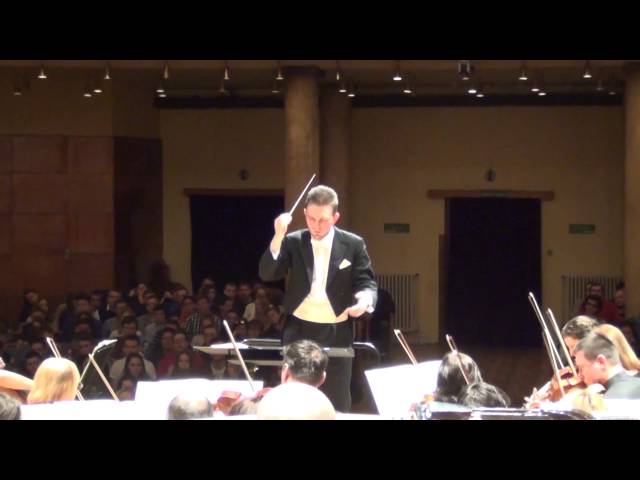
From Symphony No.
2 in F-sharp minor “Antar,” Op.
9, Movement IV: “The Joy of Love”: Allegretto vivace – Andante amoroso (Antar dies amid the joy of love with the queen).
Performed by the Slovak State Philharmonic Košice.
from the opera The Golden CockerelNikolai Rimsky-Korsakov
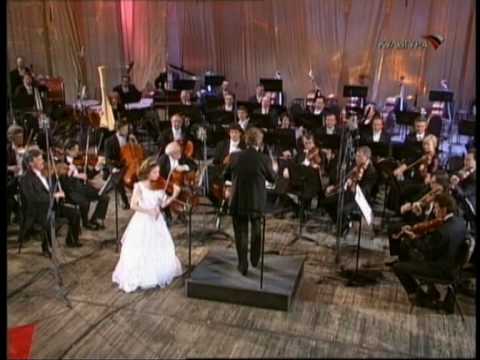
The opera The Golden Cockerel is the last opera composed by Rimsky-Korsakov.
It was arranged for solo violin by Efrem Zimbalist.
The soloist is Anna Savkina, with the Tchaikovsky State Academic Symphony Orchestra, conducted by Vladimir Fedoseyev.
Flight of the BumblebeeNikolai Rimsky-Korsakov
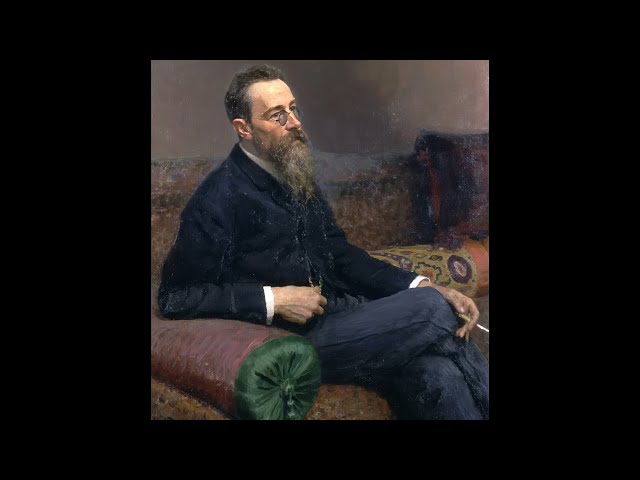
As the Japanese title “Flight of the Bumblebee” suggests, this piece is memorable for its gently buzzing, gliding rhythm.
It was composed around 1890 by the Russian composer Rimsky-Korsakov and is used in Act III of the opera The Tale of Tsar Saltan, based on Pushkin’s original work.
With its unique design modeled on the hum of a bumblebee’s wings, the piece—contrary to what the title might imply—feels cute and approachable, with a pleasant melody.
It fits scenes where children at a kindergarten or nursery are freely romping about, so it’s a great recommendation for those moments at a school sports day.
