

Strive toward your goals! Four-character idiom ideas that resonate with elementary school students

“I want to express my goals with a four-character idiom!” Many elementary school students and educators probably feel the same way.
Four-character idioms are full of wonderful words that can motivate us in all kinds of situations—studies, daily life, club activities, and more.
In this article, we’ll introduce four-character idioms that are perfect for setting goals, along with clear explanations of their meanings.
Please use this as a reference to help children encounter empowering words that inspire them to strive toward their dreams and goals!
- Recommended for elementary school class goals! A collection of impactful ideas using four-character idioms
- [For Elementary School Students] Four-character idioms you can use in sports! Words that are helpful for cheering and goal setting
- Easy for elementary school students to remember! A four-character idiom that expresses the feeling of trying your best
- For Elementary School Students: Four-Character Idioms You Can Use for New Year’s Resolutions — How to Set Cool Goals!
- Four-character idioms that help elementary schoolers not give up: words that spark the power to keep trying
- Learn the meanings too! Cool four-character idioms that elementary school students will want to remember
- Perfect for elementary school slogans! A collection of four-character idiom ideas you'll want to use
- Easy-to-remember, positive four-character idioms for elementary school kids! Words that brighten the heart
- [Elementary School Students] Perfect for Kakizome! A Collection of Four-Character Idiom Ideas
- [For Elementary School Students] Inspiring Four-Character Idioms for Shaping the Future at a Glance! Words that Spark Courage
- [For Elementary Students] A Collection of Beautiful Four-Character Idioms to Know
- Interesting four-character idioms for elementary schoolers! Words you'll want to use once you understand their meanings
- Four-character idioms that help you achieve goals! Phrases you can use in everyday situations
Work hard toward your goals! Ideas for four-character idioms that resonate with elementary school students (71–80)
Actions speak louder than words.
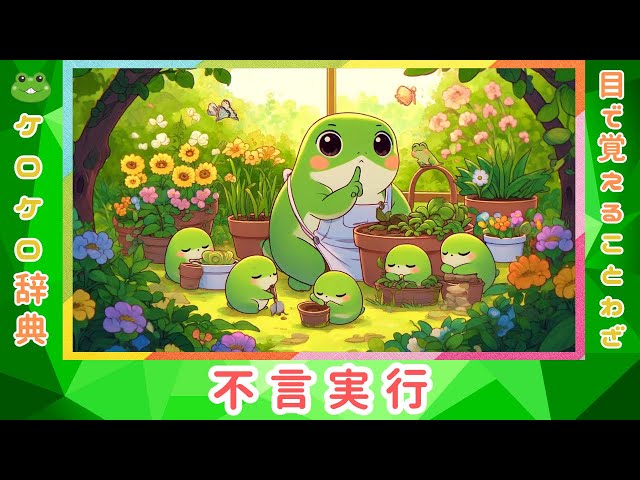
Many people have heard of “say and do” (yūgen jikkō), but there is also the four-character idiom “fugen jikkō,” read as fugen jikkō.
Literally, it refers to pressing forward toward a goal and doing what needs to be done without saying this and that.
“Fugen” means not putting things into words or not voicing complaints and grievances.
“Jikkō” means to carry something out.
There are times when you might want to voice complaints or dissatisfaction, but this expression is good to use when you want to praise children who hold back and keep striving toward their goals.
Stay true to your original intention.
Pronounced “shoshikantetsu,” it means to carry through with something once you’ve started it.
The word “shoshi” refers to the initial intention or resolve you have when you begin something, and “kantetsu” means to persevere and see it through to the end without giving up.
Together, they form a wonderful four-character idiom.
Children starting a new school term or embarking on a fresh start are bound to feel some anxiety.
In such times, why not share this phrase to convey the spirit of charging forward together toward your goals?
firm and decisive
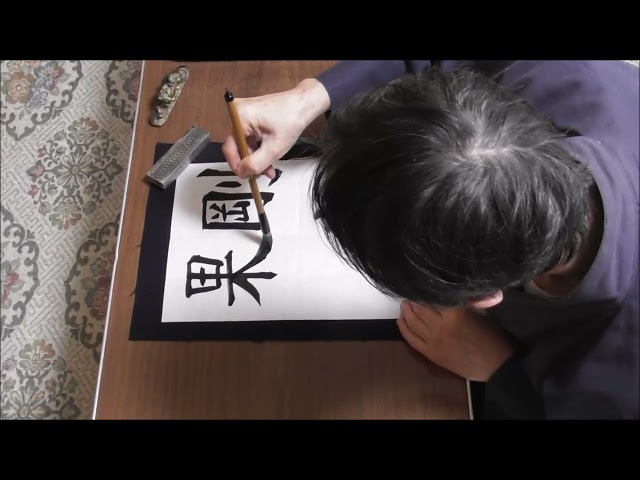
Pronounced “gōkikadan,” this four-character idiom refers to having a strong, firm will, abundant spirit, and the decisiveness to take bold action.
Some children may hesitate and struggle to take the first step.
This idiom carries a message you might want to share with a child at such times.
If you send the message together with words that remind them they have supportive friends and family by their side, the sentiment may come across more clearly.
It’s one of those four-character idioms that helps nurture a strong heart as you watch over a child’s efforts and daily growth.
brave and diligent

It is a phrase that means acting without fear and boldly making clear decisions for yourself.
It expresses the courage to face difficulties without flinching and the strength to take proactive action.
In soccer, it fits moments like dribbling past a defender to take a shot; in basketball, it could be taking the game-winning shot in the final second.
For elementary school students, it’s a phrase that teaches the mindset of actively taking on challenges in practice and games, conveying the importance of acting without fear.
It’s a powerful phrase that gives you the courage to take that first step forward.

Late bloomer
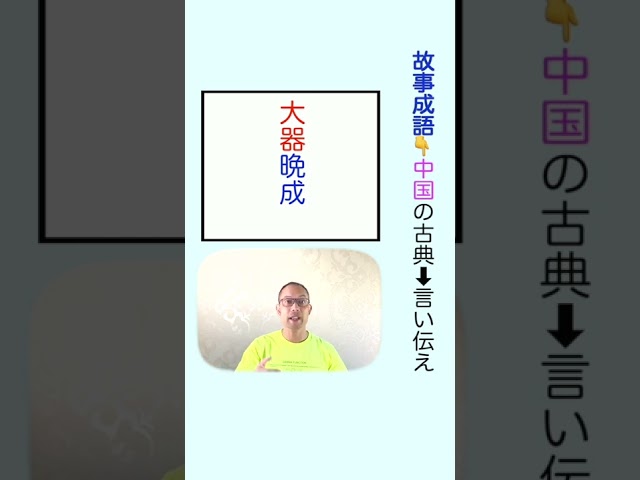
Taiki bansei, read as “taiki bansei,” combines “taiki,” which can mean a large vessel or a person of exceptional talent and capacity, and “bansei,” which refers to maturing more slowly than usual.
Not every great or famous person succeeded right away; many blossomed only after enduring hardships.
When a child feels down, saying, “I’m trying hard but not seeing results,” it can help to share a message that includes this four-character idiom.
It might become a source of motivation to keep putting in the effort.