

Let’s take on the challenge! A multiple-choice history quiz for elementary school students. Review your history lessons.


Even though you should have learned it in history class, when you’re actually asked, the answer just doesn’t come to you right away! Have you ever had that experience? In this article, we present multiple-choice history quizzes that elementary school students can enjoy while learning.
They cover a wide range of periods from the Jomon era to modern times, making them perfect for reviewing your lessons.
It’s also great to try them with friends or guardians! The frustration of not being able to answer can motivate you to study history more deeply and even become a chance to like history more.
Feel free to give it a try!
- [History Quiz] General History Questions You Should Know
- [For Elementary School Students] Fun and Effective Prefecture Quiz
- [Easy] Quiz for Middle School Students
- How many can you solve? Fun trivia quiz about history
- [General] Surprisingly unknown? Test your geography skills with a three-choice quiz on Japan’s prefectures
- Not taught in school! A roundup of historical trivia and fun facts
- Geography Quiz: Elementary School Study + Slightly Advantageous Geography Questions
- [Common Sense & Trivia] True-or-False Quiz with Knowledge for Elementary School Students
- [For Elementary School Students] Country Names in Kanji Quiz. A quick, fun quiz
- A quiz for elementary school students about Japan’s number ones. Guess the “most ___” things in Japan!
- [For Kids] January Trivia Quiz & Fun Facts: Learn About the New Year in a Fun Way
- [Enjoyable History Quiz] Easy multiple-choice (3 options) quiz that’s accessible for seniors!
- [Study] Fun to Know! A Collection of World History Trivia Quizzes
Let’s take on the challenge! A multiple-choice history quiz for elementary school students (4 options). Review your history lessons (11–20)
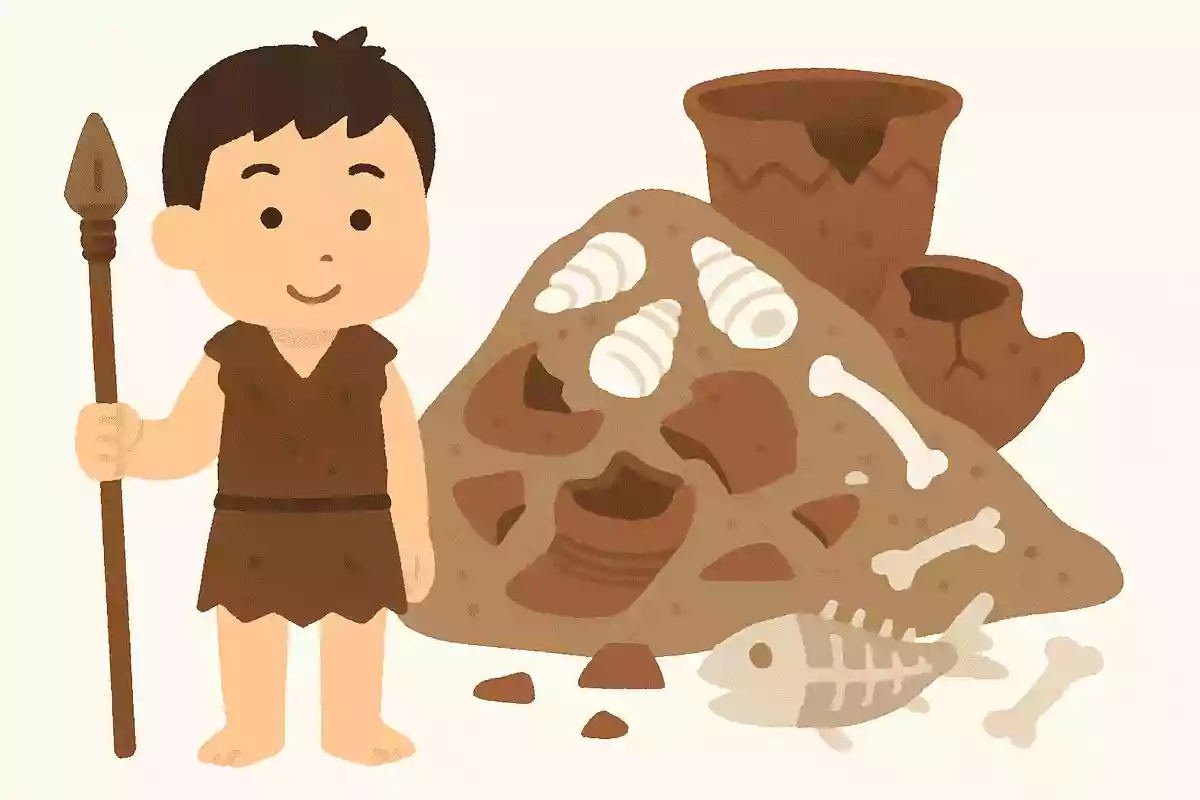
What were garbage disposal sites called in the Jomon period?
- Bone Mound
- earthen mound
- shell midden
- Ishizuka
See the answer
shell midden
Shell middens where people of the Jomon period discarded food remnants such as shells and broken pottery. They were not only regarded like modern garbage dumps but also functioned as places of worship. They also provide clues for investigating what Jomon people ate and what kinds of pottery and stone tools they used.

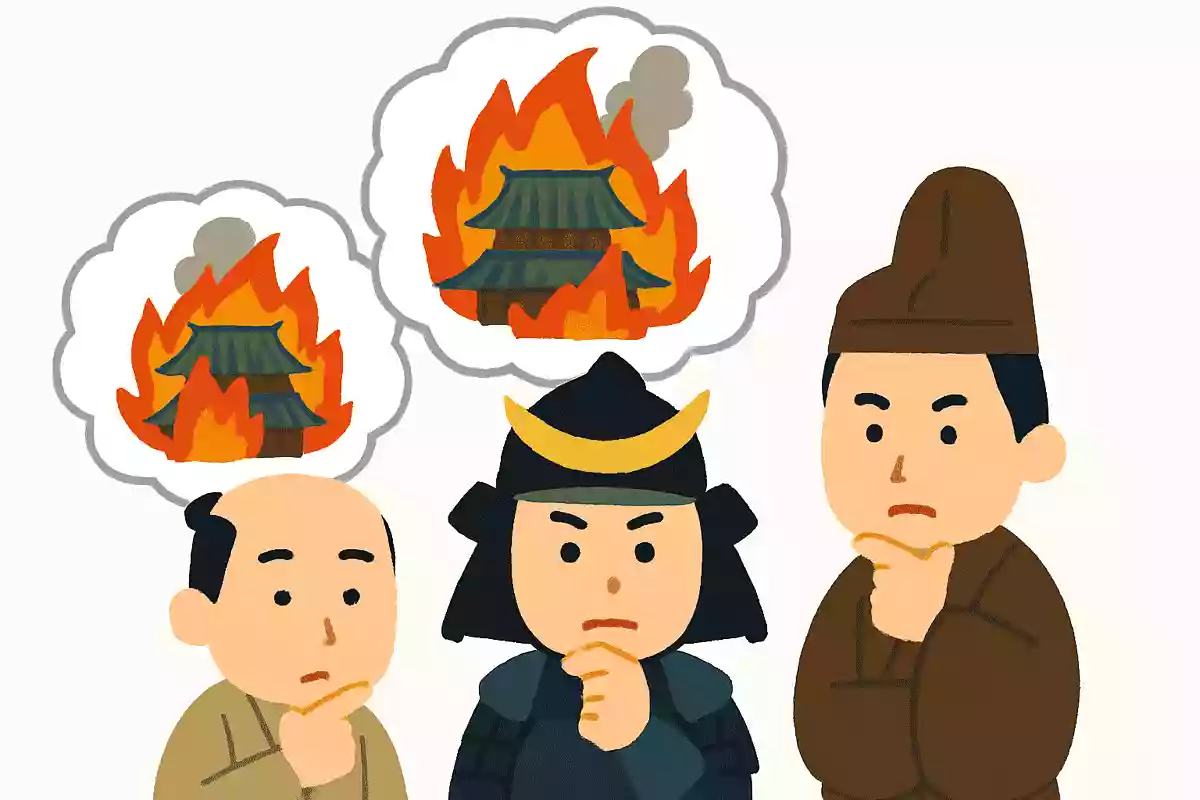
Who was the person who caused the Honnō-ji Incident?
- Akechi Mitsuhide
- Oda Nobunaga
- Toyotomi Hideyoshi
- Mitsunari Ishida
See the answer
Akechi Mitsuhide
On June 2, 1582, Akechi Mitsuhide led his forces in rebellion and attacked his lord, Oda Nobunaga, in the Incident at Honnō-ji. Surrounded at the temple by Mitsuhide’s troops, Nobunaga set the temple ablaze and took his own life. The event is known as the catalyst that brought about the end of the Oda regime.
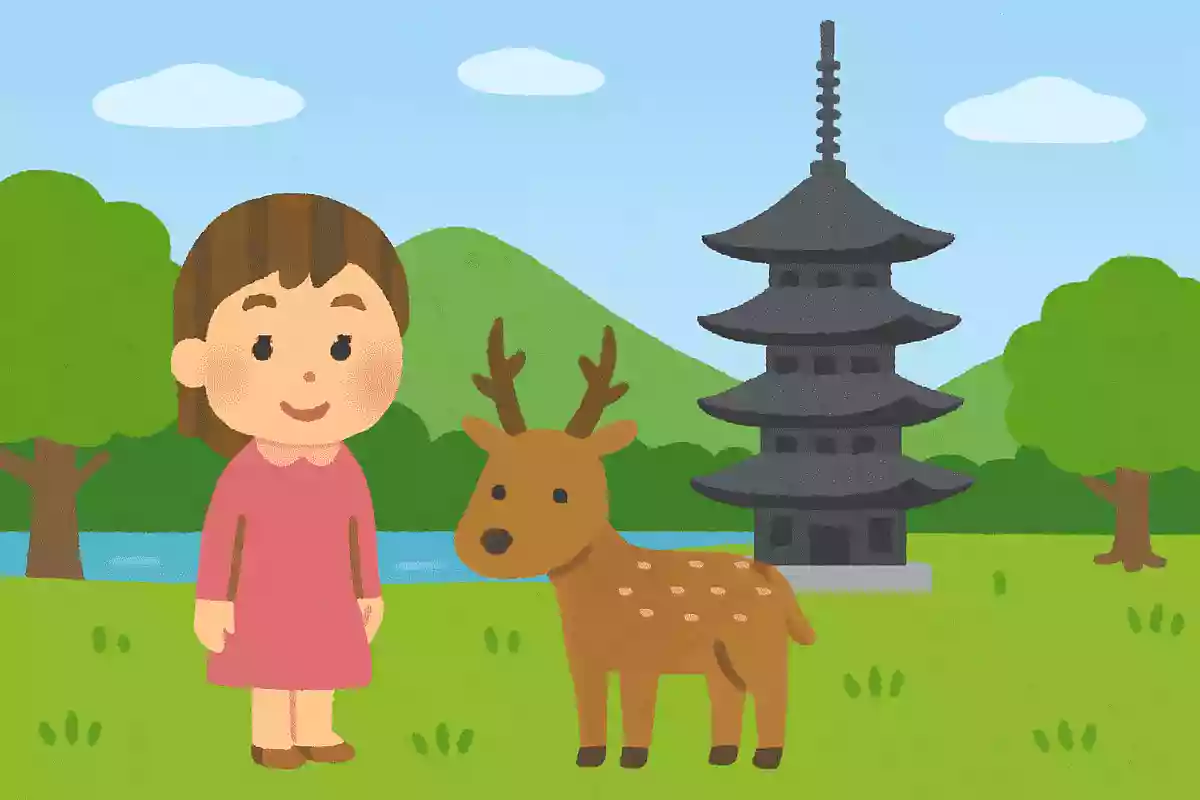
What was the name of the capital in Nara that became Japan’s capital from the year 710?
- Heian-kyō
- Heisei Capital
- Heijō-kyō
- Heimikyō
See the answer
Heijō-kyō
Heijō-kyō, established in 710 by Empress Genmei, was a capital city modeled after Chang’an of the Tang dynasty when the court moved from Fujiwara-kyō. It served both as the emperor’s residence and the seat of government. Located in present-day Nara City and Yamatokōriyama City in Nara Prefecture, it is known for representative examples of temple architecture from that era.
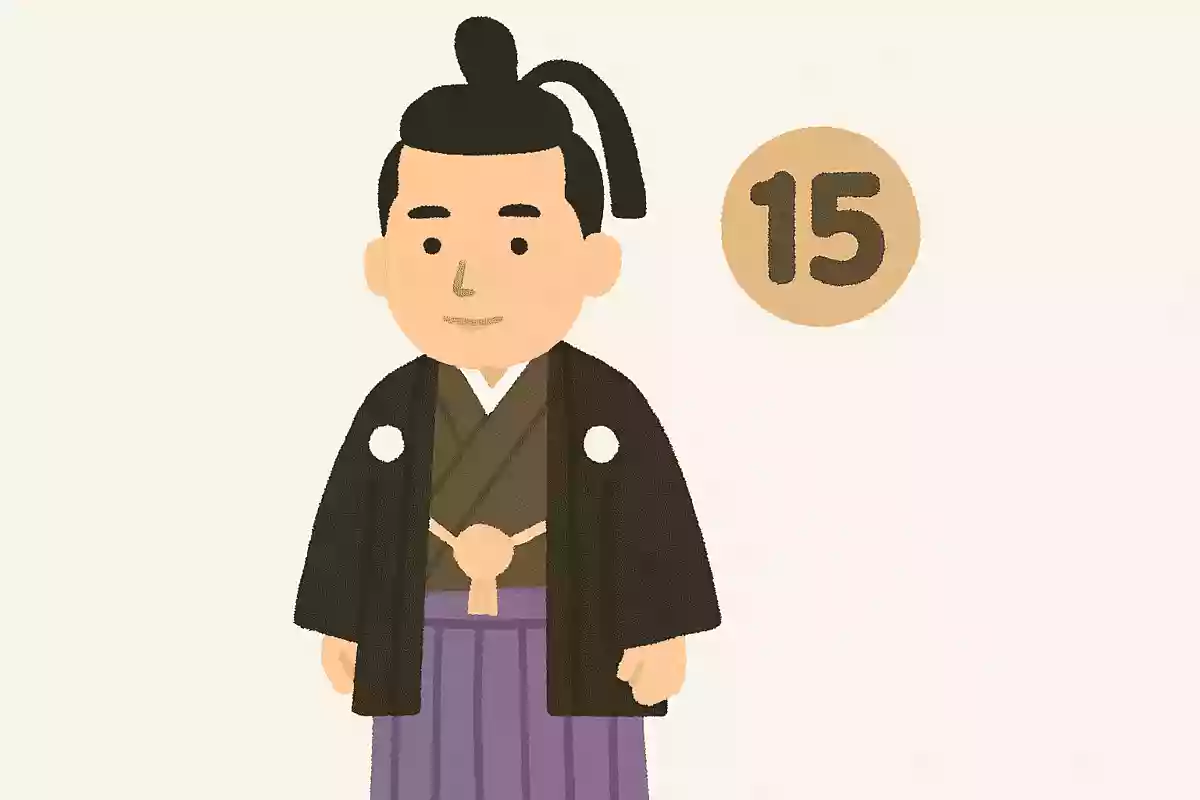
Which number shogun of the Tokugawa shogunate was Tokugawa Yoshinobu, the last shogun of the Edo period?
- 16
- 15
- 20
- 12
See the answer
15
With the Restoration of Imperial Rule in 1867, political power was returned from the samurai to the imperial court, bringing the Edo shogunate to an end. Tokugawa Yoshinobu, the last Seii Taishogun in history, rebelled against the Imperial Restoration decree and launched the Battle of Toba–Fushimi, but suffered a crushing defeat. He was the final shogun of the samurai government that had lasted for about 260 years.
What is the name of the temple in Nara that is said to be the oldest wooden structure in the world?
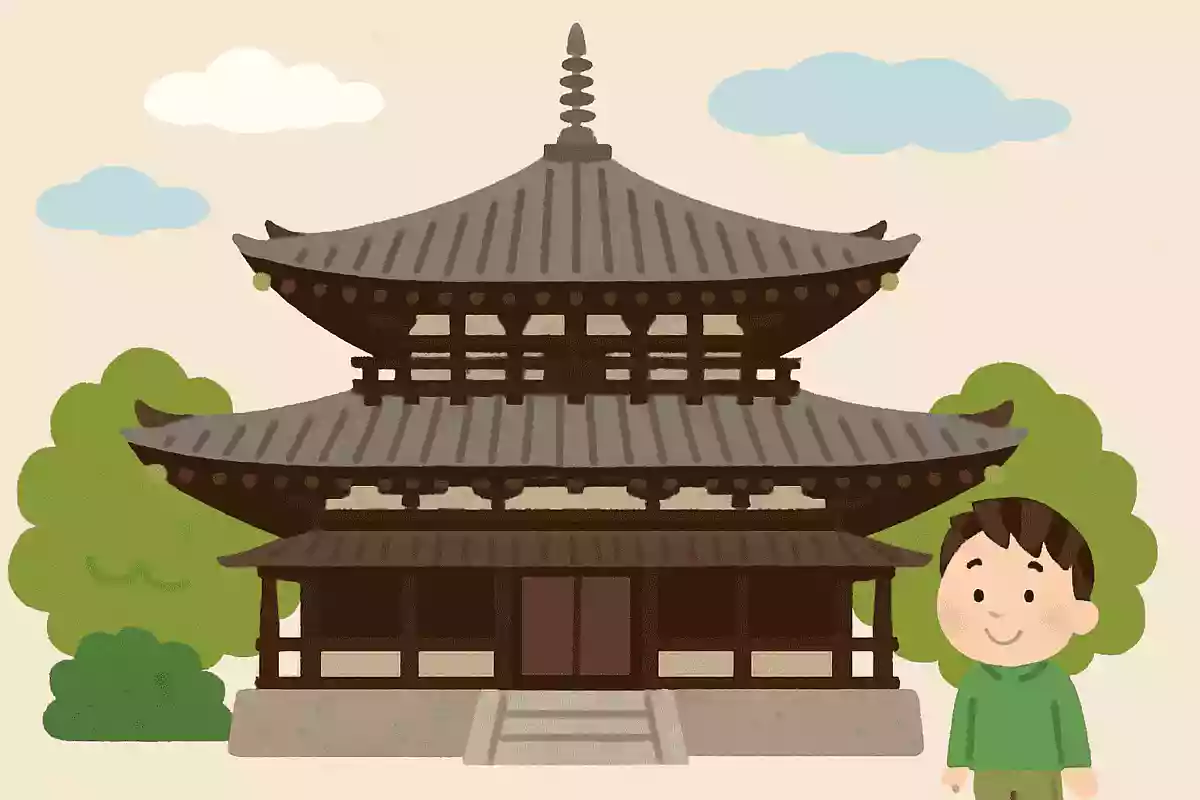
- Tōdai-ji (Todai-ji Temple)
- Toshodaiji Temple
- Ginkaku-ji (Silver Pavilion)
- Horyu-ji Temple
See the answer
Horyu-ji Temple
Horyu-ji Temple is said to have been founded in 607 by Empress Suiko and Prince Shotoku. It is the oldest wooden building in the world, and in 1993 it was registered as Japan’s first UNESCO World Cultural Heritage site. Located in today’s Ikoma District of Nara Prefecture, the temple was originally called Ikaruga-dera when it was established.
Who founded the Edo shogunate?
- Iemitsu Tokugawa
- Tokugawa Ieyasu
- Tokugawa Hidetada
- Mitsunari Ishida
See the answer
Tokugawa Ieyasu
The answer is Tokugawa Ieyasu, who led the Eastern Army at the Battle of Sekigahara and defeated Ishida Mitsunari, who led the Western Army. In 1603, he was appointed shogun and founded the Edo Shogunate. This samurai government lasted for about 260 years, until the restoration of imperial rule in 1867.
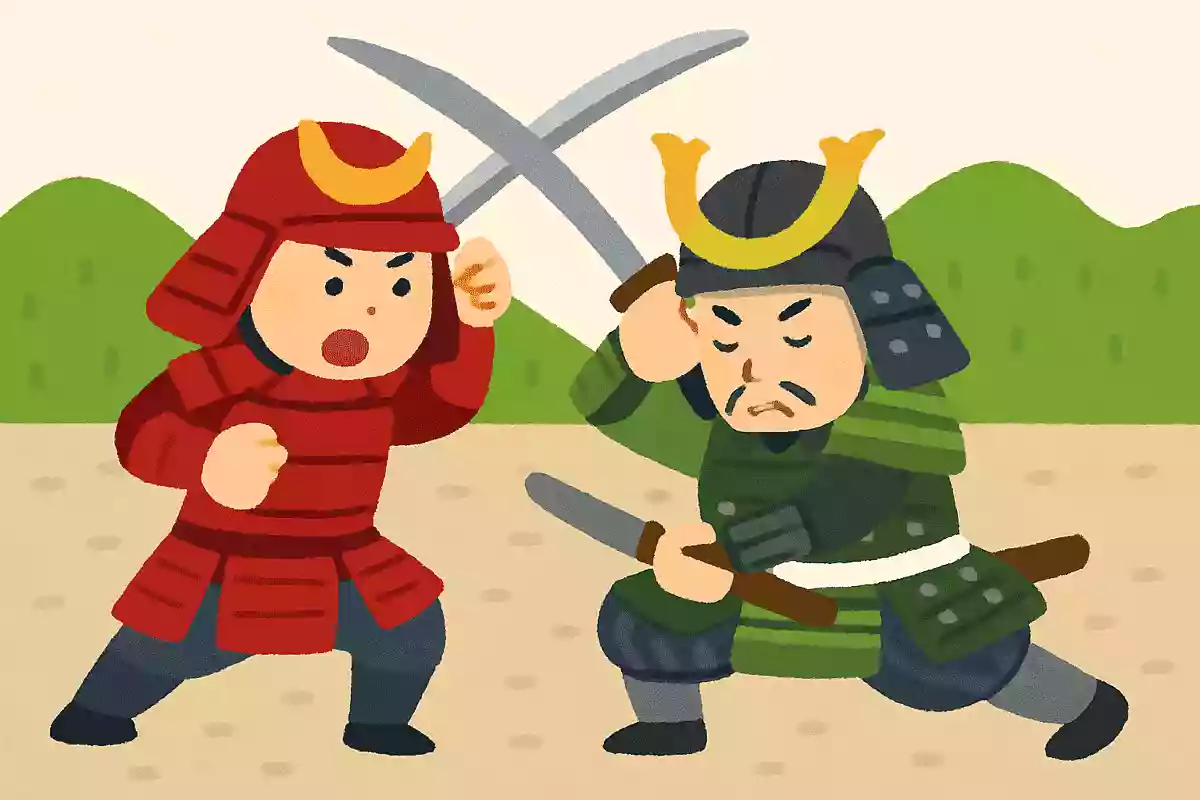
Who defeated Imagawa Yoshimoto in the Battle of Okehazama?
- Toyotomi Hideyoshi
- Mitsunari Ishida
- Oda Nobunaga
- Uesugi Kenshin
See the answer
Oda Nobunaga
The Battle of Okehazama, fought in 1560 in Owari Province between the forces of Oda Nobunaga and Imagawa Yoshimoto. Leading a massive army of 25,000, Imagawa Yoshimoto was slain by Oda Nobunaga’s troops through a combination of sudden assaults, ambushes, and frontal attacks. It is a historic battle that frequently appears in Taiga dramas and novels.
Where was the Muromachi shogunate, established by Ashikaga Takauji, located?
- Edo
- Kamakura
- Nara
- Kyoto
See the answer
Kyoto
After defeating Kusunoki Masashige at the Battle of Minatogawa, Ashikaga Takauji was appointed shogun (Seii Taishogun) in 1338 and established the Muromachi shogunate. While inheriting the policies of the Kamakura shogunate, it also pursued active diplomacy, including trade with Ming China. The shogunate reached its zenith under the third shogun, Ashikaga Yoshimitsu, and its rule continued for about 240 years.
Who founded the Kamakura shogunate?
- Emperor Kanmu
- Taira no Kiyomori
- Minamoto no Yoritomo
- Tokimasa Hōjō
See the answer
Minamoto no Yoritomo
The Kamakura shogunate was established by Minamoto no Yoritomo, who triumphed in the Battle of Dan-no-ura, the decisive clash between the Minamoto and Taira clans. Through events such as the Jōkyū Disturbance and the Mongol invasions, it expanded its authority to become a nationwide military government. After Yoritomo’s death, the Hōjō clan—led by Hōjō Tokimasa and Hōjō Yoshitoki—rose to prominence and consolidated power amid struggles with influential warrior families.
Who was sent to the Sui dynasty as an envoy (kentōshi) by appointment of Prince Shōtoku?
- Anego Ono
- Ono Imouto
- Ono no Imoko
- Ono Aneo
See the answer
Ono no Imoko
The answer was Ono no Imoko, an official of the Asuka period and a powerful clan member from Ōmi Province. According to the Nihon Shoki, a historical chronicle compiled in the Nara period, he was chosen as an ambassador during the era of Empress Suiko under the cap-rank system and was dispatched to the Sui dynasty. Although the name Ono no Imoko may lead some to think he was a woman, his gender was male.