



Even though you should have learned it in history class, when you’re actually asked, the answer just doesn’t come to you right away! Have you ever had that experience? In this article, we present multiple-choice history quizzes that elementary school students can enjoy while learning.
They cover a wide range of periods from the Jomon era to modern times, making them perfect for reviewing your lessons.
It’s also great to try them with friends or guardians! The frustration of not being able to answer can motivate you to study history more deeply and even become a chance to like history more.
Feel free to give it a try!
- [History Quiz] General History Questions You Should Know
- [For Elementary School Students] Fun and Effective Prefecture Quiz
- [Easy] Quiz for Middle School Students
- How many can you solve? Fun trivia quiz about history
- [General] Surprisingly unknown? Test your geography skills with a three-choice quiz on Japan’s prefectures
- Not taught in school! A roundup of historical trivia and fun facts
- Geography Quiz: Elementary School Study + Slightly Advantageous Geography Questions
- [Common Sense & Trivia] True-or-False Quiz with Knowledge for Elementary School Students
- [For Elementary School Students] Country Names in Kanji Quiz. A quick, fun quiz
- A quiz for elementary school students about Japan’s number ones. Guess the “most ___” things in Japan!
- [For Kids] January Trivia Quiz & Fun Facts: Learn About the New Year in a Fun Way
- [Enjoyable History Quiz] Easy multiple-choice (3 options) quiz that’s accessible for seniors!
- [Study] Fun to Know! A Collection of World History Trivia Quizzes
Let’s take on the challenge! A multiple-choice history quiz for elementary school students (four options). Review your history lessons (1–10)
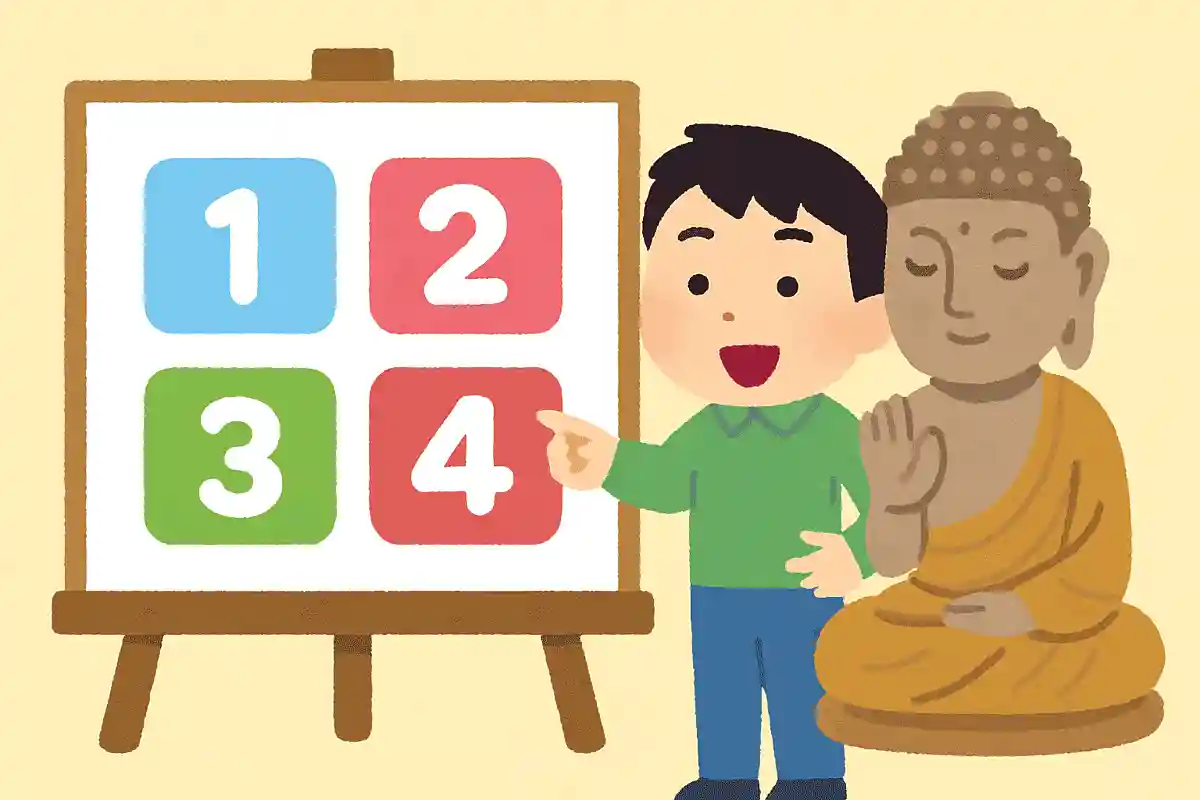
What religion was introduced to Japan in 538?
- Christianity
- Buddhism
- Confucianism
- Hinduism
See the answer
Buddhism
Buddhism was introduced to Japan in 538 by the king of Baekje to Emperor Kinmei. At that time, a gilt-bronze statue of Shakyamuni and Buddhist scriptures were sent, and figures such as Prince Shōtoku embraced Buddhism deeply and incorporated it into the nation. Many famous temples and cultural properties that still remain in Japan today—such as Hōryū-ji and the Great Buddha of Tōdai-ji—were created as a result of this transmission of Buddhism.

What is the system, initiated by Tokugawa Iemitsu in the Edo period, that required daimyo to alternate their attendance in Edo?
- alternate attendance system
- major move
- alternate attendance
- Sankin relocation
See the answer
alternate attendance system
Sankin-kōtai was a system instituted by Tokugawa Iemitsu, the third shogun of the Edo shogunate, that required feudal lords (daimyo) to travel back and forth between their own domains and Edo every other year. A key aspect of this system was that the daimyo’s wives and children were required to live in Edo permanently. Because lords had to travel with many retainers and spend large sums of money, it is said the system was intended to force daimyo to expend resources and thereby weaken their power.
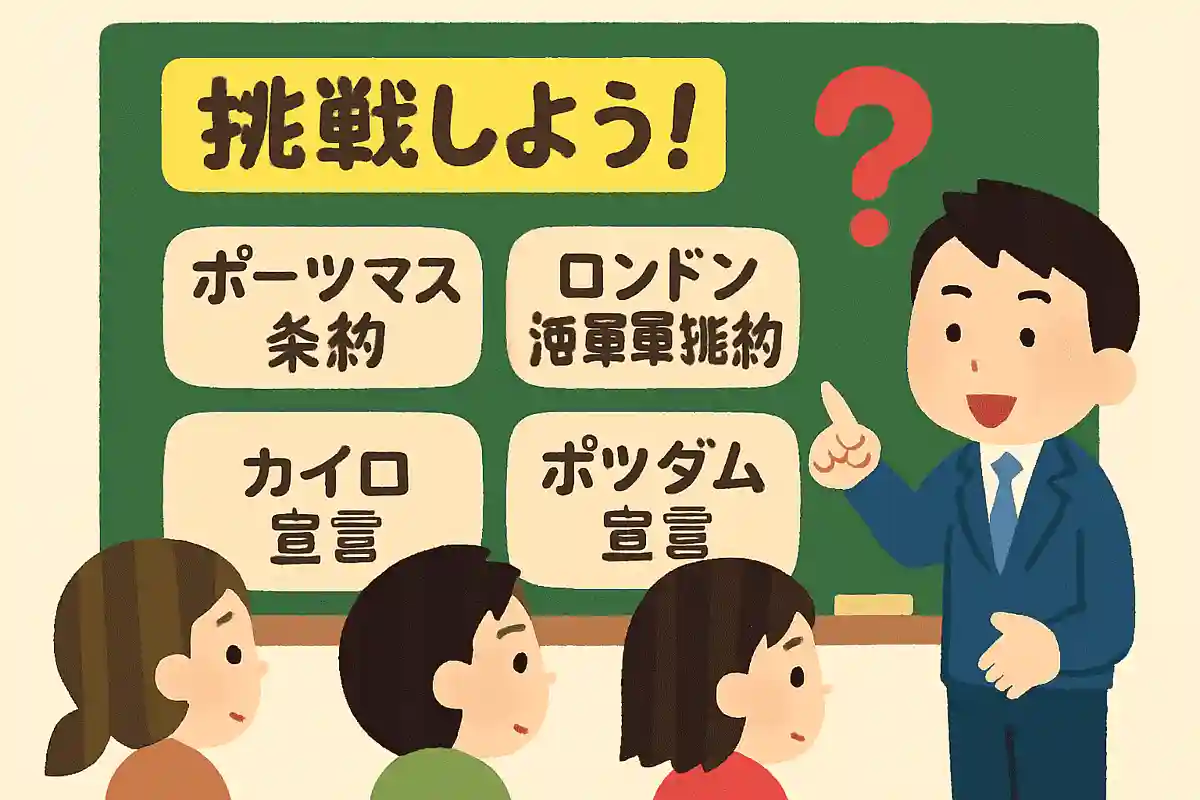
Which declaration did Japan accept at the end of World War II and the Pacific War?
- Dortmund Declaration
- Munich Declaration
- Berlin Declaration
- Potsdam Declaration
See the answer
Potsdam Declaration
The Potsdam Declaration was a statement issued in July 1945 in the name of the United States, the United Kingdom, and China, setting forth the terms to end the war for Japan. Japan’s acceptance of it brought an end to the long-running Second World War and the Pacific War. It was a historically significant declaration that served as a catalyst for Japan’s rebirth as a peaceful nation.
What are the pottery pieces placed around the ancient tomb?
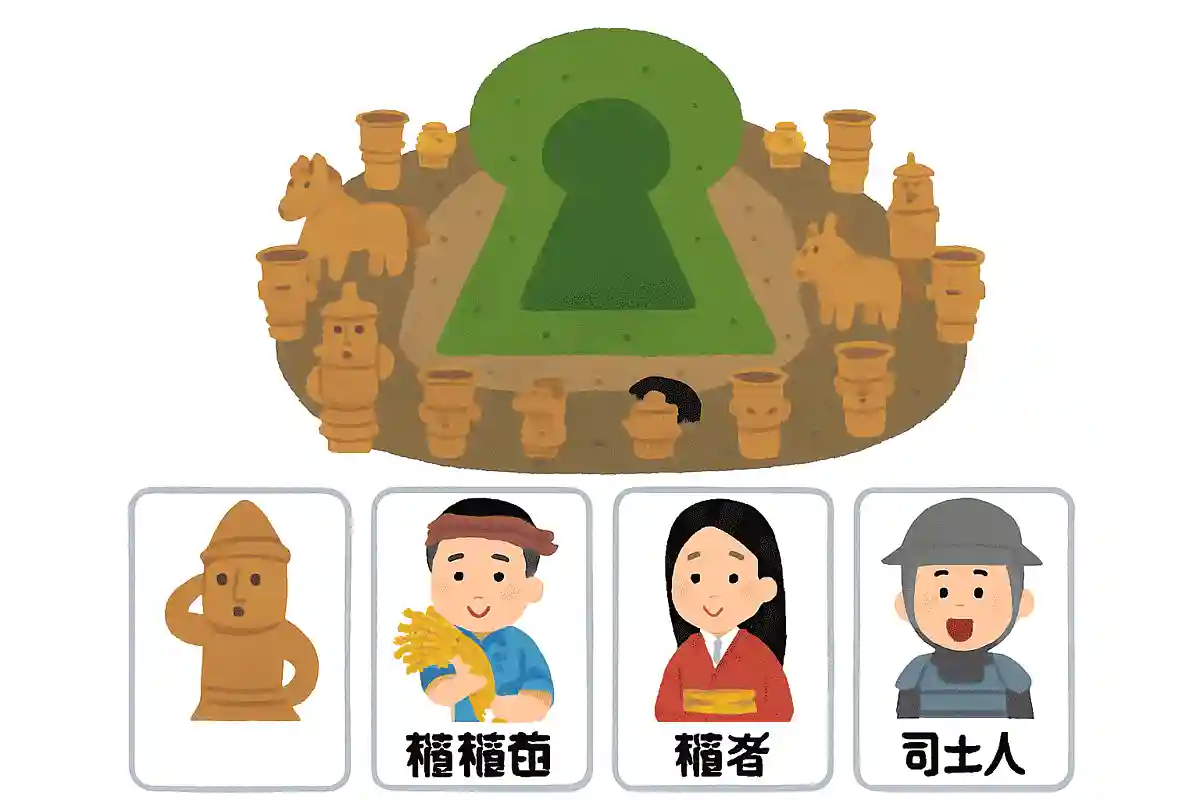
- collar
- mud dumpling
- haniwa
- dogū
See the answer
haniwa
Haniwa are unglazed terracotta objects made to be lined up on and around kofun, which are burial mounds. They come in various forms—people, animals, houses, tools—and are thought to have served to protect or placate the souls of the dead. Many faithfully depict the clothing, weapons, and everyday implements of the time, making them extremely important materials for understanding an era with few written records.
Who was Japan’s first Prime Minister?
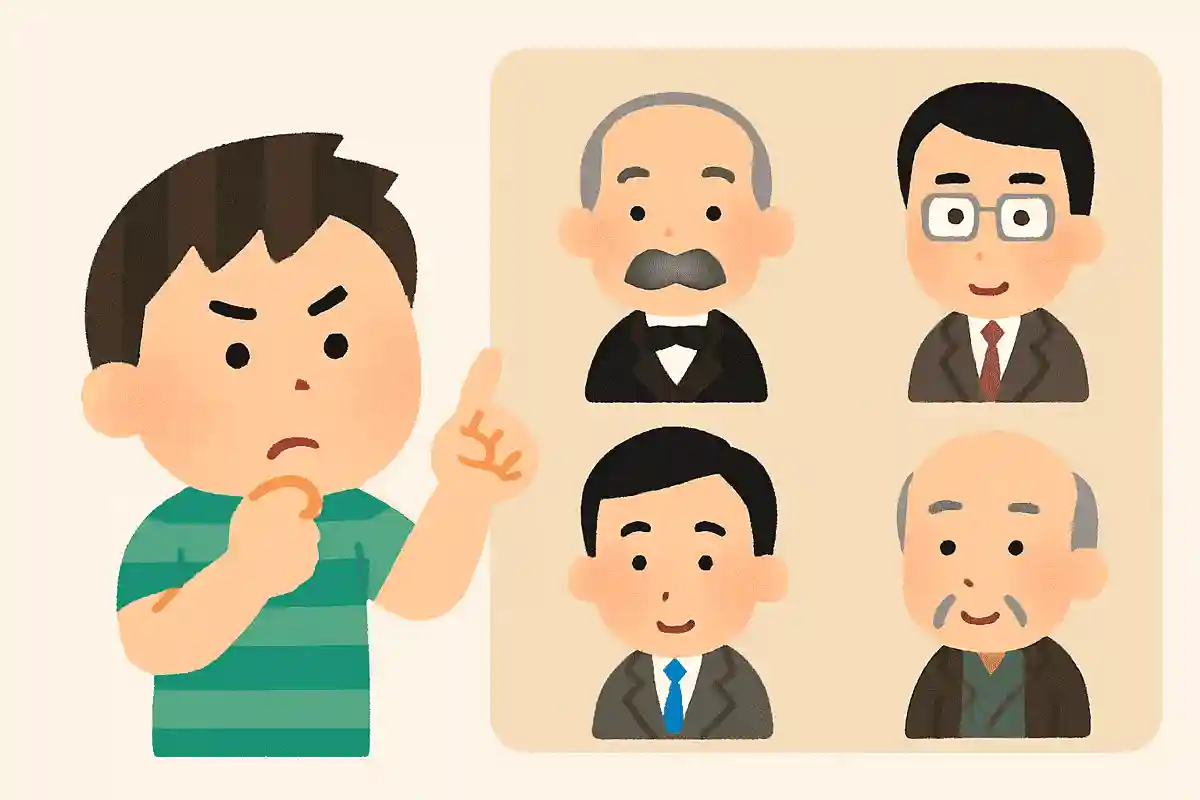
- Toshimichi Ōkubo
- Hirobumi Ito
- Iwakura Tomomi
- Kido Takayoshi
See the answer
Hirobumi Ito
Hirobumi Ito became Japan’s first Prime Minister in 1885. He was from the Choshu Domain, in what is now Yamaguchi Prefecture, and in his youth he studied abroad in Britain, where he learned about advanced Western politics and culture. Drawing on that experience, he played a central role in drafting Japan’s first constitution, the Meiji Constitution, and was a key figure in Japan’s development into a modern nation.
Which country’s constitution was used as a model for the Constitution of the Empire of Japan?
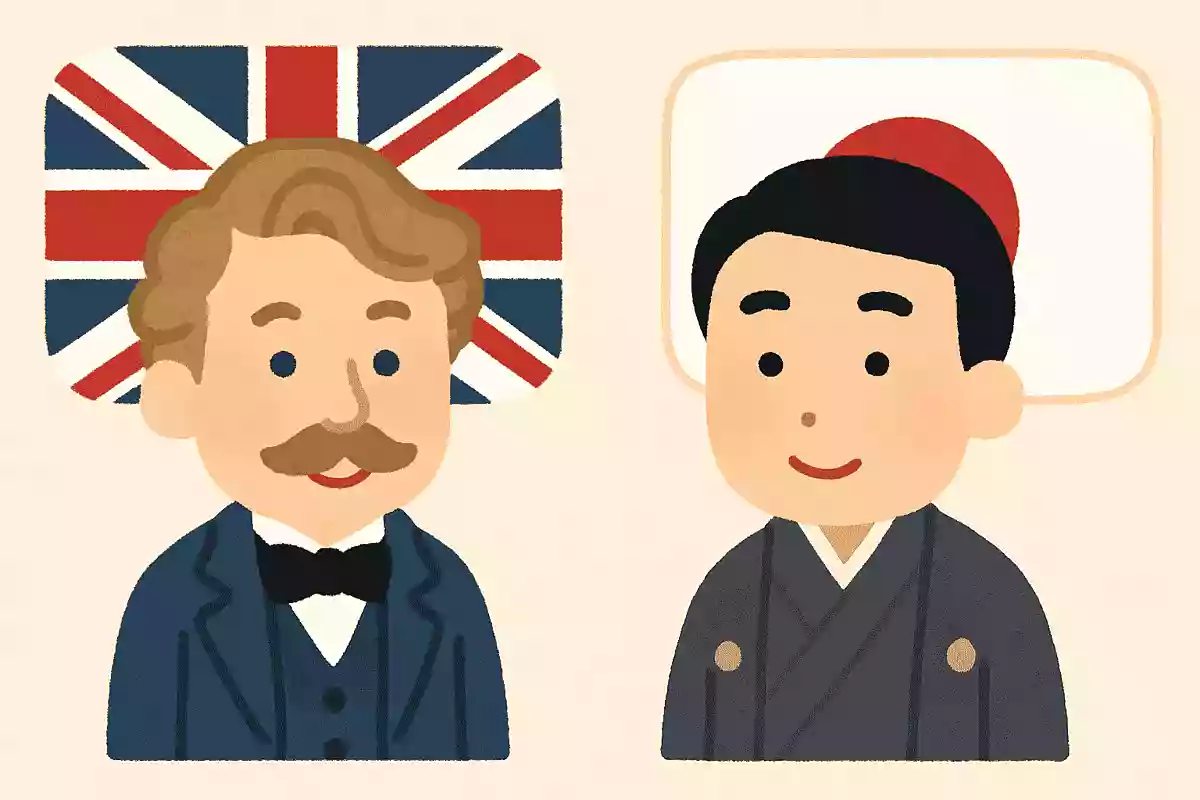
- United Kingdom
- France
- America
- Germany
See the answer
Germany
The Japanese constitution promulgated in 1889 and enforced in 1890. It was drafted with reference to the German constitution of the time, in which the monarch held strong powers. Under it, the Emperor possessed sovereign authority as the head of state, and citizens were granted freedoms—such as residence and movement, speech, assembly, and association—so long as they were within the bounds of the law.

What is the term for the Edo shogunate’s prohibition of trade with foreign countries?
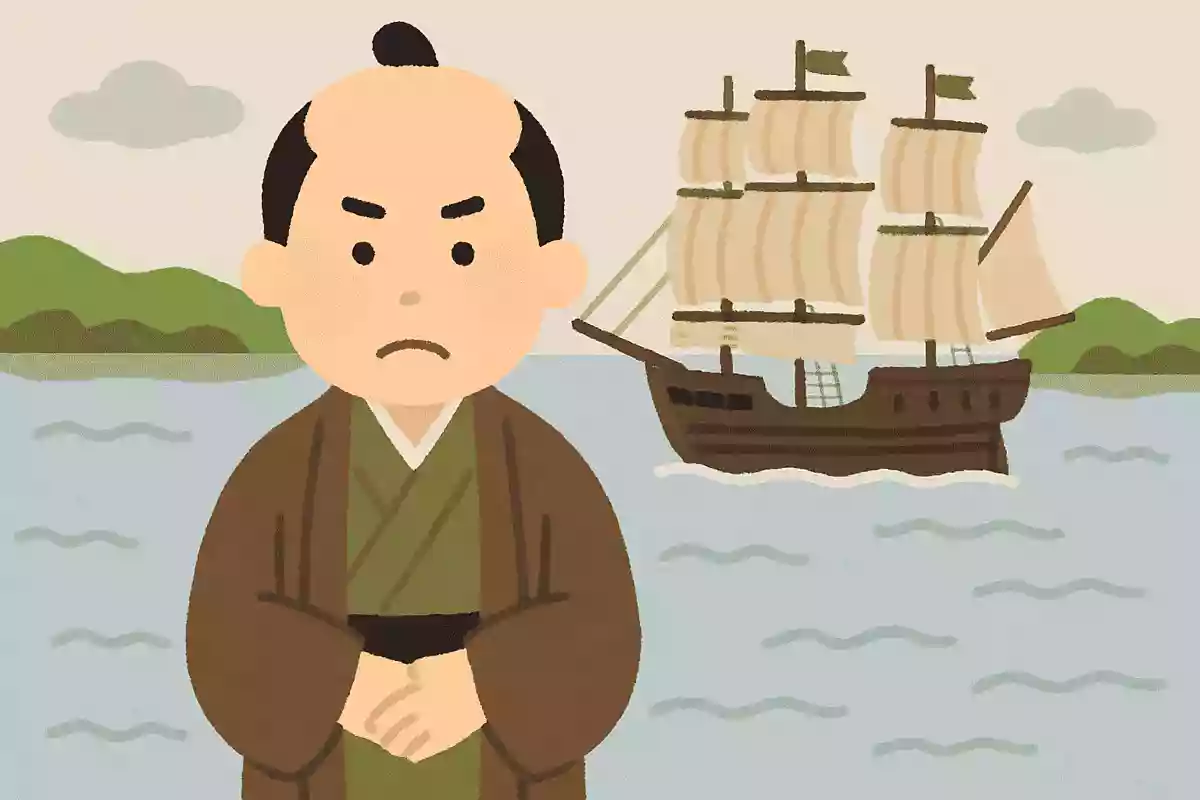
- Stop Country
- national isolation
- Frontier fortress nation
- national isolation policy (Sakoku)
See the answer
national isolation policy (Sakoku)
The restrictions on foreign ships’ ports of call and controls over trade implemented by the Edo shogunate to enforce its rule over Japan are known as sakoku (national seclusion). In the global context of the time, policies limiting interaction and trade with foreign countries were also adopted by other Northeast Asian states. The period up to the 1854 signing of the Treaty of Peace and Amity between the United States and Japan is referred to as the era of sakoku.
Who came to Japan in 1549 and spread Christianity?
- Vasco da Gama
- Francis Xavier
- John Kendrick
- Marco Polo
See the answer
Francis Xavier
Francis Xavier is said to have been the first to introduce Christianity to Japan. He was a missionary born in the Kingdom of Navarre in Spain and one of the founding members of the Society of Jesus. In addition to Christianity, the things he brought to Japan in Kagoshima include firearms and elements of European culture.
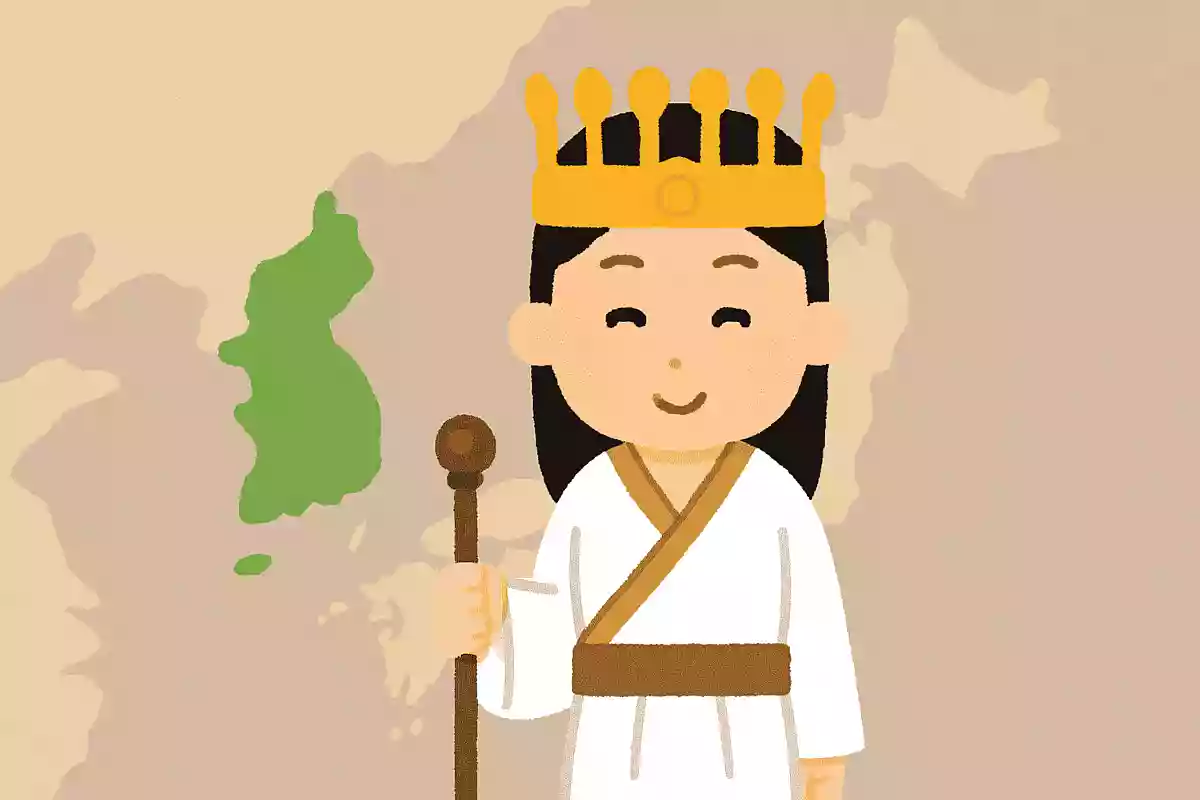
What is the name of the country said to have been ruled by Himiko around the 3rd century?
- Hitachi Province
- Owari Province
- Na (Na no Kuni)
- Yamataikoku
See the answer
Yamataikoku
One of the countries said to have existed around the 2nd to 3rd centuries. Yamatai, ruled by Queen Himiko, is considered to have been the capital of the Wa confederation. It is mentioned in the Chinese historical text Records of the Three Kingdoms (Wei Zhi’s Account of the Wa People), and debate continues over which region of the Japanese archipelago it was located in.
What is it called when Western culture was introduced in the Meiji era and Japan was modernized?
- Cultural Revolution
- high growth
- Western-derived
- civilization and enlightenment
See the answer
civilization and enlightenment
With the end of the isolation policy practiced during the Edo period and the arrival of Perry, Japan concluded the Treaty of Peace and Amity with the United States. The influx of Western culture in the early Meiji era is known as the Civilization and Enlightenment. Various Western artifacts—such as Western clothing, silk hats, and Western cuisine—were adopted.