

Let’s take on the challenge! A multiple-choice history quiz for elementary school students. Review your history lessons.


Even though you should have learned it in history class, when you’re actually asked, the answer just doesn’t come to you right away! Have you ever had that experience? In this article, we present multiple-choice history quizzes that elementary school students can enjoy while learning.
They cover a wide range of periods from the Jomon era to modern times, making them perfect for reviewing your lessons.
It’s also great to try them with friends or guardians! The frustration of not being able to answer can motivate you to study history more deeply and even become a chance to like history more.
Feel free to give it a try!
- [History Quiz] General History Questions You Should Know
- [For Elementary School Students] Fun and Effective Prefecture Quiz
- [Easy] Quiz for Middle School Students
- How many can you solve? Fascinating history trivia quizzes that spark intellectual curiosity
- [General] Surprisingly unknown? Test your geography skills with a three-choice quiz on Japan’s prefectures
- Not taught in school! A roundup of historical trivia and fun facts
- Geography Quiz: Elementary School Study + Slightly Advantageous Geography Questions
- [Common Sense & Trivia] True-or-False Quiz with Knowledge for Elementary School Students
- [For Elementary School Students] Country Names in Kanji Quiz. A quick, fun quiz
- A quiz for elementary school students about Japan’s number ones. Guess the “most ___” things in Japan!
- [For Kids] January Trivia Quiz & Fun Facts: Learn About the New Year in a Fun Way
- [Enjoyable History Quiz] Easy multiple-choice (3 options) quiz that’s accessible for seniors!
- [Study] Fun to Know! A Collection of World History Trivia Quizzes
Let’s take on the challenge! A multiple-choice history quiz for elementary school students. Review your history class (21–30)
Who wrote The Pillow Book?
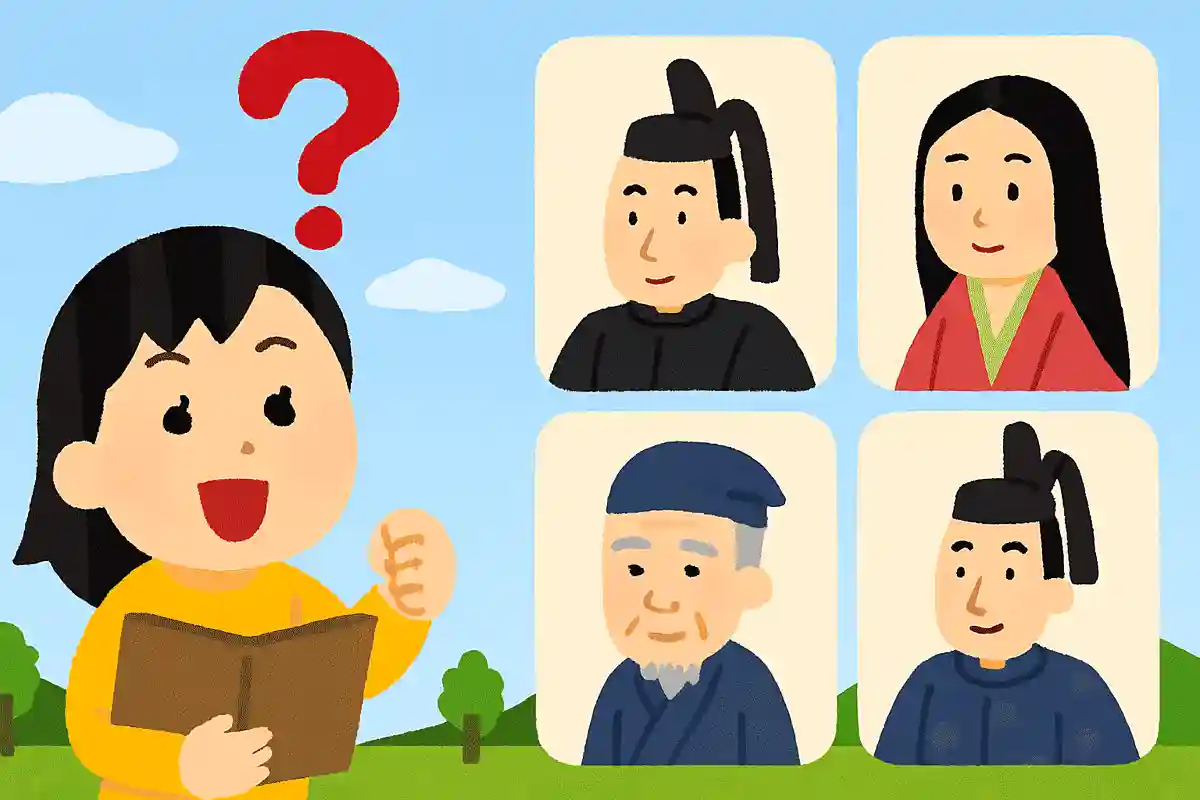
- Ki no Tsurayuki
- Yoshida Kenkō
- Sei Shōnagon
- Murasaki Shikibu
See the answer
Sei Shōnagon
Sei Shōnagon was a woman active in the mid-Heian period who served Teishi, the empress consort of Emperor Ichijō. The Pillow Book is said to be the oldest essay collection in Japan, and it records, with her keen sensibility, the beauty of the seasons in nature, scenes of life at court, and things that captivate the heart.

Which organization in the Edo period maintained public order and cracked down on those who opposed the shogunate?
- government forces
- Satsuma Domain
- Byakkotai (White Tiger Corps)
- Shinsengumi
See the answer
Shinsengumi
The Shinsengumi was an organization that operated mainly in Kyoto at the end of the Edo period to maintain public order. It is known for its trademark flag bearing the character for “sincerity” (makoto) and its light blue haori coats with zigzag patterns. Under leaders such as Commander Kondō Isami and Vice-Commander Hijikata Toshizō, they established strict rules and rigorously cracked down on movements aiming to overthrow the shogunate. Their unwavering loyalty to the shogunate until the very end left a strong impression, and they continue to be depicted in many stories today.
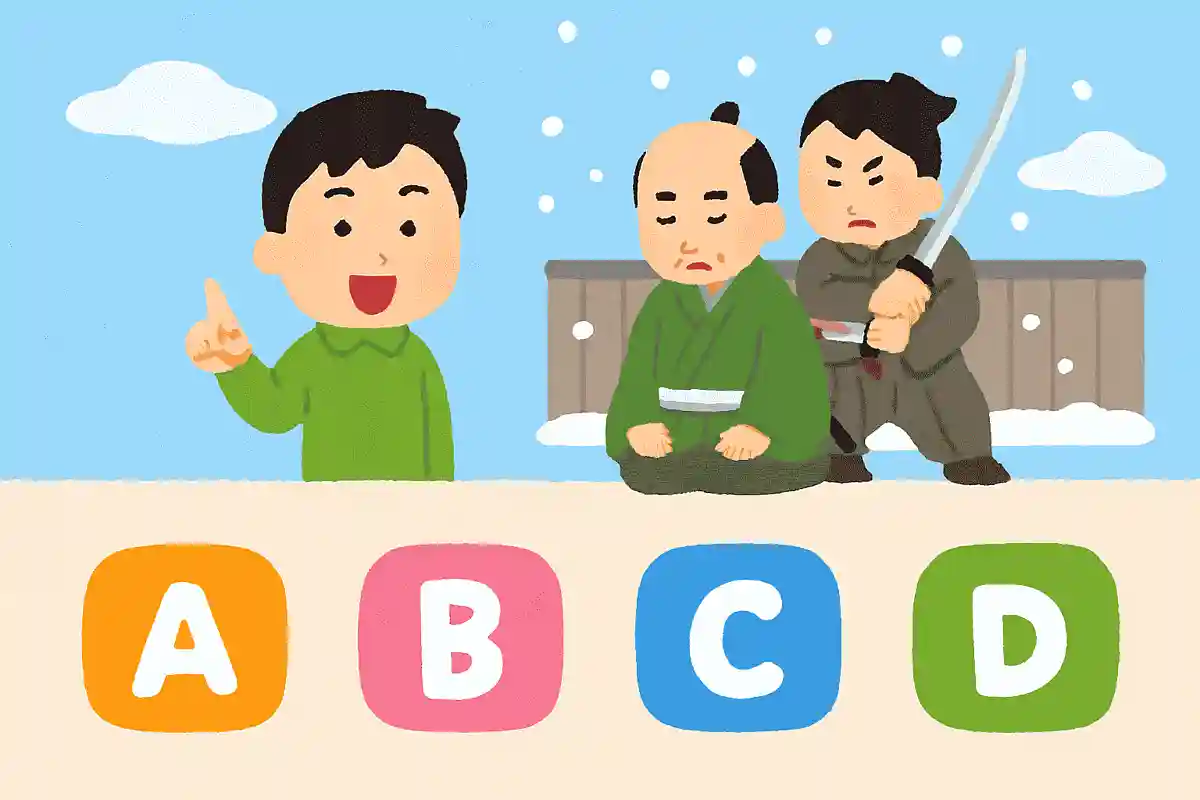
What “Incident” was the assassination of Tairō Ii Naosuke in the Edo period called?
- Incident Outside the Kikuya Gate
- The Incident Outside the Aoidamon Gate
- Sakuradamon Incident
- The Incident Outside the Umeda Gate
See the answer
Sakuradamon Incident
This is the incident in which rōnin from the Mito and Satsuma domains lay in wait and attacked Ii Naosuke, who was the shogunate’s Tairō, outside Sakuradamon at Edo Castle. It is said that the incident arose because Ii had aroused strong resentment by opening the country—concluding the Treaty of Amity and Commerce with the United States without the imperial court’s approval—and by carrying out the Ansei Purge, in which he severely punished those who opposed him. As a result of this incident, the shogunate’s authority was greatly shaken, and the flow of the times toward the Meiji Restoration became decisive.
What was the common name of the organization established to govern Japan after the end of the war?
- DHC
- GHQ
- CEO
- GHP
See the answer
GHQ
GHQ was the General Headquarters of the Supreme Commander for the Allied Powers, an organization established after the war ended in 1945 to occupy and administer Japan. Under the direction of MacArthur, who served as the supreme commander, it implemented a variety of sweeping reforms—such as drafting a new constitution and carrying out land reforms—to transform Japan’s social systems so that the country would become a democratic nation that would never wage war again.
What was the policy implemented by Toyotomi Hideyoshi to confiscate weapons?
- Sword Hunt
- weapon confiscation
- Sword-taking
- Weapon seizure
See the answer
Sword Hunt
While pursuing the unification of the realm, Toyotomi Hideyoshi issued an order to confiscate weapons such as swords and bows from peasants. A major objective of this policy was to prevent peasant uprisings and to promote the separation of soldiers and farmers by having peasants devote themselves to agriculture. It was explained that the confiscated weapons would be repurposed as nails and clamps for constructing the Great Buddha Hall in Kyoto, and people were told that this was to create a more peaceful society from then on.
Which other country, besides Germany, formed an alliance with Japan during World War II?
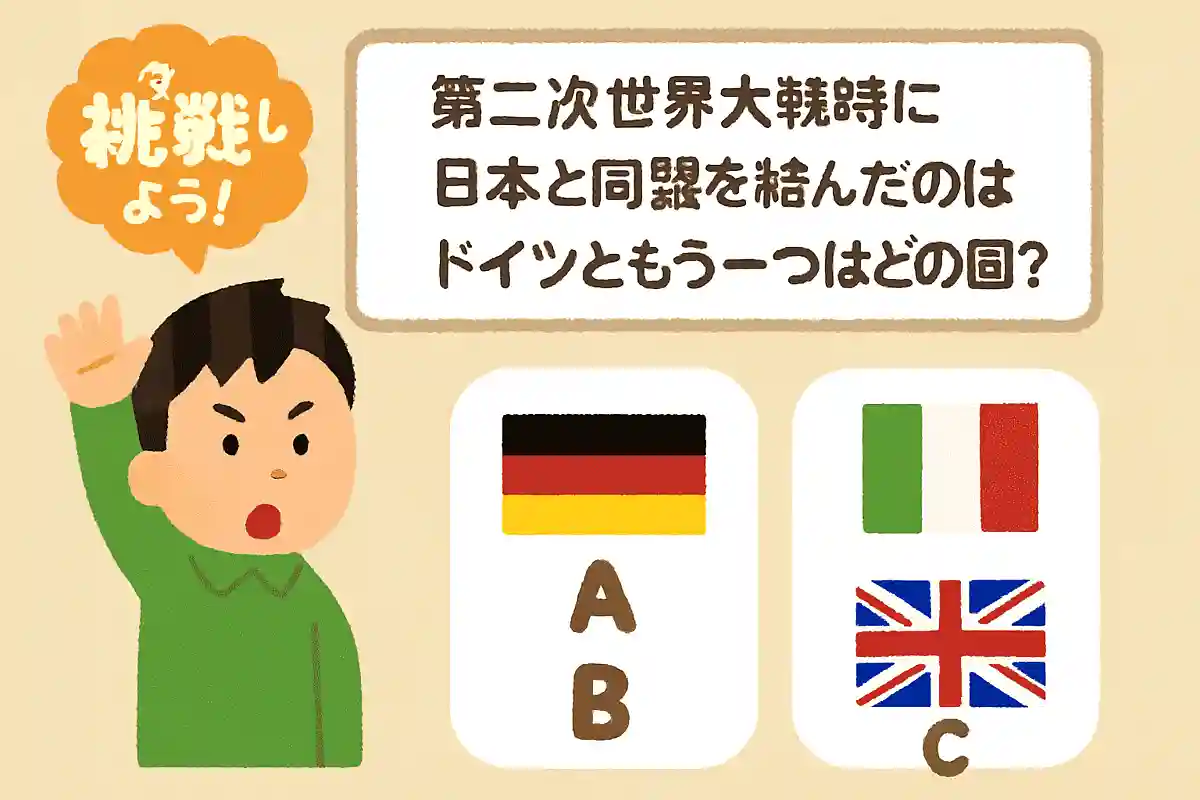
- Italy
- United Kingdom
- India
- Indonesia
See the answer
Italy
Japan, Germany, and Italy made an agreement called the Tripartite Pact in 1940. This was an alliance stating that if any of them were attacked by another country, the three would help each other and fight together. These three countries were called the Axis Powers and fought cooperatively in World War II.
What did Oda Nobunaga call Toyotomi Hideyoshi?
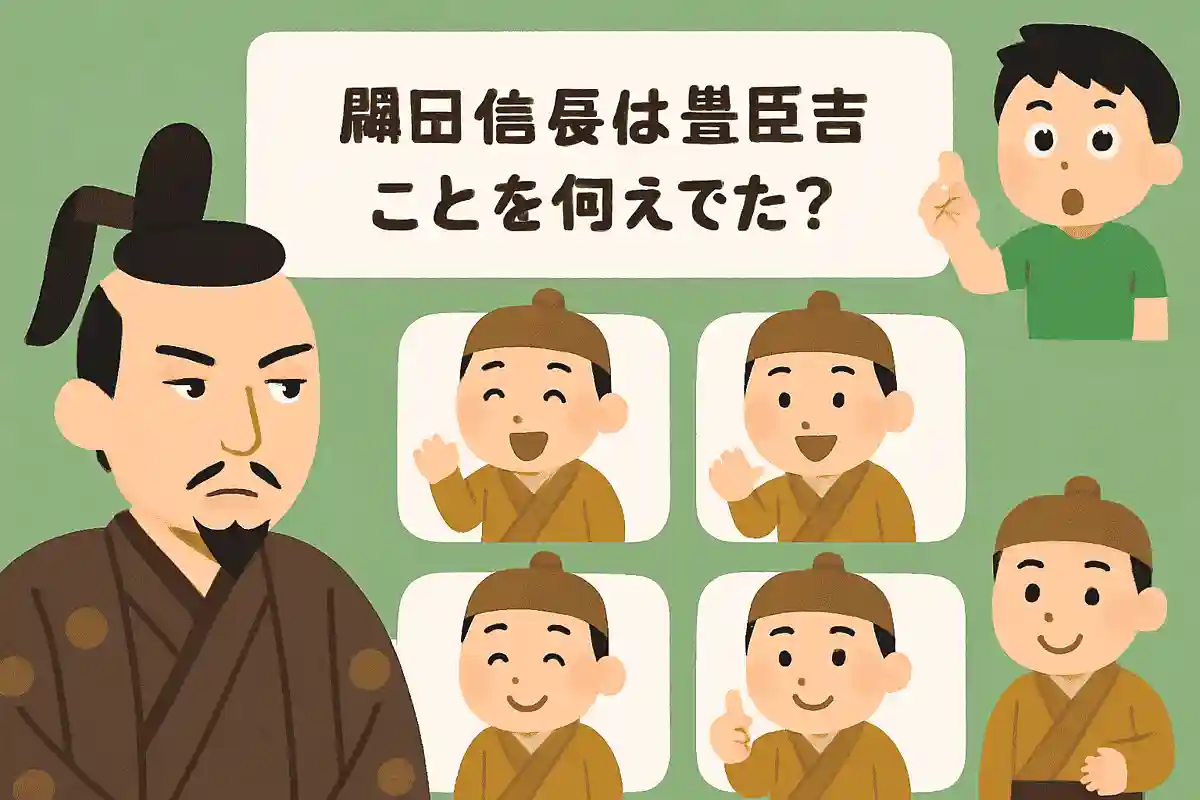
- dog
- cat
- Monkey
- pheasant
See the answer
Monkey
The story that Oda Nobunaga called Toyotomi Hideyoshi “monkey” is very famous. It’s also known that in a letter Nobunaga sent to Hideyoshi’s wife, he referred to Hideyoshi as a “bald rat.” It’s said he gave him these nicknames because his appearance and movements resembled those animals, but it may also suggest that to Nobunaga, Hideyoshi was a familiar and dependable retainer.