

Four-character idioms that help elementary schoolers not give up: words that spark the power to keep trying

To children who strive with a spirit of never giving up, we want to convey important messages through four-character idioms.
Many teachers and parents may feel the same way.
In this article, we introduce four-character idioms that are easy for elementary school students to understand and perfect for fostering motivation and a positive mindset.
These expressions can be used in a variety of situations—daily life, study, club activities, and more—so please find the words that will resonate with elementary school children according to their environment!
- Easy for elementary school students to remember! A four-character idiom that expresses the feeling of trying your best
- Easy-to-remember, positive four-character idioms for elementary school kids! Words that brighten the heart
- Strive toward your goals! Four-character idiom ideas that resonate with elementary school students
- [For Elementary School Students] Four-character idioms you can use in sports! Words that are helpful for cheering and goal setting
- Learn the meanings too! Cool four-character idioms that elementary school students will want to remember
- Recommended for elementary school class goals! A collection of impactful ideas using four-character idioms
- Four-character idioms that express an indomitable spirit! Words to know when facing difficulties
- Perfect for elementary school slogans! A collection of four-character idiom ideas you'll want to use
- [For Elementary School Students] Inspiring Four-Character Idioms for Shaping the Future at a Glance! Words that Spark Courage
- For Elementary School Students: Four-Character Idioms You Can Use for New Year’s Resolutions — How to Set Cool Goals!
- [Elementary School Students] Perfect for Kakizome! A Collection of Four-Character Idiom Ideas
- Popular even among elementary school students! Stylish and easy-to-remember four-character idioms
- Interesting four-character idioms for elementary schoolers! Words you'll want to use once you understand their meanings
Four-character idioms that support elementary schoolers’ hearts and never give up! Words that spark the power to try hard (1–10)
indomitable; unyielding
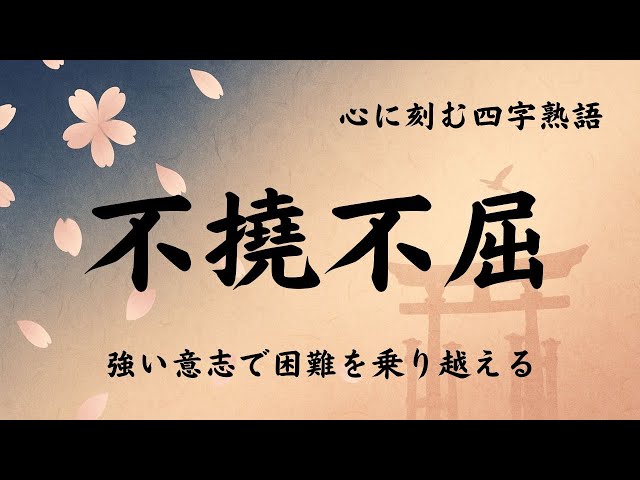
It looks like a difficult kanji compound, but it’s read as “futō fukutsu.” It means to persevere without slackening and without being discouraged.
When you devote yourself earnestly to your goals day by day, there will be moments when you feel like your spirit might break.
But this four-character idiom reminds us that even then, it’s important to keep challenging ourselves, even if we’re not perfect.
If you continue without bending the resolve or conviction behind your “I’ll do my best” and “I’ll see it through,” you’ll surely meet a version of yourself who has grown one step further.
Actions speak louder than words.
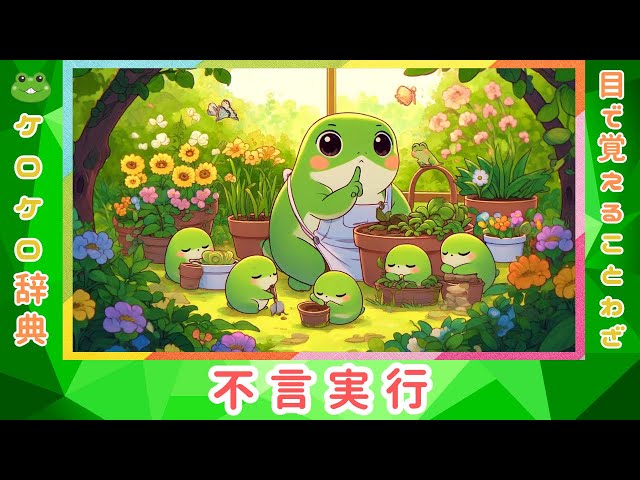
Many people have heard of “say and do” (yūgen jikkō), but there is also the four-character idiom “fugen jikkō,” read as fugen jikkō.
Literally, it refers to pressing forward toward a goal and doing what needs to be done without saying this and that.
“Fugen” means not putting things into words or not voicing complaints and grievances.
“Jikkō” means to carry something out.
There are times when you might want to voice complaints or dissatisfaction, but this expression is good to use when you want to praise children who hold back and keep striving toward their goals.
Stay true to your original intention.
Pronounced “shoshikantetsu,” it means seeing through what you start to the very end.
“Shoshi” refers to the initial intention or resolve you have when you begin something, and “kantetsu” means to carry it out without giving up until the end.
Combined, they form a wonderful four-character idiom.
It’s one of those phrases you want to remember at milestones like a new school term or any fresh start.
Even if you fail and feel discouraged, what matters is the determination to see it through to the end.
Four-character idioms that support elementary schoolers’ hearts and never give up! Words that spark the power to try hard (11–20)
A sudden resolve; making a firm decision (to start afresh).

Try using this when you’re switching gears.
It’s one of the more common four-character idioms.
It’s read “ichinen hokki,” and it refers to making up your mind to accomplish something or reach a goal.
Everything has a beginning, and when you set a goal, you naturally get fired up.
You can use it for things like lessons, studying, or joining a new community.
In particular, when a child discovers a goal like “I want to grow!” or “I want to take on a challenge!” it’s good to say this as a way to cheer them on.
Fall down seven times, get up eight.
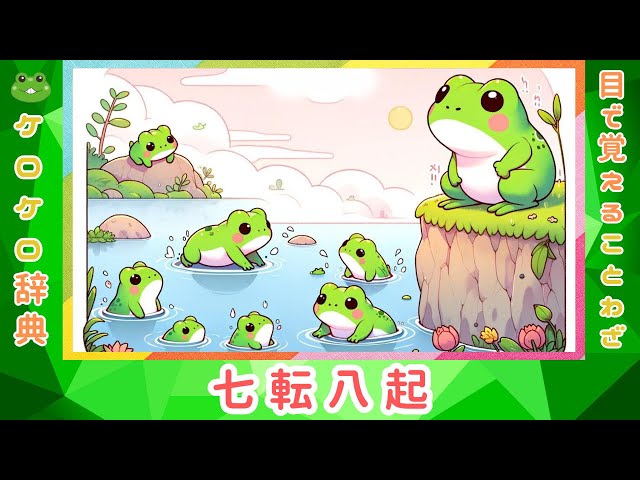
It’s read as “shichiten hasshiki” or “nanakorobi yaoki.” From the idea of falling seven times and getting up eight, it refers to persevering without giving up.
It’s a four-character idiom worth remembering not only for sports and study, but also for lessons and first-time challenges.
You can use it not just for yourself but also to cheer on and encourage friends and family.
It’s one of those idioms you’ll want to share when a child is feeling down or is trying to learn from a failure.
firm and decisive
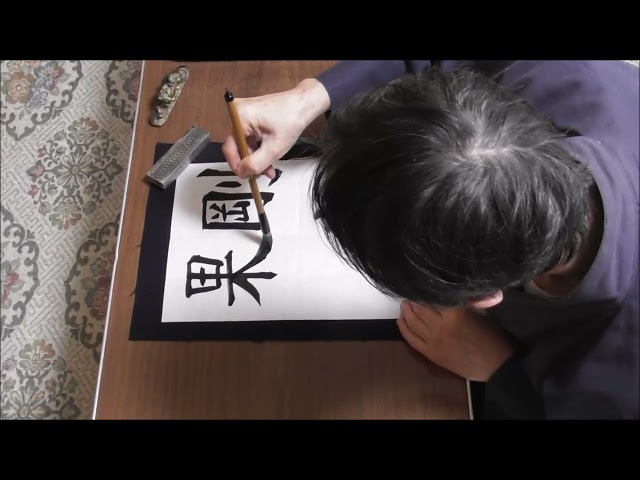
Pronounced “gōkikadan,” this four-character idiom refers to having a strong, firm will, abundant spirit, and the decisiveness to take bold action.
Some children may hesitate and struggle to take the first step.
This idiom carries a message you might want to share with a child at such times.
If you send the message together with words that remind them they have supportive friends and family by their side, the sentiment may come across more clearly.
It’s one of those four-character idioms that helps nurture a strong heart as you watch over a child’s efforts and daily growth.
The achievement attained through diligent study by lamplight—success won by hard, persistent effort
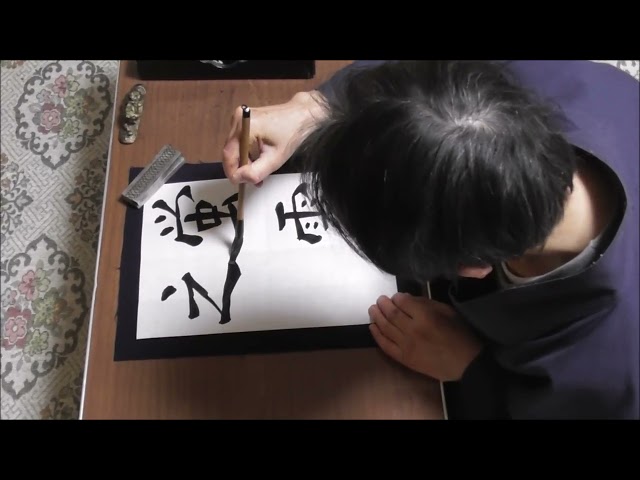
A four-character idiom derived from a Chinese classical anecdote.
It’s read as “keisetsu no kō,” and it carries the meaning that if you keep persevering and working hard, success awaits you in the end.
While you’re in the midst of making an effort, there are times when even you don’t notice your small steps of growth.
It’s an idiom with a message you’d want to convey when someone is struggling and on the verge of losing heart.
As you steadily work toward your goal, there will be moments when you feel like leaning on someone.
These are words that gently wrap around your feelings at such times.